
Share this @internewscast.com
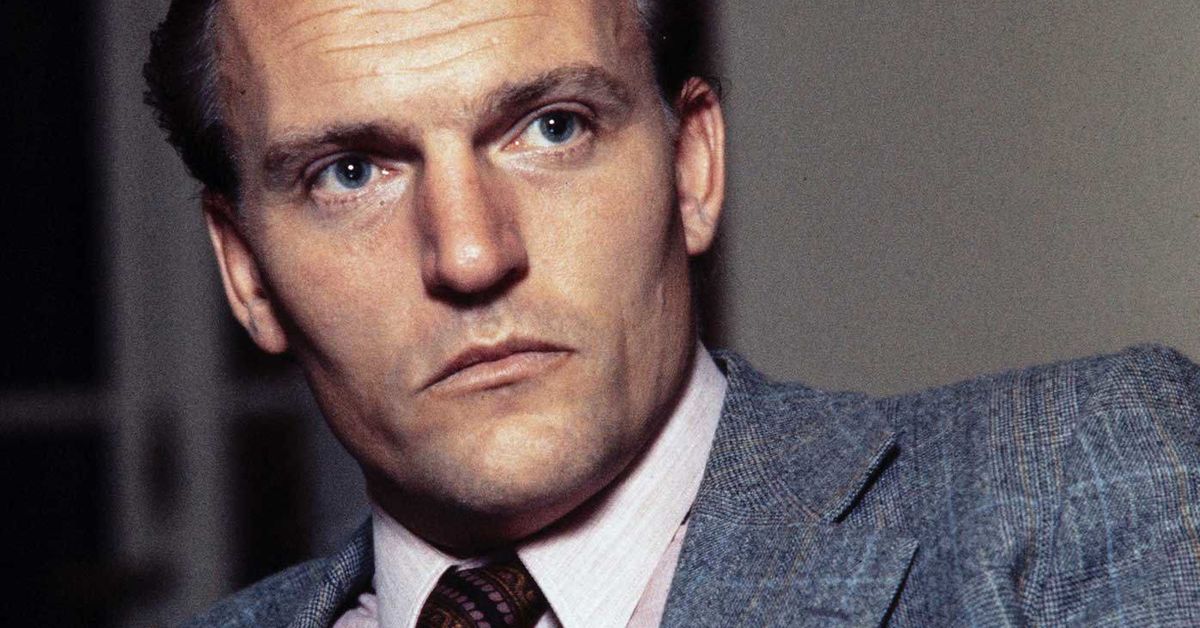
Baron Edouard-Jean Empain’s Peugeot was halted by a group of armed assailants who orchestrated a fake moped accident as a diversion.
The following day, a guerrilla group known as the Armed Core Groups for Popular Autonomy took to the airwaves, claiming responsibility for the abduction.
However, law enforcement was quick to dismiss their claim as false.
On that same day, the actual kidnappers reached out to Empain’s family, directing them to a locker at a bustling train station.
Within the locker, they discovered Empain’s identity card, a ransom note for 80 million francs, and a severed pinkie finger.
The ransom note ominously warned that more of the businessman’s body parts would be sent if their demands were not met.
Police instructed the family not to pay the enormous sum of money.
Meanwhile, officers tipped off the media to reports of the baron’s infidelities and gambling debts.
The prevailing theory spreading throughout France was that Empain had kidnapped himself to pay back his poker losses.
After two months with no ransom, the kidnappers halved their demands.

A rendezvous between the kidnappers and what turned out to be an undercover policeman posing as the Baron’s aide turned bloody.
Two officers were injured and one kidnapper was killed, while another was arrested.
Two days later, Empain was abandoned on a street on the south side of Paris with a ten-franc note to get home.
He had been kept in relative darkness for two months and had not been able to walk in that time.
Empain managed to call his wife to let her know he had been released.
He arrived home to a cold shoulder, with his wife only saying: “I knew you were going out that evening.”

It didn’t take long for him to get divorced, saying that he preferred the prison of his captivity to the prison of his marriage.
“I expected to be welcomed differently. Instead of friendship and love, they immediately spoke to me, without waiting for me to recover, about a number of facts from my private life,” he said later.
The only people who had thought more positively of Empain following the ordeal were his kidnappers.
Kidnapper Alain Caillol later remarked the group had experienced “Stockholm syndrome in reverse”.
“He dominated us morally,” Caillol said.
“Everyone saw in him the dream of what he wanted to be: handsome, rich, powerful, intelligent.”
Empain would forgive his kidnappers for their crime, but not the police.