
Share this @internewscast.com
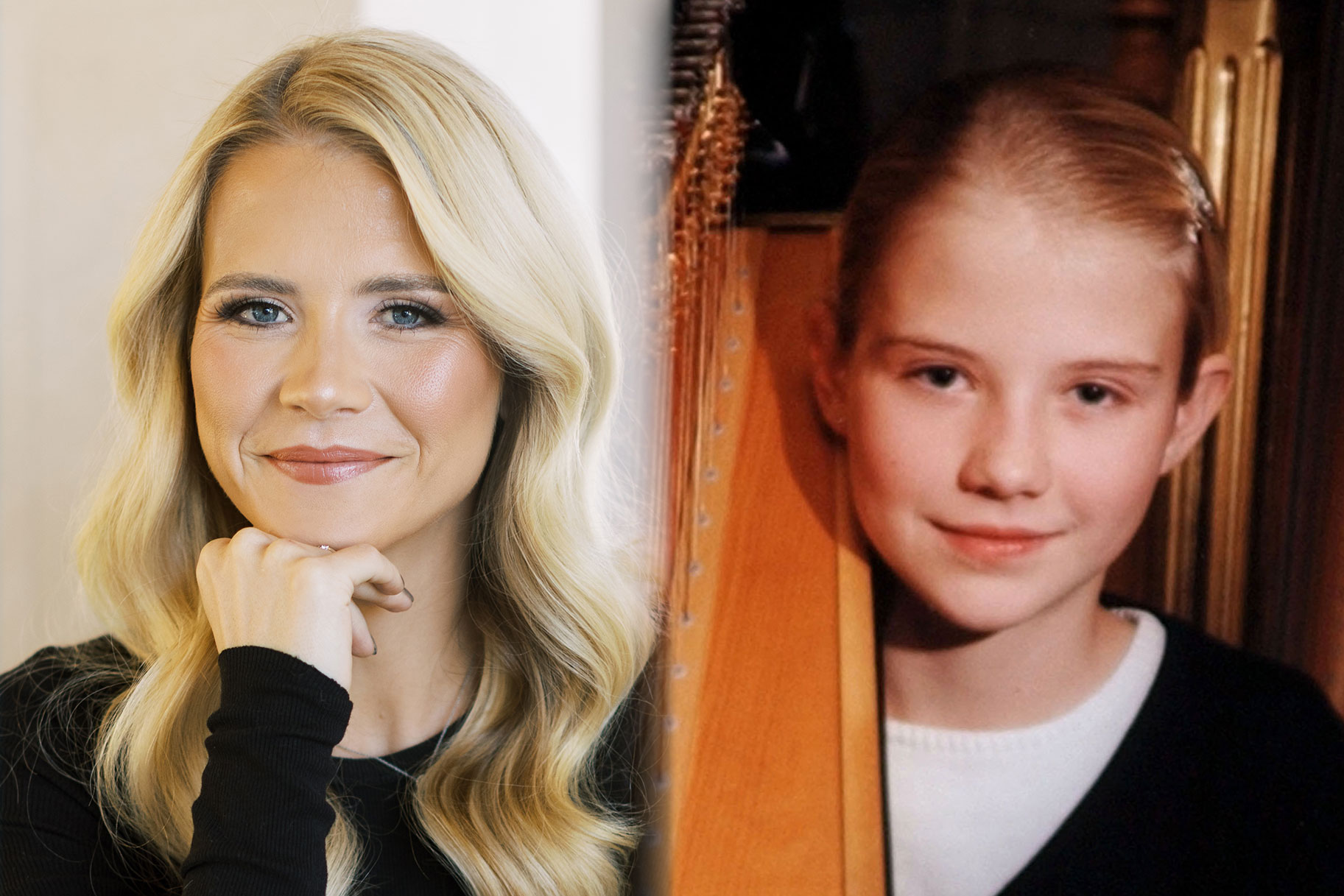
Elizabeth Smart’s life took an unexpected turn after her abduction in 2002, altering the path she envisioned for herself.
“I imagined a straightforward journey ahead of me,” she recounted, reflecting on her experience as a survivor and advocate.
What significantly aided her recovery was reconnecting with her family, resuming her daily routine, horseback riding at her grandfather’s ranch, and playing the harp.
“Music transcends language barriers and helps convey emotions that words often fail to express,” Smart explained. “It was a crucial part of my healing process.”
How Elizabeth Smart became an activist and advocate
She also emphasized the importance of embracing new experiences, noting, “[I focused on] creating more memories so I could reflect on more than just my kidnapping.”
Smart transformed her personal ordeal into a mission to support others affected by child abduction and abuse. In 2011, she launched the Elizabeth Smart Foundation, dedicated to “driving social change in the fight against sexual violence,” as outlined in its mission.
“I feel like many of us are developing more compassion, more patience,” she said. “It’s becoming something that is talked about more, which I think is a major victory, because there has been so much shame and embarrassment attached to it in the past. The more we talk about, I think the more it allows people to heal.”
Smart hopes that in the future, it becomes an even bigger conversation.
“The national average of people who are sexually abused is about one in five,” she said. “In my home state of Utah, it’s about one in three––and these are cases that are reported. I actually think it is much higher than that. So, let’s put this in perspective. Let’s talk about sexual violence. Let’s talk about what your options are. Let’s create a world where we support our survivors.”
How Elizabeth Smart embraced resilience during and after her abduction
In Detours, Smart wrote, “There was nothing good about my trauma … The only good of my situation was the good that came from inside of me — from the things I learned about myself while in captivity and the choices I made after my rescue.”
“What Mitchell and Barzee did to me was terrible,” she added, “and in all that terrible I found that I was more resilient than I ever could have imagined.”
While speaking to Oxygen, Smart spoke about resilience, reflecting on how her past self might have seen things.
“If you had told me what was going to happen to me before it happened to me,” she said, “I would have said, ‘I can’t go through that. That’s too hard. That is asking way too much of me. I won’t survive that.’ But then when I actually was kidnapped, I didn’t have a choice. I couldn’t say, ‘I’m done. I tap out.’”
As Smart continued, “I had to keep on going, and I just think that is proof that we are all so much stronger than we think we are. We think of these experiences, and you think, ‘I could never go through that.’ But when you are forced to face that situation, you make it through each day, and then you realize: you are strong. You can keep going.”
Detours: Hope & Growth After Life’s Hardest Turns is available now wherever books are sold.