
Share this @internewscast.com
RATING: 4 / 10
Paramount Pictures
In every installment of the “Scream” series, there’s always a scene where a character pauses the action to dissect the rules of the horror genre. The original 1996 film by Wes Craven cleverly broke the fourth wall, humorously exploring the conventions of horror films. Fast forward to the 2022 “requel,” which confusingly shares the same title, the focus shifts to how studios strive to revive dormant franchises.
- When you’ve got a franchise veteran directing, some set pieces will hit the mark
“Scream 7” stands out as the least meta in the series, which makes it all the more surprising when Mindy, played by Jasmin Savoy Brown, delivers a monologue about the supposedly new rules. However, nothing she says is truly novel, echoing the worn-out tropes previously discussed in the franchise’s recent hybrid reboot/sequels.
- The first “Scream” movie with nothing new to say about the horror genre
- Frustrating missed opportunity to parody AI
- Without the meta commentary, it becomes a formulaic slasher
Since the release of “Scream VI” three years ago, no significant new horror trends have emerged for Kevin Williamson, now both screenwriter and director, to satirize. The cultural commentary feels dated and is largely pushed to the periphery. Consequently, Williamson steers this film towards being a straightforward slasher whodunnit, a departure from the series’ usual engagement with the wider genre. Seven films in, without even a hint of the once fresh meta twist, this entry feels like the kind of generic slasher the original movie was created to deconstruct.
Originally, the narrative was intended to delve deeper into the Carpenter sisters’ story, portrayed by Melissa Barrera and Jenna Ortega. Their journey was supposed to unravel their family’s dark past, with hints at Sam’s (Barrera) destiny as Billy Loomis’s true successor. However, after Barrera was controversially dismissed for her outspoken views, resulting in Ortega’s departure as well, “Scream 7” sidesteps the prior films’ overarching storyline. Instead, it scrambles to create a formulaic plot with whoever remained willing to participate.
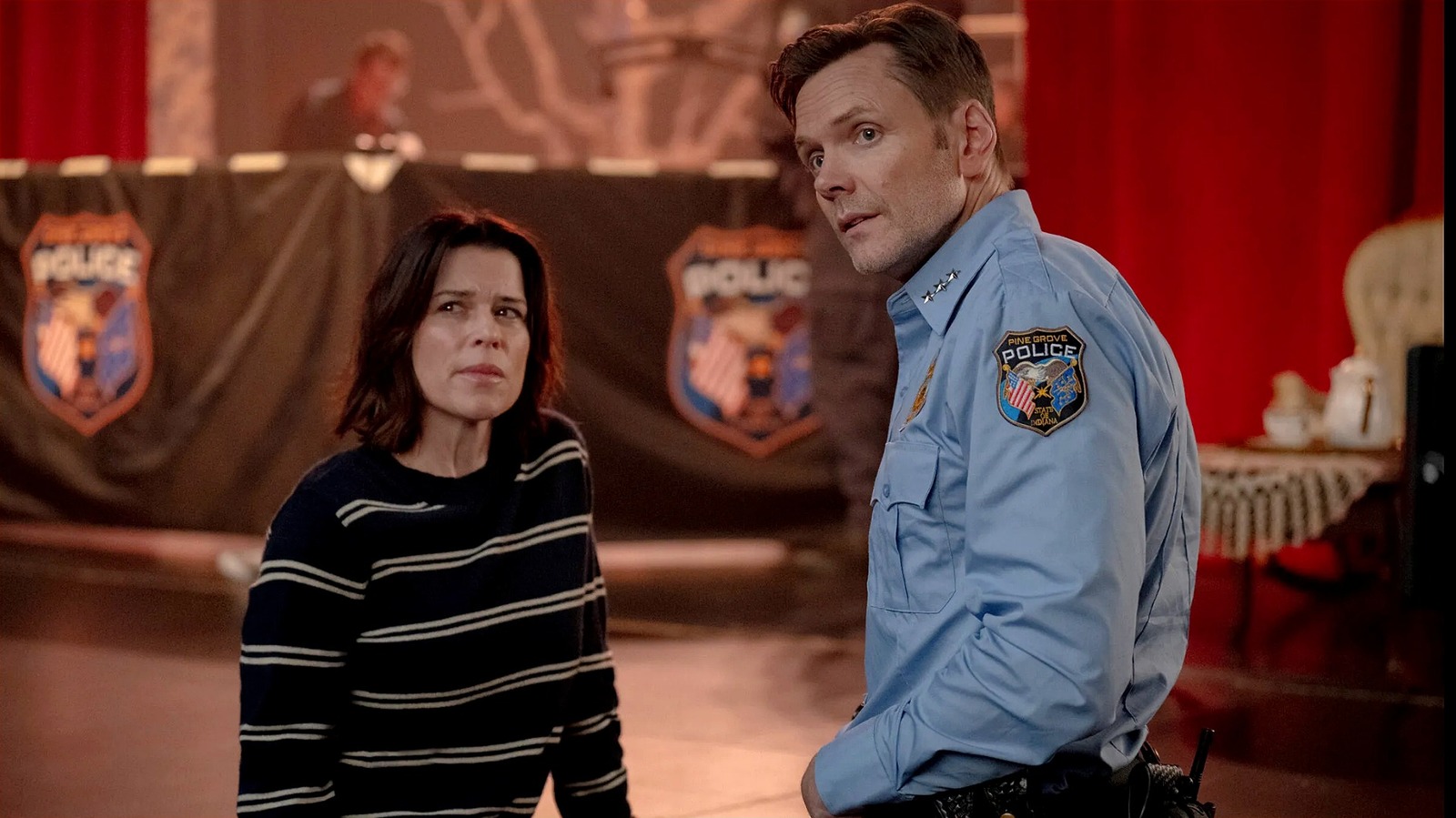
Neve Campbell’s return to the franchise, reportedly for a $7 million salary after previous pay disputes, is understandable. Yet, there are moments on screen where she seems to question if the paycheck justifies her involvement. Her character, Sidney, has relocated to a tranquil Indiana town, finding solace in running a coffee shop. But peace is shattered when she receives a chilling call from someone using deepfake technology to impersonate the supposedly resurrected Stu Macher (Matthew Lillard), threatening her daughter as the next target of Ghostface.
It’s been three years and countless controversies since “Scream VI” arrived on our screens, but no new horror trends have emerged during that time for returning screenwriter — and now director — Kevin Williamson to riff on. The pop culture commentary it does offer is stale and relegated firmly to the background, and so Williamson has opted to make this the first entry in the entire franchise to play it relatively straight as a slasher whodunnit, disconnected from the wider genre these films have always remained in conversation with. At this point, seven films in, without even a tired meta novelty to rely on, this is the first time the franchise has felt like the generic, formulaic slasher the original movie was designed to subvert the rules of.
This is a sequel with no purpose
Paramount Pictures
Of course, it wasn’t always supposed to be like this. The Carpenter sisters, played by Melissa Barrera and Jenna Ortega respectively, were set up to have the ultimate reckoning with their family history after the previous film, even teasing the next steps in Sam’s (Barrera) journey as the rightful heir to Billy Loomis. After producers gutlessly fired Barrera for the crime of denouncing a genocide – in the process, causing Ortega to jump the sinking ship too — “Scream 7” actively ignores the overarching plot of the prior two films to desperately piece together a formulaic narrative with whichever cast members would agree to sign up.
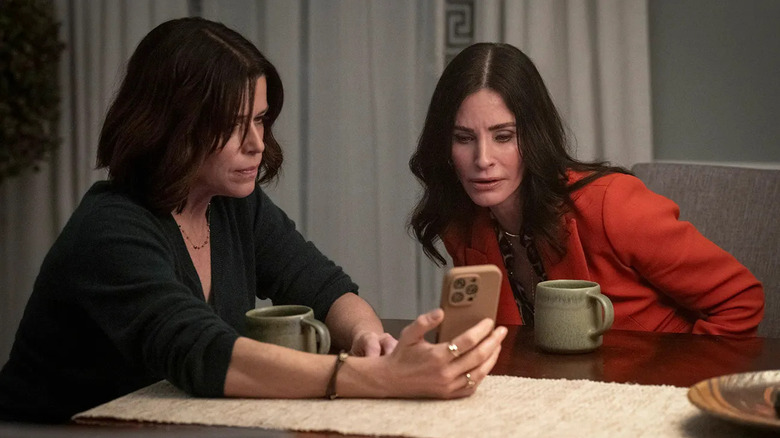
I can’t fault Neve Campbell for taking the call and pressing producers for a $7 million salary after bowing out of the prior film due to pay disputes, but there are multiple scenes where you can see her mentally working out whether the money was worth it. Since the last film, Sidney has moved to a sleepy Indiana town and opened a coffee shop, relishing the quietness of life. And then, one day, she gets a voice call from somebody using deepfake technology to pose as the resurrected Stu Macher (Matthew Lillard), warning her that her daughter is next on Ghostface’s chopping block.
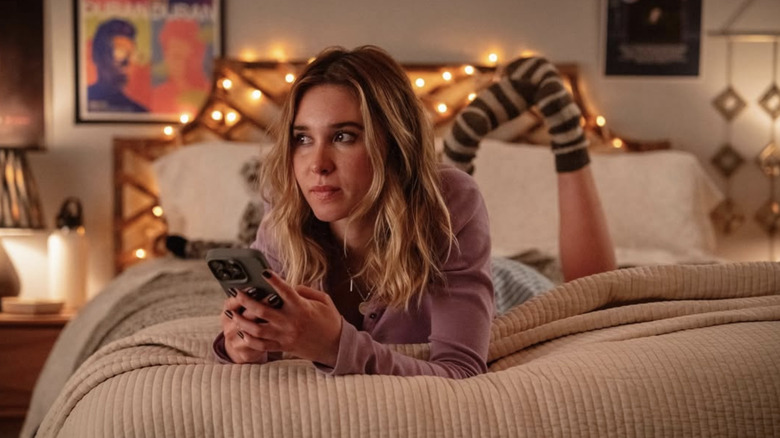
It’s painfully obvious that producers are hoping the teenage Tatum (Isabel May) will take over Sidney’s scream queen title and keep the franchise alive, but she’s not a particularly interesting protagonist. Her angst at the arm’s-length-distance her mother keeps her from learning about her final girl past is no different to the franchise-long frustrations Gale Weathers (Courteney Cox) has had at getting Sid to reveal all in an interview. That no young daughter was referenced in 2011’s “Scream IV,” when the timeline highlights that she would roughly have been born around 2009, is a sign that the creative team has been flailing to find a new young replacement for two well liked stars, and the best they can come up with is a daughter whose existence is solely to get the main protagonist to vocalize her emotional journey.
Where is the meta commentary?
Paramount Pictures
This is far from the only aspect of lazy screenwriting, as there was clear potential throughout Kevin Williamson’s screenplay to directly satirize current Hollywood trends that have become prevalent outside the horror genre. The plot this time is triggered by a killer using AI to resurrect people who have died in-universe, which feels like an open invitation to skewer Tinseltown’s current obsession with replacing actors with amateur technology. Quite fittingly for a movie whose promotional campaign featured an app where you could AI generate an image of Ghostface sneaking up on you, there is a reluctance to explore and parody this topic even as it’s at the center of the story, treating the technological aspect of the whodunnit with a genuine reverence that almost feels like a defense of the technology.
Yes, we know that AI hasn’t been used, and that Matthew Lillard really is hamming it up in a performance so cringe-inducing that it made me briefly think that Quentin Tarantino had a point to label him one of the three worst actors in SAG. But in-universe, the technology is so convincing that the movie eventually takes a detour to a mental institution, as Sidney and Gale need to investigate whether Stu really did survive. It’s an odd case of a movie not using AI, but framing a narrative around the idea of AI becoming so advanced it will eventually be indistinguishable to the human eye — an argument only made by people who can’t see that everything AI generated is utter slop. “Scream 7” is the kind of bad movie AI couldn’t make, in that its failures in storytelling and meta movie commentary are all due to sheer laziness on the creative team’s part when it comes down to developing any idea past its bare bones.
The “Scream” movies exist to comment on the horror genre, and stripping that away from the formula creates something unremarkable. Yes, Williamson can stage some decent set pieces as a franchise veteran, although he commits the same sin as “Scream VI” when it comes to a lack of conviction in killing off characters, making the whole endeavor feel lacking in stakes. Gale got stabbed lord knows how many times in the ultraviolent previous film (which Looper also reviewed), and here she functions as if she only fell off her bike; other characters are brutally assaulted in this movie and are back at work within a couple of hours. If we’re not poking fun at the inherent silliness of this, like a good “Scream” movie should, then all we’re left with is a slasher too afraid to twist the knife.
“Scream 7” is in theaters now.