
Share this @internewscast.com
In the world of cinema, sometimes it’s the atmosphere that truly elevates a film, transforming it into a memorable piece of art. Sergio Corbucci’s 1966 spaghetti Western, “Django,” is a shining example of this phenomenon. Now available for streaming on Pluto TV, the film is celebrated for its mood, which arguably outshines its fragmented narrative, simplistic characters, and intense violence. Riding the wave of success from Sergio Leone’s groundbreaking Westerns like “A Fistful of Dollars” and “For a Few Dollars More,” Corbucci’s “Django” carved out its own niche in the genre, offering a film that was both brutally raw and intriguingly innovative for its time.
Euro International Films
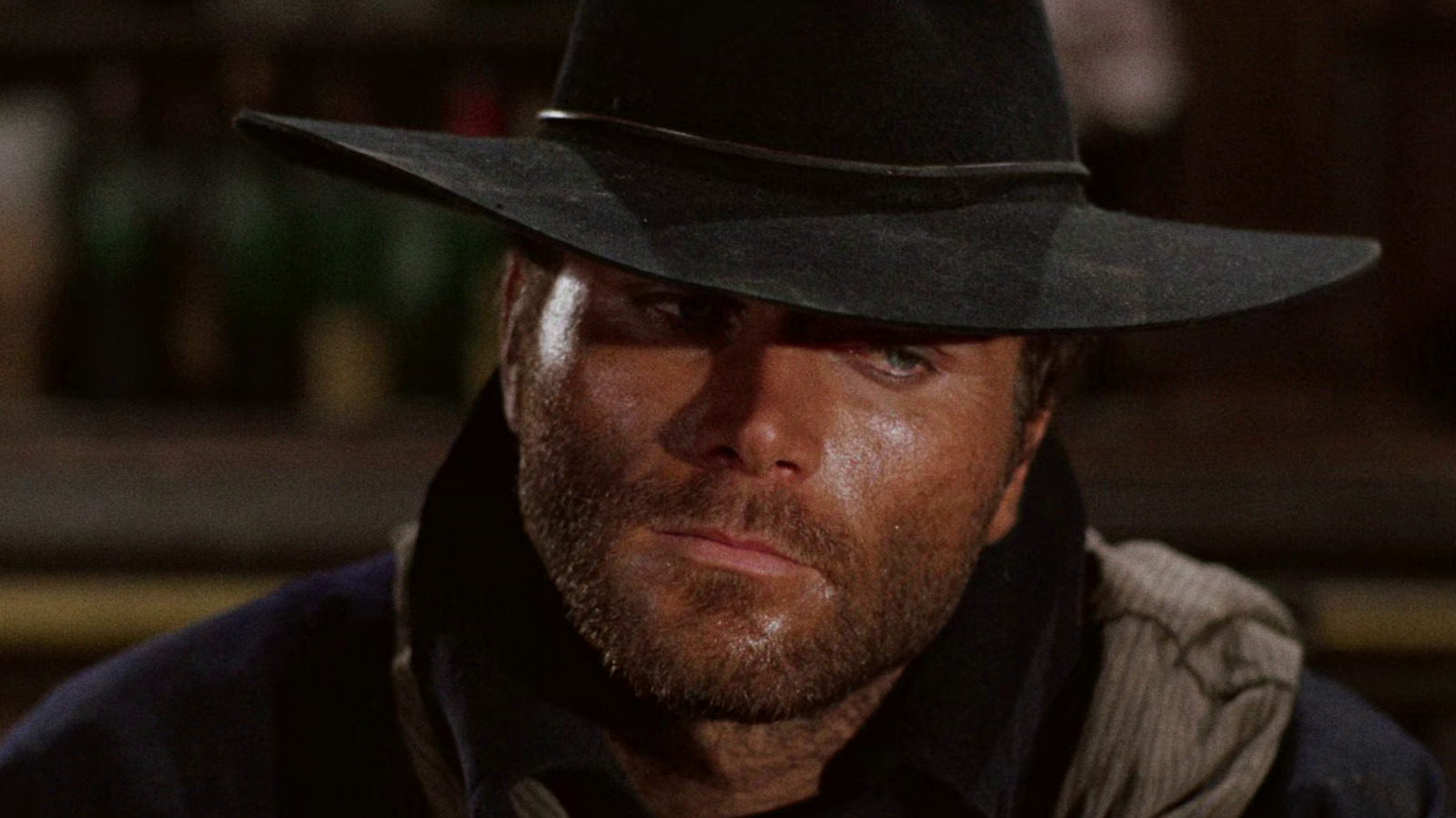
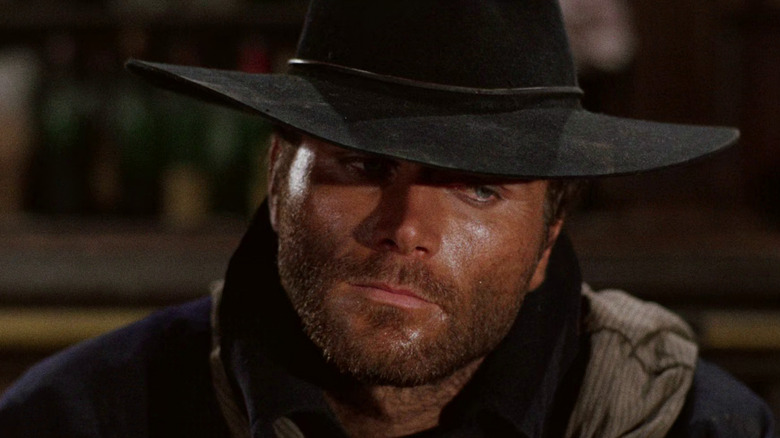
Filmed on a limited budget across Italy and Spain, “Django” became a commercial success and marked the beginning of Corbucci’s unofficial “Mud and Blood” trilogy. It also catapulted Franco Nero into stardom with his portrayal of the titular character. Nero would later revisit this iconic role in the 1987 sequel, “Django Strikes Again,” and his performance would inspire a new generation of filmmakers, including Quentin Tarantino. Tarantino’s “Django Unchained” draws heavily from Corbucci’s original, a testament to its enduring influence.
The film’s graphic violence led to its ban in the U.K. and other countries for nearly 30 years, only seeing a video release in 1993. These bold choices have since cemented “Django” as a cult classic. Its relentless nature and unreserved storytelling have kept audiences captivated for nearly six decades. Yet, beyond the shock value, it’s the film’s raw, desolate beauty and Nero’s compelling presence that have secured “Django” a place in the pantheon of timeless Westerns.
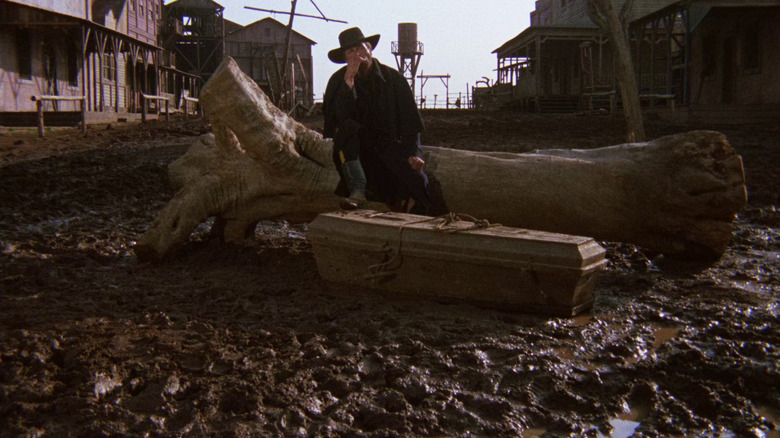
“Django” opens with a powerful visual: a solitary gunslinger, Django, portrayed by Franco Nero, trudging through the mud in a Union soldier’s uniform, dragging a coffin behind him. Set on the U.S.-Mexico border, this iconic scene is accentuated by Luis Bacalov’s stirring theme, setting the tone for what’s to come. As Django observes from afar, Mexican bandits prepare to whip a mixed-race sex worker, Maria (Loredana Nusciak), to death. Their plans are interrupted by Red Shirts led by ex-Confederate Major Jackson (Eduardo Fajardo), who slaughters the bandits, leaving Maria alive only to crucify her. Django intervenes, dispatching Jackson’s men and rescuing Maria.
Together, they venture to a nearby town, a desolate haven inhabited primarily by sex workers, a bartender, and a devout Christian who secretly serves as a spy. This run-down location serves as a neutral ground amidst the ongoing conflict between Jackson’s men and the Mexican revolutionaries.
Django’s brute vision of revenge, justice, and greed
Euro International Films
Once Django arrives, he finds himself entangled in the rivalry, but he has a personal vendetta to settle. Seeking vengeance for his murdered lover, killed by Jackson, Django orchestrates a plan to confront the Major. However, when Jackson approaches with his retinue, Django spares him, claiming a direct kill would be too easy. Instead, he challenges Jackson to return with his full force for a proper showdown. As the plot unfolds, it becomes clear that Django’s intentions also involve a heist that could make him wealthy, with General Rodriguez (Jose Bodalo), leader of the revolutionaries, playing a pivotal role in this daring scheme.
Together, the two head to the town close by, populated only by sex workers, a bartender, and a devout Christian who turns out to be a spy. The place serves as a barren and dilapidated neutral zone between Jackson’s group and the Mexican revolutionaries who arecurrently at war with each other.
When Django arrives, he’s caught in the middle of the conflict, but he’s got a reason to be there. He’s out for revenge — with a plan to avenge his dead lover, murdered by Jackson — yet when the Major pays him a visit with an entourage, Django spares him after killing his men. Shooting him “would be taking advantage,” he remarks. Instead, he tells him to gather all his soldiers and come back for a proper fight. As we later learn, Django also aims to get rich in the process of eliminating Jackson and his bunch, and he needs the Major alive for that. General Rodriguez (Jose Bodalo), the leader of the revolutionaries, whom he happens to know first-hand, is also a key player in the heist.
Rampant yet stylishly elaborate violence made Django a classic
Euro International Films
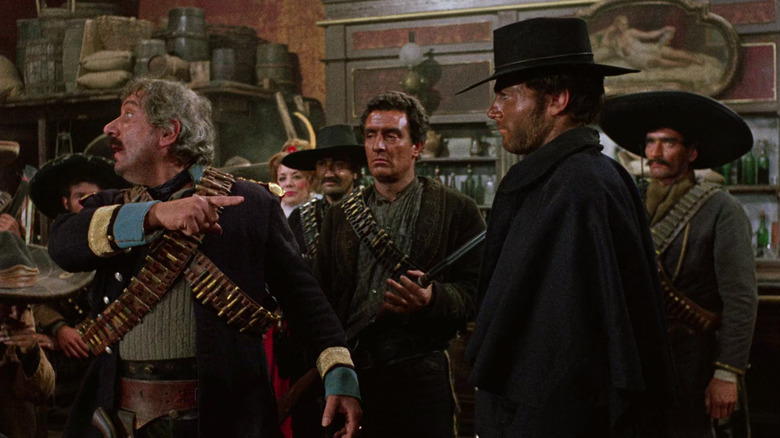
Based on the plot, it’s not hard to realize that racism, revenge, injustice, and excessive violence (among other familiar Western themes) are the cornerstones of Sergio Corbucci’s film. We’re reassured of that multiple times, most memorably by the Mexican General who introduces the titular character to his men with the line: “This is Django, a thief, a murderer, and an outlaw, but he means more to me than a brother.” Django is no hero or saint, and he gets his comeuppance for his sins along with everybody else.
Although the screenplay becomes more disorderly the further we get in the story, it’s largely redeemed by Corbucci’s stylishly pioneering direction, Enzo Barboni’s raw and evocative cinematography, and Luis Bacalov’s heart-achingly beautiful score. Words matter less in “Django” than the sheer scale of its powerful images — often contrasting flat, listless dialogue — because Corbucci (who co-wrote the script with his brothers Bruno and Franco Rossetti) prefers to speak to us through action and savagery. “Django” is filled with both (from rapid gunfights to mass murders to gory mutilations), and they’re arguably the most vivid and impressive bits that solely focus on delivering a harsh and dark Western exempt from any romanticizing.
Combined with Franco Nero’s gravitas and an apt supporting cast — Angel Alvarez’s constantly worried and subservient bartender is a hoot as far as the film’s black humor goes — “Django” remains a flawed but exceptionally sturdy and salient piece of Italian cinema. No wonder that it spawned over 30 unofficial sequels after its release, as well as numerous efforts from various filmmakers, like Tarantino, who tried to imitate or pay homage to its singular style. It may not have reached the lofty position that some of Sergio Leone’s must-watch spaghetti Westerns hold in the genre, but it’s still an undeniable classic that has stood the test of time.