
Share this @internewscast.com
Throughout the evolution of superhero cinema, Hollywood has long been captivated by bringing beloved comic book icons to life, even before the Marvel Cinematic Universe introduced characters like “Guardians of the Galaxy” and “Ant-Man.” The 1990s, in particular, offered audiences a slew of unusual titles, likely inspired by the blockbuster success of 1989’s groundbreaking “Batman.” This era witnessed the release of films such as “Steel,” “The Crow,” and “The Phantom,” which, while not box office giants, delivered intriguing and eccentric narratives to audiences.
Archive Photos/Getty Images
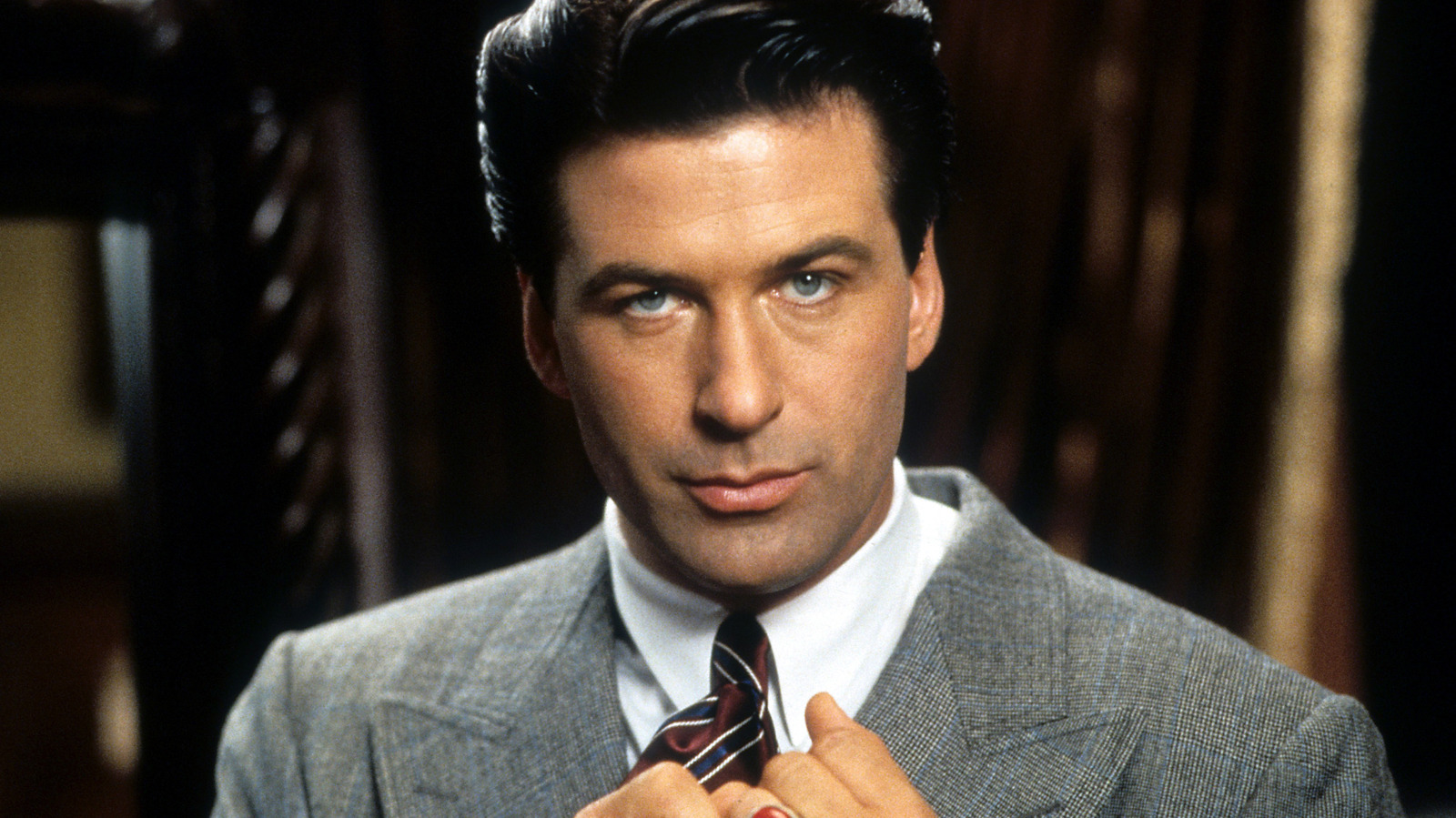
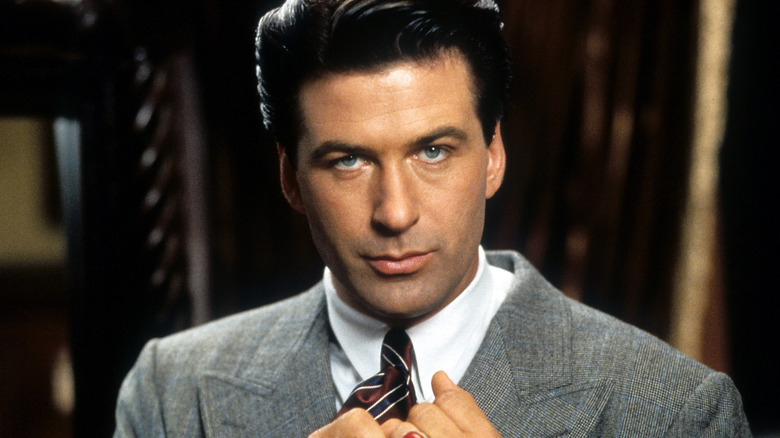
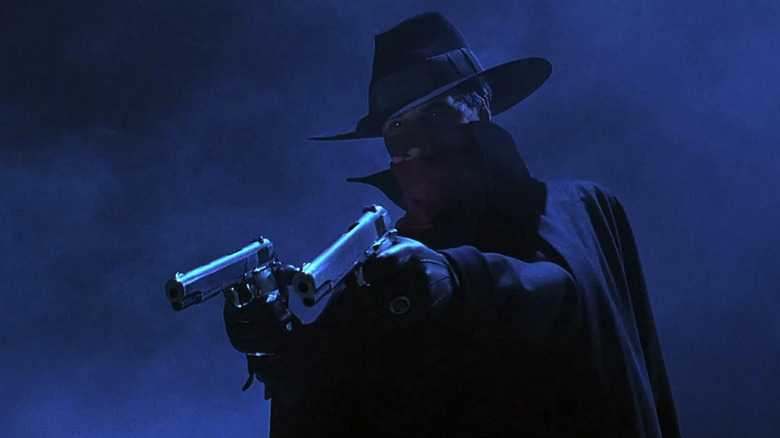
Among the lesser-remembered superhero films of the ’90s is “The Shadow.” This movie draws its roots from the 1930s pulp fiction character crafted by Walter B. Gibson. The storyline follows Lamont Cranston (played by Alec Baldwin), a post-World War I opportunist who becomes a drug lord in Tibet. Like many charismatic fictional rogues, Cranston stumbles upon mystical training that endows him with superhuman abilities, provided he uses them for noble purposes. He then returns to New York City, where he maintains his socialite facade while secretly operating as the vigilante known as The Shadow.
Despite Alec Baldwin’s star power and a talented ensemble cast featuring Ian McKellen, Penelope Ann Miller, and John Lone, under the direction of “Highlander” filmmaker Russell Mulcahy, “The Shadow” fell short of the studio’s expectations. Released as a summer blockbuster intended to launch a franchise, it faded into obscurity, becoming one of Ian McKellen’s less notable film appearances.
Lamont Cranston’s transformation into a hero bears a striking resemblance to the journey of Bruce Wayne in Christopher Nolan’s Batman trilogy. Like Wayne, Cranston undergoes training in a secluded Himalayan monastery, albeit not under Ra’s al Ghul, before returning to his city to continue his life as a wealthy playboy. It’s interesting to note that Batman himself was partially inspired by The Shadow and similar pulp heroes.
The Shadow was invisible to movie-goers
Universal Pictures
While Bruce Wayne didn’t return with hypnotic powers, the parallels between the two stories are evident. “The Shadow” falters in its attempt to balance special effects, atmospheric visuals, and coherent storytelling. Despite the intriguing aspects that define The Shadow and his heroic exploits, the 1994 film adaptation failed to leave a lasting impression.
Lamont Cranston’s hero origin story is very familiar to fans of Christopher Nolan’s Batman trilogy. In it, Wayne trains at a remote, Himalayan monastery under Ra’s al Ghul before returning to his home city and resuming the life of a wealthy bachelor (it’s worth noting that the Batman character was partially inspired by The Shadow and similar pulp figures).
Bruce didn’t come back to the states with hypnotic powers, but there are still many similarities between the two stories. Where “The Shadow” fails is in its lack of balance between visual effects, onscreen atmosphere, and solid storytelling. Despite the many unique elements that make up The Shadow and his superhero M.O., this 1994 onscreen adaptation was simply no where near as memorable.