Share this @internewscast.com
The world of television movies has a storied history, with legendary directors like Steven Spielberg launching their careers through TV films such as “Duel.” The Disney Channel has long captivated younger audiences with its original movie offerings. However, the rise of streaming platforms like Netflix and Prime Video has given small-screen cinema a new level of prestige. These platforms now host exclusive releases that bypass theaters, yet feature impressive budgets and star-studded casts.
Prey
On the business side of things, it’s easy to see why Disney and 20th Century Studios brass opted to send the 2022 “Predator” installment “Prey” straight to Hulu. The “Predator” movies weren’t exactly mammoth moneymakers even before theaters closed down in 2020. To boot, 2018’s “The Predator” left such a sour taste in audience’s mouths that studio executives might’ve thought it impossible that folks would shell out money again for a subsequent entry.
These concerns should’ve been flung out the window the moment these same people saw footage from this Dan Trachtenberg directorial effort. “Prey,” which made Hollywood history before it even hit Hulu, was a spectacular affair packed with incredible visual panache and terrifically engrossing fight scenes that deserved to be seen with a large crowd. Rather than just rehashing the mold of prior “Predator” movies, “Prey” offers a different atmosphere more than worthy of a big screen exhibition.
Plus, Amber Midthunder’s star-making turn as Naru warranted being witnessed on a theatrical canvas, not on people’s phones. While a handful of special “Prey” screenings have cropped up since its Hulu debut, this title deserved such treatment from the get-go. Across all eight “Predator” movies, “Prey” is easily the franchise’s creative peak, and its lack of a theatrical launchpad is an outright travesty.
The Fallout
It isn’t just lavish, action-packed blockbusters that benefit from being seen in multiplexes. Movies across every genre are better seen in theaters, including quiet, challenging dramas. Experiencing these intimate titles in a darkened, distraction-free environment lets the weighty material seep in and inspire discussions about pivotal topics impacting the wider world. There’s no end to the upsides to seeing something smaller on the big screen.
One that should’ve reaped the benefits of this release method is Megan Park’s 2022 directorial debut “The Fallout,” which starred Jenna Ortega and went straight to HBO Max. It follows Vada (Ortega), a high school student whose life and relationships go in unexpected directions after she survives a school shooting. This unspeakable tragedy only occupies a few minutes of screentime in “The Fallout,” but it casts a wide shadow over every inch of the subsequent film.
With this maneuver, “The Fallout” deftly implores Vada and the viewer to contemplate what existence looks like after the unthinkable. This momentous material is handled superbly by Ortega, in one of her greatest accomplishments across movies and television, demonstrating immense chops tackling such raw and messy drama. What a shame that such artistic achievements are buried deep next to reality shows about Logan and Jake Paul and Discovery Channel slop.
Bad Education
After his darkly humorous directorial debut “Thoroughbreds,” Cory Finley returned behind the camera for the Hugh Jackman led “Bad Education.” Chronicling the true story of superintendent Frank Tassone (Jackman), “Bad Education” follows the externally perfect Tassone as his secrets and corruption come to light. The man and his duplicitousness are a compelling ticking time bomb, and there’s no way his schemes can end well. Finley, though, keeps viewers riveted as to how and why things unravel.
“Bad Education” is a terrifically engaging movie, full stop, but it would’ve been especially exceptional on the big screen. For one thing, the sound department deliver excellent work giving “Education” a tense sonic atmosphere. The subtlest noises, like roof tiles leaking, amplify the pervasive suspense driving this story. One can only imagine how glorious these flourishes would’ve sounded in a theatrical setting.
Plus, listening to a crowded auditorium’s reactions to the various twists or darkly comedic punchlines would’ve been a delight. On top of that, Hugh Jackman’s career-best work shouldn’t have been shooed off to HBO. This man is a theatrical powerhouse whose big screen exploits include everything from the “X-Men” films to “Prisoners” and so much in between. If “Pan” could get a theatrical release, then “Bad Education” certainly warranted a big screen run.
Fire Island
“Fire Island” is set on the titular real-world gay party hotspot and follows best buds Noah (Joel Kim Booster) and Howie (Bowen Yang), along with their pals, heading off to the domicile for sun and fun. What they get is a clever reimagining of Jane Austen’s “Pride & Prejudice” that works splendidly on its own merits. Director Andrew Ahn’s vision for “Fire Island” is of all kinds of queer souls finding joy (and maybe even some romantic sparks) in each other’s company.
A feature this centered on elated connections shouldn’t have gone straight to Hulu, where many will watch it alone on their living room couch. In theaters, crowds of moviegoers could have experienced its fun and wit together. “Fire Island’s” release method should have reinforced its celebration of communal pleasures, not undercut them. A quality crowdpleaser comedy is just irresistible on the big screen.
This feature leaves viewers with a massive smile on their face and their soul feeling full, and those sensations would feel extra potent on the big screen. Plus, there’s never enough queer cinema released to in theaters. “Fire Island” could’ve filled a tragic void in the marketplace while further enhancing its already remarkable triumphs.
Kimi
HBO Max
Steven Soderbergh’s best films run the gamut across all kinds of genres and tones. Sometimes you get the spry and light “Logan Lucky,” other times it’ll be a meditative and visually avant-garde experience like “Presence.” What binds these projects, though, is that the vast majority of them have received theatrical releases. For a while, unfortunately, this director’s works were frustratingly sent straight to streamers, starting with 2019’s “High Bird Flying” on Netflix.
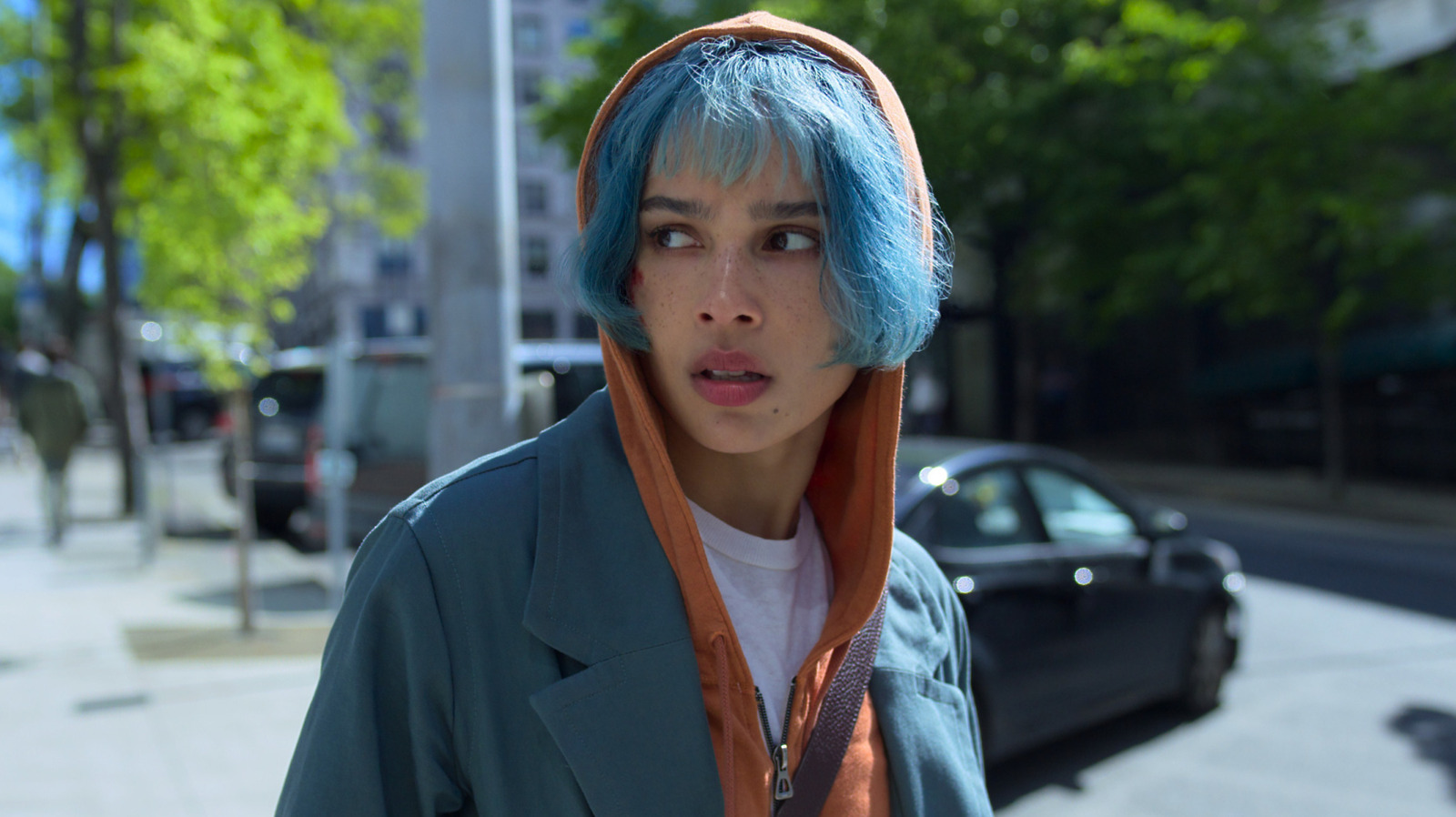
In January 2020, Soderbergh even embarked on a multi-year deal to produce original films for HBO Max, which meant that titles like “Let Them All Talk” and “No Sudden Move” never got theatrical runs. The best of these was the delightfully twist-turny “Kimi,” a modern take on the likes of “Rear Window” following an agoraphobic tech worker (Zoë Kravitz) who accidentally stumbles onto proof of a horrific crime. The precise imagery and splendid surprises keep on coming in this engrossing motion picture that displays Soderbergh’s knack for nail-biters.
Kravitz, meanwhile, makes for a perfect leading lady, while the slimmed-down supporting cast features always reliable character actors. Something as enjoyable as “Kimi” shouldn’t have been hidden behind an HBO Max paywall and instead received the same theatrical treatment of pre-2019 Soderbergh projects. Thank goodness, in more recent years, Soderbergh’s returned to the big screen with gems like “Black Bag.”