
Share this @internewscast.com
If we’re being candid, being a superhero aficionado can sometimes feel as demanding as a full-time occupation. Fans need to keep track of numerous intertwined story arcs, recall various character deaths and resurrections, and grasp the complexities of multiverses. Dedicating dozens of hours to studying the lore might still only skim the surface of what a single comic book publisher has created.
Chicago Tribune
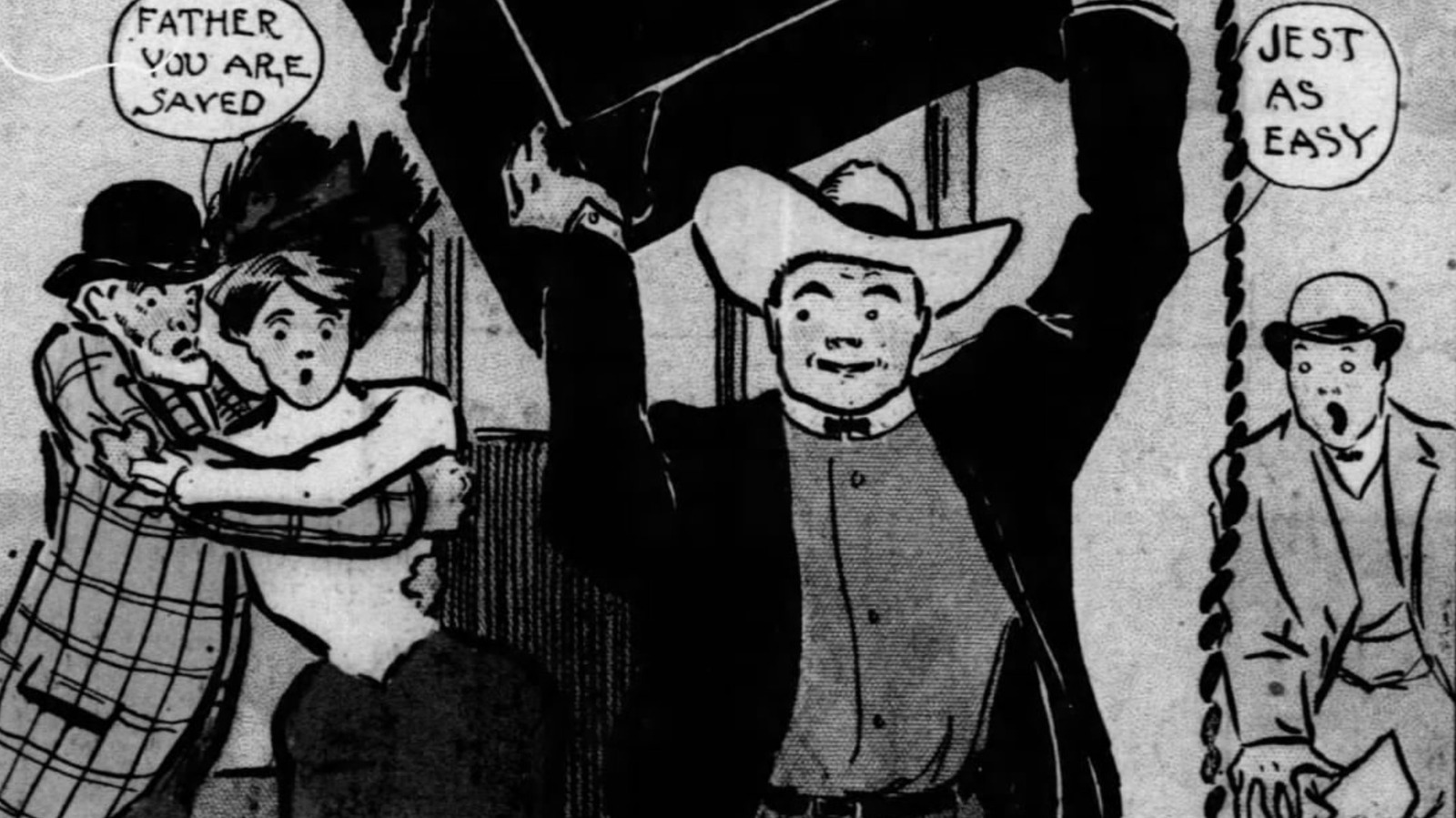
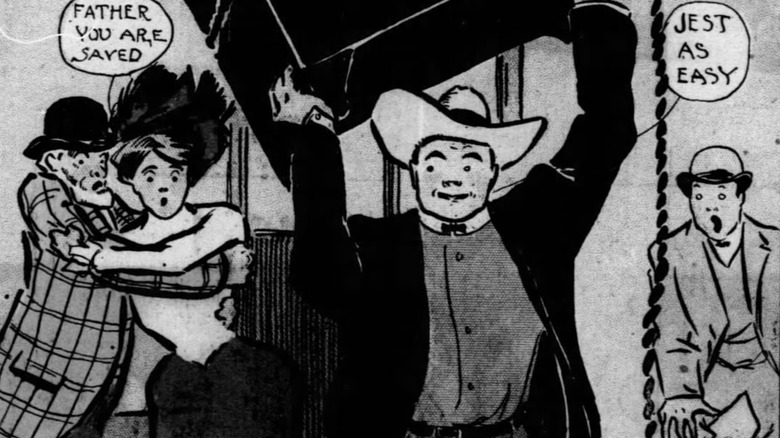
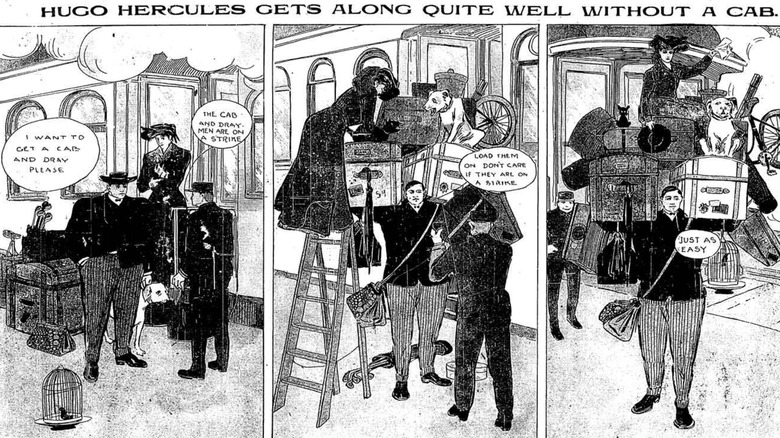
Surprisingly, superheroes weren’t always this intricate. Before the creation of Marvel and DC, the world’s inaugural superhero made his debut with a refreshingly simple concept: a man with extraordinary strength. Enter Hugo Hercules, the first superhero in comics history. Artist Wilhelm Heinrich Detlev Körner introduced Hugo through stories in the Chicago Tribune starting on September 7, 1902, with the newspaper featuring his adventures in brief comic strips for a five-month stint.
Hugo Hercules stands apart from today’s heroes, lacking an elaborate origin story and never facing formidable comic book villains. Instead, his super strength was put to use in assisting everyday people with rather ordinary problems, a notion that was revolutionary in 1902. Though Hugo didn’t linger in the spotlight, his approachable heroism laid the groundwork for the expansive comic book universes cherished today.
Throughout his brief comic strip run, Hugo Hercules utilized his super strength for various feats such as saving derailed trains, catching families plummeting from buildings, and aiding firetrucks in reaching their destinations. His demonstrations of power spurred the superhero tradition and initiated another iconic element: catchphrases. “Just as easy” became one of Hugo’s favorite expressions, and another of his lines, “I could do this forever,” is reminiscent of something Captain America might declare in the Marvel Cinematic Universe.
However, Hugo’s journey was short-lived. Wilhelm Heinrich Detlev Körner, Hugo’s creator, abandoned the character after just five months. His focus shifted when The Saturday Evening Post commissioned him for Western frontier illustrations, leading him to fame for his frontier paintings, some of which even graced the White House.
Whatever happened to Hugo Hercules?
Chicago Tribune
Despite Hugo’s brief comic strip presence, his character left a significant mark, and soon superheroes began to emerge across the comic world. Decades after Hugo’s debut, “Detective Comics” launched its iconic series, ushering in the age of modern superheroes. Notably, the year of Körner’s passing coincided with the release of the first issue of “Action Comics.” The rest, as they say, is history.
Forever wasn’t in the cards for Hugo, though. His creator Wilhelm Heinrich Detlev Körner gave up on the hero after just five months. When The Saturday Evening Post commissioned drawings of the Western frontier, Körner’s artistic interests shifted. Körner stopped drawing Hugo and became famous for his frontier paintings, some of which have ended up in the White House.
The uniqueness of Hugo as a character made a big impression in the comic strip world, however, and superheroes began popping up all over the place. Decades after Hugo debuted, “Detective Comics” began its legendary run, and modern-day superheroes began to make their first appearances. The year that Körner died was also the year that the very first issue of “Action Comics” was published. The rest is history.