
Share this @internewscast.com
It’s tempting to idealize the golden days of Hollywood, especially when gazing at vintage photographs of iconic stars like Clark Gable or Julie Christie. Their timeless allure and legendary performances can cast a spell. However, it’s crucial to remember that beneath the glamour, individuals often grapple with complexities, and the film industry has long been shadowed by issues such as substance abuse, sexual misconduct, and troubled personal relationships. Just as some of today’s successful actors have flawed personal lives, so did the celebrated figures of the 1970s.
What distinguishes the Hollywood icons of yesteryears from today’s celebrities is the stark contrast in privacy. With the advent of social media, smart technology, and a 24-hour news cycle, today’s stars find themselves under constant scrutiny. Back in the 1970s, it was much harder—if not impossible—for fans to develop intense personal connections with their favorite stars or for the media to pry into their private lives. The absence of this relentless spotlight allowed many famous personalities to act without fear of public backlash, unlike the situation for modern celebrities. Stars like Marlon Brando and Faye Dunaway were known for their unpredictable behavior, yet they frequently escaped public accountability.
Dustin Hoffman, a celebrated actor of the 20th century, is known for his riveting performances in classics such as “Rain Man,” “The Graduate,” and “Kramer vs. Kramer.” While audiences appreciate his method acting, his reputation within the entertainment industry tells a different story. Hoffman gained notoriety during the filming of “Kramer vs. Kramer” when he reportedly slapped co-star Meryl Streep to purportedly enhance her performance, a move that many found objectionable.
Off the set, Hoffman’s reputation further faltered when, in the wake of Harvey Weinstein’s 2017 scandal, several women accused him of inappropriate behavior. These allegations painted a picture of a man who allegedly exploited power dynamics with young women, making unwelcome advances and demanding inappropriate acts. One co-star from a stage production of “Death of a Salesman” accused him of public humiliation and misconduct. Whether or not the allegations hold, Hoffman’s reputation suggests he might not be the most pleasant person to encounter in person.
Dustin Hoffman
If you or someone you know has experienced sexual assault, help is available. Visit the Rape, Abuse & Incest National Network website or contact RAINN’s National Helpline at 1-800-656-HOPE (4673).
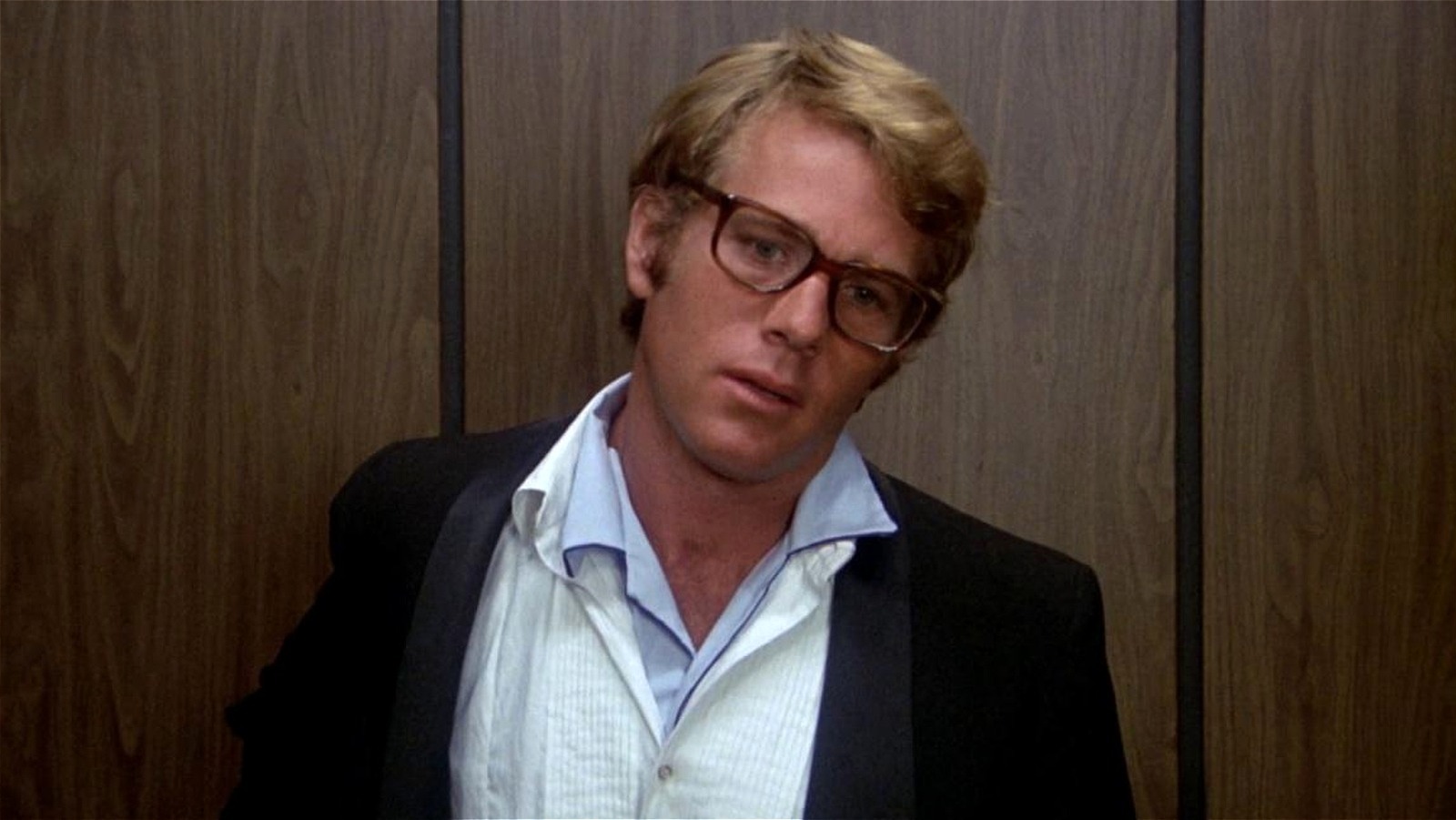
Few actors embody the spirit of the 1970s quite like Ryan O’Neal, who was romantically linked with Farrah Fawcett, another emblematic figure of that era. Unlike contemporaries such as Al Pacino and Jack Nicholson who sustained long-lasting careers, O’Neal’s rise to fame began in the 1960s, peaking in the 1970s with hit films like “Love Story.” Renowned for his striking looks and collaborations with top talents, O’Neal was also known for indulging in the era’s prevalent drug culture, which ultimately hindered his career’s longevity.
If you or anyone you know has been a victim of sexual assault, help is available. Visit the Rape, Abuse & Incest National Network website or contact RAINN’s National Helpline at 1-800-656-HOPE (4673).
Ryan O’Neal
There is perhaps no other actor who better represents the 1970s than Ryan O’Neal — he even had a years-long romance with Farrah Fawcett, another actor famously associated with the 1970s. Where others like Al Pacino and Jack Nicholson enjoyed many decades of prominence in the industry, O’Neal’s career proper began in the ’60s and peaked in the 1970s with hit films like “Love Story.” He was considered one of the most handsome onscreen faces of his day and worked opposite many great performers, but he also partook liberally of the many drugs and substances often available to fashionable people in Hollywood and ultimately failed to achieve longevity as a movie star.
Ryan O’Neal was largely known, by the time he died in 2023, for his negative reputation as a father and partner. He was frequently unfaithful to his romantic partners and often engaged in blistering fights that were known to turn violent. Actress Angelica Huston has been open about the abuse she suffered during their relationship, noting several incidents where O’Neal physically assaulted her.
Perhaps his most egregious behavior was perpetrated against his four children, though. In 2009, Griffin O’Neal admitted that his father pressured him into snorting cocaine when he was only 11 years old. Tatum O’Neal, Ryan’s only daughter, was already drinking alcohol when she was only 6, and in 2008, Ryan was arrested alongside his youngest son, Redmond, for possession of methamphetamines. All of O’Neal’s children have dealt with serious substance abuse issues. He was also physically abusive to his children, and actually punched Tatum in the face when she received an Academy Award nomination (and he did not) for their film “Paper Moon.”
If you or anyone you know needs help with addiction issues, help is available. Visit the Substance Abuse and Mental Health Services Administration website or contact SAMHSA’s National Helpline at 1-800-662-HELP (4357).
Faye Dunaway
From the moment she entered the entertainment industry, Faye Dunaway has been singular. She came up as an actress in the ’60s and ’70s at a time when misogyny in Hollywood was still rampant, and men were in charge of nearly everything. Despite this, Dunaway worked hard to become a successful actor without falling prey to the many predatory people and schemes out to get young actresses in ’70s Hollywood. When she costarred in “Chinatown” under the direction of Roman Polanski, she found herself in something of a creative war zone, recalling in her 1995 autobiography that Polanski always hung out with very young, non-threatening girls and clashed with Dunaway’s strong opinions.
And the clashing was constant. At one point, Polanski literally plucked a hair from her head. She claims the stories of her own behavior on the set — including one anecdote about a lack of bathroom breaks and a tossed cup of urine — were dramatized and pushed in the media by Polanski. Dunaway defines herself as a perfectionist who wouldn’t have been held in contempt for her behavior if she were a man. Unfortunately for Dunaway, her unimpeachable status in Hollywood depended on a respectable artistic record, and when her 1981 film “Mommie Dearest” flopped in theaters, it devastated her acting career.
Since then, Dunaway has been linked to other incidents of aggressive behavior, including a series of erratic voicemails to a biographer about their “obsession” with “Mommie Dearest” and allegations of abusive behavior that had her fired from a Broadway production of “Tea at Five.” Whether or not she is as difficult as her detractors would have the world believe, meeting Dunaway would probably be more like meeting a disgruntled war veteran than your favorite movie star.
Marlon Brando
United Artists
If you asked anyone to name the first classic movie star they could think of, it’s likely that they’d name Marlon Brando. His name is synonymous with Hollywood and cinema, and he is a representation of the kind of mythic fame that many actors enjoyed before technology fairly demystified the lives of the rich and famous. Brando was never happy with his fame, though. His first big role as Stanley Kowalski in the film adaptation of “A Streetcar Named Desire” established him as a sex symbol, and even that first brush with recognition was frustrating for Brando, whose career could have been ruined by the film’s reception. Brando rightly saw Stanley as a monstrous man, hardly more developed than a beast looking for its next meal, and played him as such. When people saw him as a sex symbol rather than an unappealing, beastly man driven solely by his desires, Brando thought he’d failed in his performance. He didn’t fail as an actor, but he did discover that he would never again be able to live like a regular guy.
Brando spent almost his whole career expressing disdain for his fame. After playing Vito Corleone in “The Godfather,” Brando became reclusive and increasingly more difficult to work with on set; often refusing to memorize lines or listen to the director for the sake of authentic performances. He once famously punched out a particularly obnoxious paparazzo named Ron Galella (breaking his jaw and knocking out five teeth), only for Galella to start wearing a football helmet whenever he was on the hunt for celebrity candids. Brando also described his history with women as a “Rolodex life,” claiming in his autobiography that he loved pushing their buttons. It was more than pushing buttons, though, according to actress Rita Moreno, who dated Brando for eight years after they costarred in “West Side Story.” He was physically and emotionally abusive to Moreno, and this behavior extended to other romantic partners as well.
If you or someone you know is dealing with domestic abuse, you can call the National Domestic Violence Hotline at 1−800−799−7233. You can also find more information, resources, and support at their website.