Share this @internewscast.com
Probiotics may be a term you are familiar with. These beneficial bacteria in your gut serve numerous functions, from aiding digestion to weight management. But to keep these gut bugs thriving, they need prebiotic foods as their fuel source. While you can opt for a supplement to boost your prebiotic intake, many everyday foods naturally provide this specific form of fiber.
Luckily, many prebiotic foods are common in the American diet and can easily be incorporated into your meal plan for a healthier digestive system. While some fiber, like the roughage found in leafy greens and nuts, supports digestive regularity, the soluble fiber in certain foods offers prebiotic benefits.
If you are looking to support the beneficial bacteria in your gut, and potentially support other areas of wellness, read on to learn 10 prebiotic foods for better gut health.
Chicory root
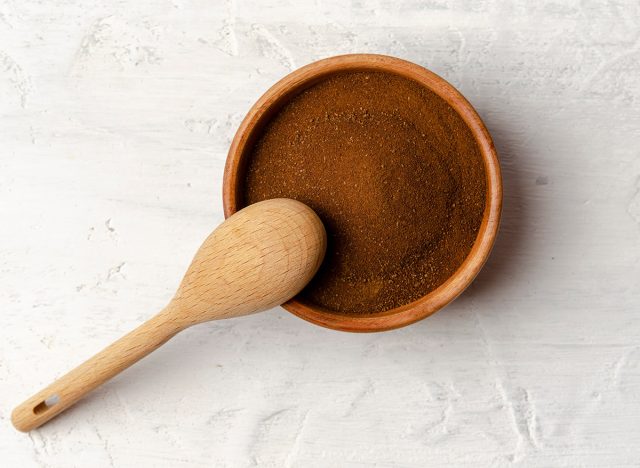
Of the foods on this list, chicory root is unique in that you’re most likely to incorporate this food into your diet via supplement. It has a flavor similar to coffee and is known for its high antioxidant content. Additionally, it is a source of prebiotic fiber inulin. This inulin can aid in digestion and may also benefit blood glucose levels.
You can incorporate chicory root into your day by swapping your traditional coffee grounds for chicory root granules, or look for protein powders, snack bars, and yogurts containing chicory root.
Onions
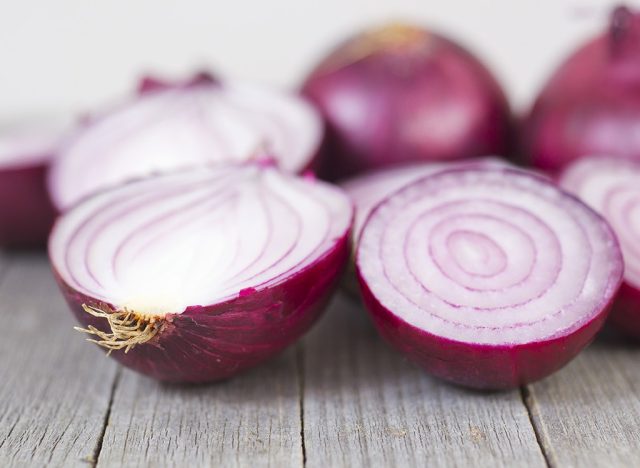
Known for its potent flavor and smell, onions contain inulin as well as a type of carbohydrate called fructooligosaccharides, or FOS. This form of carbohydrate can be used as a low-calorie sugar alternative when extracted from food, and also serves as a prebiotic.
Adding raw or cooked onions to your meals is a great way to boost prebiotics, as well as antioxidants.
Garlic
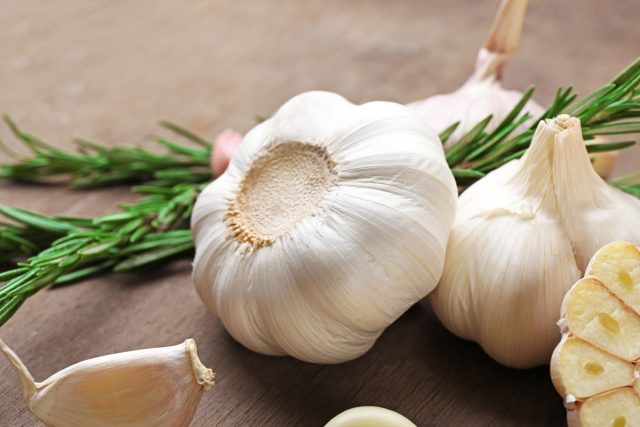
Although garlic isn’t known for being a rich source of dietary fiber, it does benefit your gut in other ways. One study noted how garlic serves as a prebiotic by supporting the growth of beneficial gut bacteria. At the same time, garlic can prevent the growth of harmful bacteria in the gut. Based on these two mechanisms alone, garlic may be a good food for promoting gut health.
Garlic can be added cooked or raw into your favorite dishes and can be taken as a supplement for a more concentrated intake.
Bananas
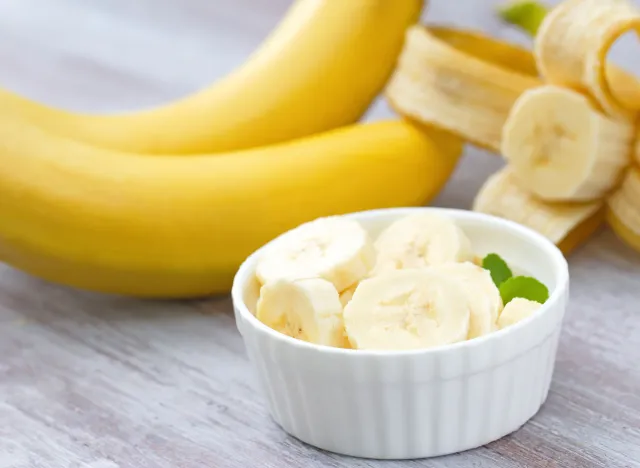
If you are looking for easy snacks that serve as a prebiotic, bananas should be at the top of your list. Not only are they a source of fiber, vitamins, and minerals, but bananas also contain resistant starch. You’ll find resistant starch highest in bananas that are still green and this compound appears to have prebiotic effects, according to research.
Enjoy bananas on their own as a snack or meal component, or incorporate them into your favorite breakfast smoothie for a meal rich in prebiotics.
Oatmeal
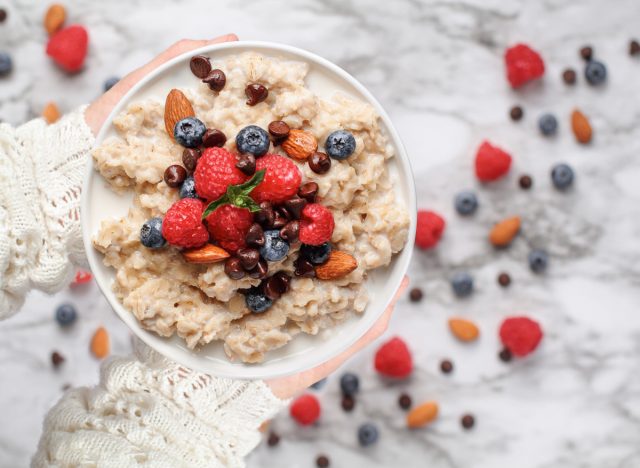
Speaking of breakfast, oats are an excellent source of fiber and also contain some resistant starch. These prebiotic effects of oatmeal, and especially the beta-glucan fiber they contain have been documented to support healthy gut bacteria and improve blood cholesterol levels.
Oats can be eaten cooked or raw (like in overnight oats), added to your favorite baked goods, blended into a smoothie, or enjoyed as a traditional bowl of warm oatmeal and combined with another source of prebiotics, like a banana.
Apples
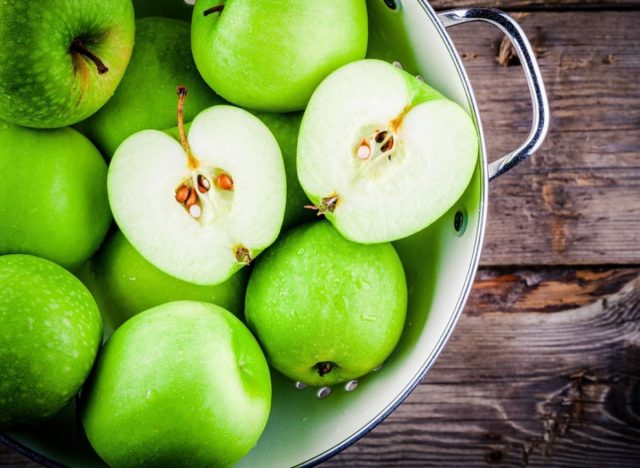
Another fruit with prebiotic benefits, apples can easily be incorporated into meals and snacks for their natural sweetness, satisfying crunch, and health benefits. Apples contain pectin, which is another source of soluble fiber that serves as a prebiotic. Dietary pectin can increase the amount of butyrate in your gut which feeds the beneficial probiotics and reduces the number of negative bacteria in your gut.
Enjoy apples with nut butter as a delicious snack, add to a salad for sweetness and crunch, or cook to make a fruit-based dessert.
Flaxseeds
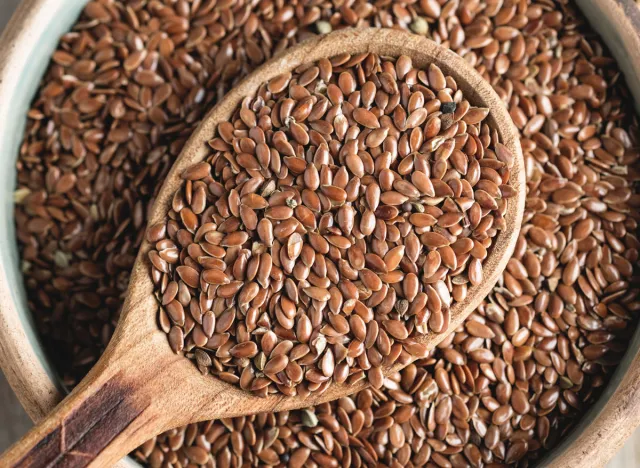
If you enjoy smoothies, flaxseeds are a great ingredient to add to your blender. These seeds provide beneficial omega-3 fats and antioxidants, and are also a source of prebiotics. Because of their fiber content, flaxseeds can support healthy gut bacteria and encourage digestive regularity.
You can eat flaxseeds whole or ground. Add them to smoothies, incorporate into baked goods, or sprinkle over your oatmeal.
Asparagus
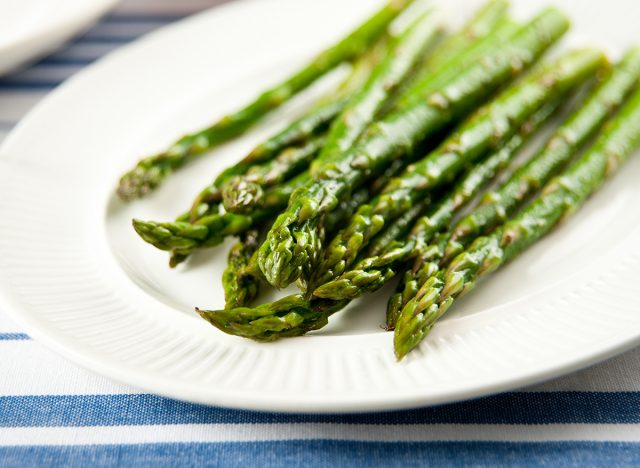
This green vegetable contains inulin, the soluble fiber that serves as a prebiotic. This fiber feeds the Bifidobacteria in your gut which is just one of the beneficial gut microbes in your digestive tract. Research also suggests asparagus may have anti-inflammatory properties, allowing it to provide another level of health benefit beyond its prebiotic function.
Enjoy asparagus raw or cooked in your favorite savory dishes.
Wheat products
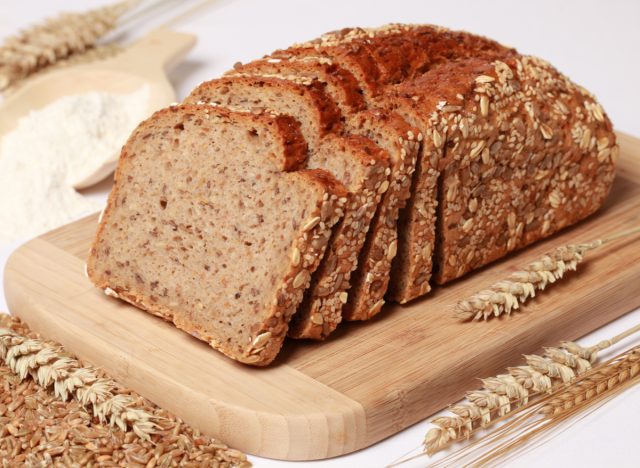
Foods that are made with wheat bran, which include cereal, bread, and so much more, also provide prebiotic functions. The specific form of fiber in wheat bran supports the healthy Bifidobacteria in your gut which can encourage overall digestive wellness and may alleviate some digestive problems.
When choosing wheat-based foods, like pasta, breads, and crackers, look for those that contain whole wheat as a primary ingredient.
Beans
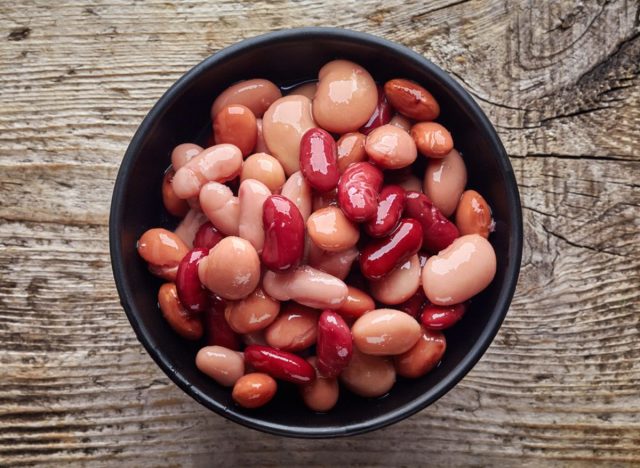
With many varieties to choose from in this category, beans are a great source of fiber and prebiotics. One study noted that regular consumption of navy beans leads to improvements in their gut microbiome. This outcome is thought to prevent cancer and may benefit other areas of digestive health.
Navy beans aren’t the only legume with notable soluble fiber, so consider adding beans to your favorite salad and soup recipes, enjoy as a side dish to lean protein and vegetables, and prepare with other prebiotic sources, like onion and garlic for a meal packed with benefits.