
Share this @internewscast.com
Rosie van Amerongen found herself scrambling through the baggage drop at Stansted Airport, gripped by an overwhelming fear for her life as the voices in her head insisted that the Devil was chasing her.
In truth, Rosie was caught in the throes of a psychotic episode, which eventually led to her arrest, being placed under a mental health hold, and receiving a bipolar disorder diagnosis.
Reflecting on the incident, Ms. van Amerongen recalled, “I plunged into a full-blown psychosis at Stansted Airport, leaped over the baggage drop-off, and was subsequently arrested.”
“The hallucinations were deafening at that moment,” she continued. “Voices were warning me that Satan was on his way.”
Up until that dramatic day, Ms. van Amerongen had no indication of her struggle with this mood disorder, known for its sudden and dramatic shifts in emotions and energy.
In hindsight, she recognizes signs of the condition, which, according to Bipolar UK, affects approximately 1 in 50 individuals across the nation.
Growing up in Stroud, Ms van Amerongen, now aged 29, said she quickly recognised she was different from her peers and was often labelled as ‘reactive’ and ‘sensitive’.
She said: ‘One of the earliest signs was when I was 15 I had a friend who developed anorexia, and I got more upset by the situation than she did.

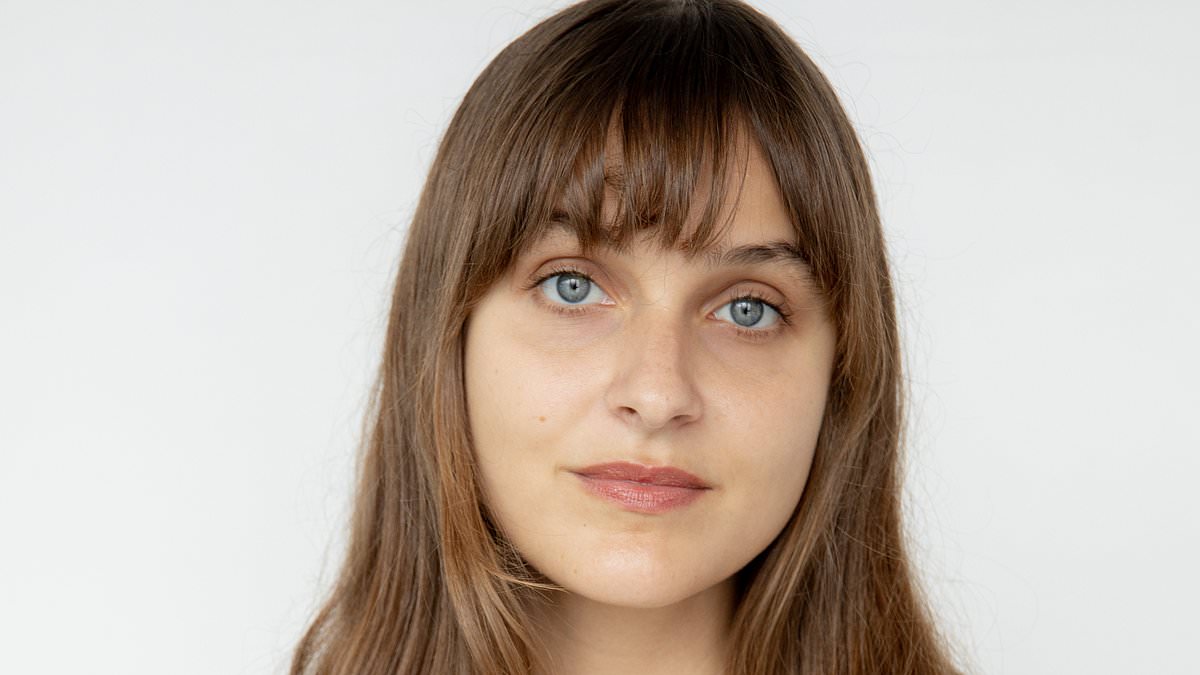
Rosie van Amerongen was diagnosed with bipolar after she was sectioned in her early 20s
‘I ended up having to take some time off school because I was so anxious about seeing her deteriorate.
‘I remember the word sensitive started being attached to me. Everyone was like “oh Rosie’s so sensitive”, and when a family member became unwell I couldn’t handle it and I kept having breakdowns.
Ms van Amerongen was working as a model aged 21 when these highs and lows intensified, triggering a spiral of events that culminated in her airport crisis point.
‘I was in a really loving relationship, and overnight something just flipped in my head,’ said Ms van Amerongen.
‘For eight months, I was navigating the worst anxiety and depression I had ever experienced which meant I had to stop working and was constantly calling ambulances and having panic attacks.
‘I was put on SSRIs and it felt like being on cocaine. I couldn’t sleep or concentrate and my heart felt like it was beating at a million miles an hour all the time. I lost faith that I would ever feel normal again.
‘When I’m low, it’s beyond tears. My eyesight, my sense of smell, everything is heightened.’
After her partner broke up with her during a severe low, Ms van Amerongen said she remembers feeling a distinctive internal shift, which she initially thought was recovery from depression but later recognised as hypomania.

She now wants to raise awareness of the mental health condition – and reduce stigma
‘My thoughts suddenly became so positive and grateful that I’d overcome this illness and my language became very spiritual. Then it flipped into delusion,’ shared the former model.
‘I started thinking I was a reincarnation of a sibling who had died and was manically posting on Instagram saying that I’d been sent by God.’
Psychosis is a serious mental illness where a person loses touch with reality, often involving symptoms like hallucinations and delusions which can cause them to pose a danger to themselves or others.
Ms van Amerongen believes that ‘reaching crisis point signalled that I needed help’.
Once she had been sectioned, which means being admitted to hospital for your own safety, she stayed under the supervision of nurses who helped her manage her symptoms in the height of mania in a safe environment.
She said: ‘I don’t remember much of my time in there, but afterwards I learnt that I would have support for the rest of my life and that I didn’t have to manage it alone.
‘Initially it was excitement and this feeling of relief that I hadn’t been mad my whole life and that something was different, but then came seven months of crippling depression and suicidal thoughts.
‘At 21, I just wanted to be normal.
‘It was a horrible experience to go through a diagnosis, and I just feel so sorry for someone at that age, because no one can promise you as well that you’re going to have a stable life. It was the worst time of my life.’
Since getting diagnosed with bipolar, Ms van Amerongen has noticed a stigma of shame and misunderstanding around the condition.
‘That first month out of hospital, everyone started to speak to me in a hushed voice, there was so much shame around it,’ said Ms van Amerongen.
‘I was also met with a lot of silence, people just didn’t want to talk about it and that just embedded this feeling that I had done something wrong. That just fuels those thoughts that everyone will be happy without you, that you’re a burden.’
For Ms van Amerongen, getting prescribed the right medication was a real breakthrough moment.
‘My medication – anti-psychotics, which have mood stabilisers in – was the biggest breakthrough, because it gave me the energy to sleep properly, but to not over sleep,’ said Ms van Amerongen.
‘I think sleep is number one for managing bipolar. If you’re getting the right amount of hours, you’re going to be feeling so much better.’
Peer support has also made a huge difference for Ms van Amerongen, who was connected to other women living with bipolar in London through Bipolar UK.
‘I think it is just that breadth in mood and the extremes which bonds people with bipolar,’ said Ms van Amerongen.
‘It brings out different parts of people’s personalities and you feel things on a level which is overwhelming.
‘Having a community of girls in London of a similar age who also have bipolar has been a big turning point for me.
‘It means that when I have a bad day, someone can actually understand what I’m going through, which is really incredible.’
Ms van Amerongen added that although she struggled with her mental health from a young age, she was always mindful to conceal it from those around her.
‘When I look back at that time, in videos I seem super happy in the way I presented myself, but I knew that I was masking from quite a young age,’ she said.
‘I was someone who would hate for anyone in the world to know how depressed I was, except from my mum.’
She described this masking process as physically and mentally exhausting.
‘Masking is just like acting,’ said Ms van Amerongen.
‘I just didn’t feel like I could ever show that I was depressed or high. The energy it takes to mask it is so exhausting that you just burn out a lot.’
After learning more about bipolar disorder over the past few years and becoming a Bipolar UK ambassador, she has come to understand that everyone experiences the condition differently, though intense highs and lows are a common thread.
According to a survey conducted by Bipolar UK last year, 85 per cent of respondents believed their experiences with stigma have caused them to think less about themselves and their abilities.
Ms van Amerongen hopes that by continuing to share her story online and through her role as a Bipolar UK ambassador, she can help other people feel less alone and address common misconceptions around this condition.
‘I want people to know that anyone can have bipolar. It can affect kind people, shy people, women, men – it doesn’t discriminate,’ said Ms van Amerongen.
‘I think women are often scared to admit to having bipolar, because they might be speaking at 100 miles an hour, experience crippling depression and experience highs where everyone finds you quite intense.
‘I’m so at peace with that now, but I want young women to know that it’s totally normal and it’s not something to be embarrassed by. You don’t have to manage this alone.’