At one time or another, you’ve likely dealt with dreaded muscle cramping while working out, which could totally destroy your workout. According to research published in Sports Medicine, muscle cramping is a temporary, but often intense and uncomfortable “involuntary contraction” of the skeletal muscle that can arise due to a multitude of reasons. That’s why we chatted with fitness trainer and C4 Energy brand ambassador, Cormac Murphy, who shares with us the most common reasons you cramp while working out—and how to fix it.
“It’s essential to address these factors to reduce the risk of cramping during exercise and ensure a safe and effective workout,” Murphy stresses. So keep reading to learn what he has to say about the reasons you cramp while working out and what you can do to alleviate the discomfort. And when you’re finished, be sure to check out these 7 Essential Exercises for Men To Prevent Muscle Loss After 50.
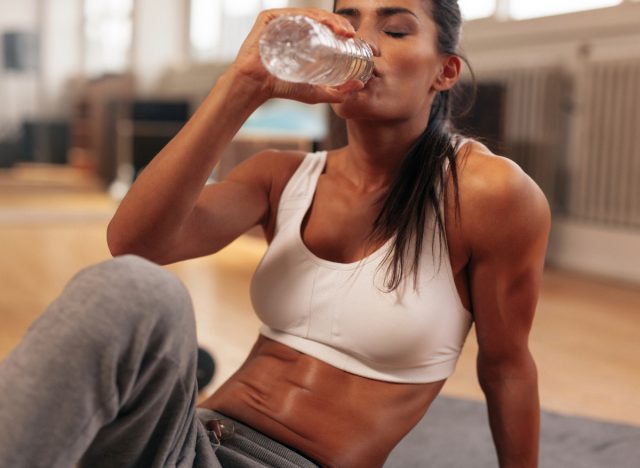
When it comes to your workouts and overall health, the benefits of staying hydrated can’t be denied. Drinking plenty of water ensures your body stays functioning to the best of its ability, keeps you fit, boosts your energy, keeps hunger and cravings at bay, and serves as a refreshing thirst-quencher. So it should come as no surprise that being dehydrated can take a toll on your body.
“Inadequate fluid intake before or during exercise can lead to muscle cramps as it affects electrolyte balance and impairs muscle function,” Murphy explains. “Dehydration is a common cause of muscle cramps. Ensure you’re drinking enough water throughout the day, especially if you’re physically active or in hot weather.”

Essential minerals and electrolytes such as magnesium, sodium, potassium, and calcium play a key role in how your muscles function, Murphy tells us. Being deficient in them can disturb muscle contraction and cause cramping during your workouts.
How to fix this? Maintain a proper electrolyte balance! “Eating a balanced diet that includes foods rich in these electrolytes can help prevent cramps,” Murphy says. “Bananas, leafy greens, nuts, and dairy products are good sources.”
Overtraining or over-exerting yourself is a major training no-no for many reasons, one of them being this bad habit can result in unwanted muscle cramping. “Pushing your muscles too hard or performing strenuous exercises without a proper warm-up can lead to muscle fatigue and cramping,” Murphy points out. “Gradually increase the intensity and duration of your workouts to allow your muscles to adapt.”
Read Related Also: An Intimidation-Free Roadmap for Improving Your Relationship With Food, According to Anti-Diet Nutrition and Mental Health Experts
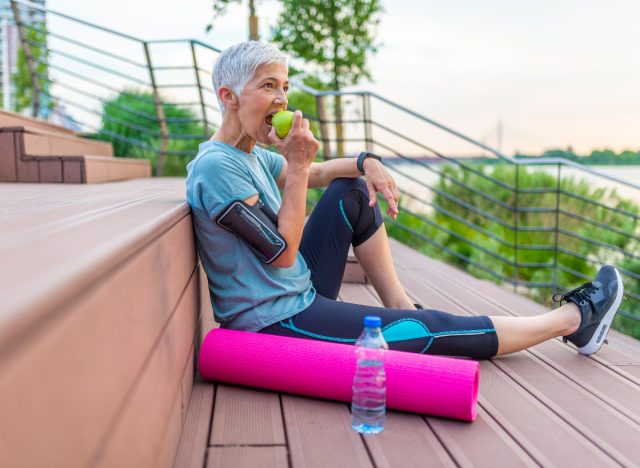
Feeding your body with the right nutrients to fuel your workouts is incredibly important. In fact, Murphy points out, “Inadequate intake of nutrients like carbohydrates and protein can affect muscle function, increasing the likelihood of cramps during exercise.”
Along with foods that are rich in electrolytes, make sure you’re following an all-around well-balanced diet that offers plenty of minerals and vitamins. “A well-rounded diet can help prevent nutritional deficiencies that may lead to cramps,” Murphy adds.
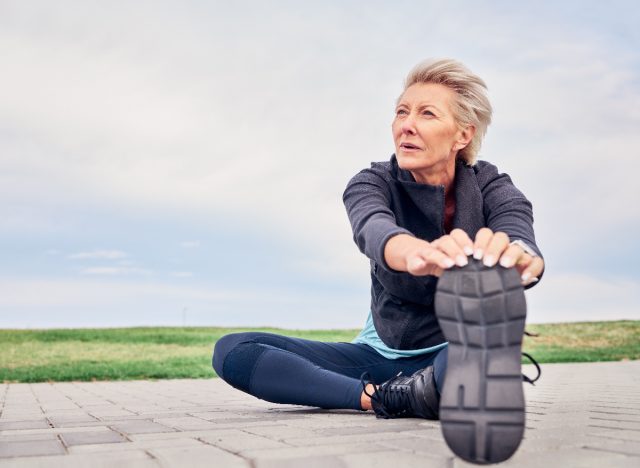
Skipping warm-ups and cool-downs is a common fitness mistake—and it can be detrimental to your overall progress. Not stretching before or after workouts can make your muscles tense and leave them more susceptible to cramping when you exercise.
This one’s an easy fix—start stretching on a regular basis! “Stretching your muscles can help prevent cramps, especially before and after exercise,” Murphy stresses. In addition, “Before engaging in strenuous physical activity, warm up your muscles gradually. This helps improve blood flow and prepares your muscles for more intense work, reducing the risk of cramps.”
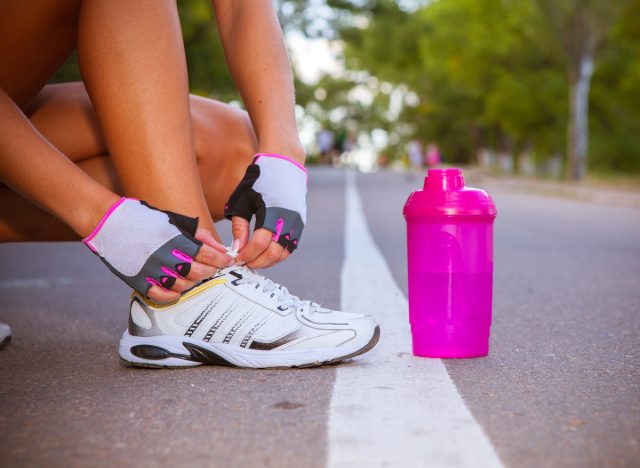
You may not think your footwear would play a role in muscle cramping—but it does. According to Murphy, “Ill-fitting or worn-out shoes can lead to poor foot support, altering your gait, and causing cramps in the legs or feet.”
It’s always a smart idea to chat with a fitness trainer about the best training shoe options for you. And if you do experience cramping in your feet (or any area of your body, for that matter), Murphy suggests gently massaging the muscle that’s cramping to help soothe and relax it. In addition, he notes, “Applying heat (e.g., warm compress) or cold (e.g., ice pack) to the affected area can sometimes provide relief from muscle cramps.”


