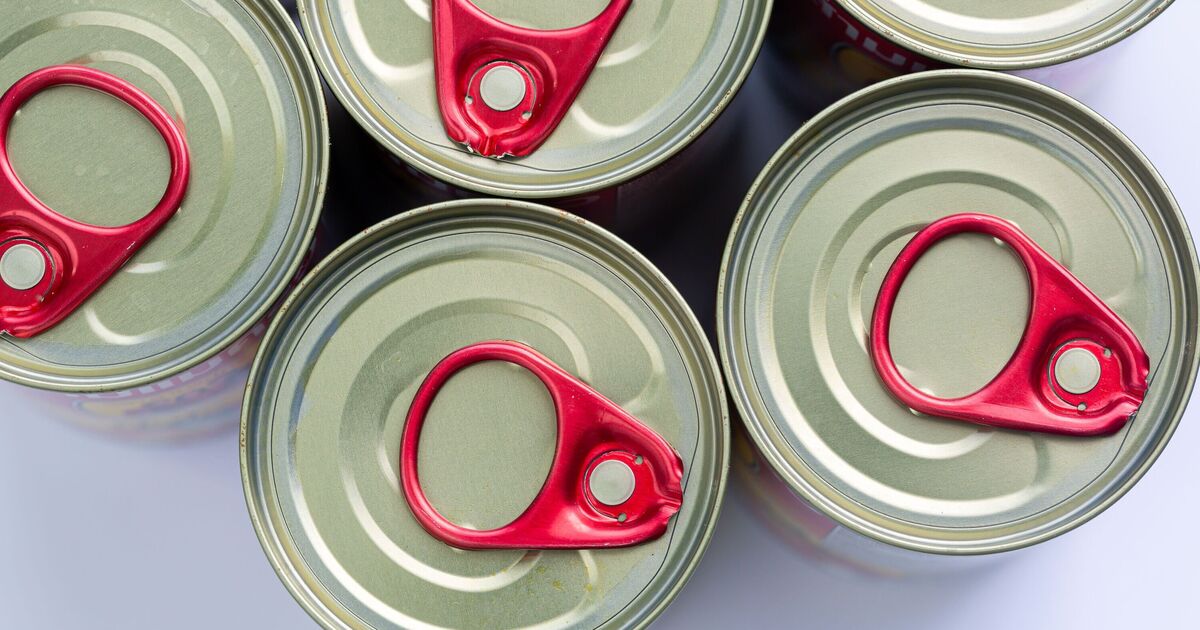

Tinned fish offers an excellent protein source that can enhance your health and dietary habits. Often more affordable than meat and fresh fish, certain canned varieties are rich in omega-3 essential fatty acids (EFAs), which help lower ‘bad’ cholesterol and support brain function. Incorporating tinned fish into your meals is simple and beneficial.
But how can you determine the most beneficial type of tinned fish? Consumer advocates at Which? analyzed 93 different products to identify those packed with the highest omega-3 content, highlighting their advantages and any potential downsides.
In addition to being a protein powerhouse, tinned oily fish is a treasure trove of vitamins D and B12, calcium (from edible bones in some cans), and omega-3 EFAs.
The experts explained: “Omega-3 EFAs are a group of polyunsaturated fatty acids, consisting of three types. Two of these, EPA and DHA, are present in oily fish. The third, ALA, is found in plant sources like flaxseed. EPA and DHA are vital for the health of the heart, lungs, blood vessels, hormones, and the immune system. Since the body cannot produce them, dietary intake is essential.”
Try this fish
After examining prices and nutritional data from 93 tinned fish products available online or in-store by November 12, 2025, Which? determined that “mackerel, sardines, and salmon contain the highest omega-3 levels among tinned fish.”
The report detailed: “Our analysis of over 90 products confirmed this general trend, yet significant variations existed within each fish type and across brands and recipes. For instance, Princes skinless boneless wild red salmon has 900mg of omega-3 per 100g, while Sainsbury’s skinless boneless wild Pacific red salmon offers nearly double at 1,600mg per 100g.”
And in good news, the Sainsbury’s salmon costs just £3.20 compared to the Princes salmon which costs £5.25. The experts continued: “Kippers, skippers, brisling, sild and sprats (all types of herring) plus pilchards (older, larger sardines) are other good choices for omega-3 you can find in the tinned fish aisle. Tinned anchovies are also classified as oily fish, but are often high in salt, so use them sparingly.
“Tinned crab contains omega-3s; the amounts are low, so it doesn’t count as one of your oily fish portions. As for tinned tuna, being cooked before canning drastically reduces omega-3 levels, although some are still present, but not at the levels found in other tins tested.”
Fresh or tinned fish
The experts stressed that whilst ‘tinned’ and ‘fresh’ fish isn’t either better or worse for you, there are adventages and disadvantages people may want to condisder such as shelf life, sustainability and nutritional content. Whilst tinned can be cheaper, it also benefits from being “a moresustainable choice, plus natural omega-3 oils are preserved by the canning process.” When it comes to fresh fish, the flavour and texure may be better. It also has no “added ingredients or processing” but it’s all to do with personal preference.
How much fish should I have?
According to the NHS, a “healthy, balanced diet should include at least 2 portions of fish a week, including 1 of oily fish. Most of us aren’t eating this much. A portion is around 140g (4.9oz). However, for certain types of fish, there are recommendations about the maximum amount you should eat.
The following people should eat no more than 2 portions of oily fish a week:
- girls
- women who are planning a pregnancy or may have a child one day
- pregnant and breastfeeding women
The NHS explained: “This is because pollutants found in oily fish may build up in the body and affect the future development of a baby in the womb.”
Am I having too much salt?
The NHS noted that adults should have no more than 6g of salt a day (around 1 level teaspoon), and of course babies should have none “because their kidneys are not fully developed and cannot process it.” The suggested six grams per day includes the salt that’s already in our food and the salt added during and after cooking.
Maximum recommended salt intake
| Age | Amount |
|---|---|
|
11 years old and over |
No more than 6g (around 1 teaspoon) |
|
7 to 10 years old |
No more than 5g |
|
4 to 6 years old |
No more than 3g |
|
1 to 3 years old |
No more than 2g |
|
Under 1 year old |
Less than 1g |
Is your diet rich in fresh or tinned fish? If so, what do you pop in your shopping basket? Let us know in the comments.