
Share this @internewscast.com

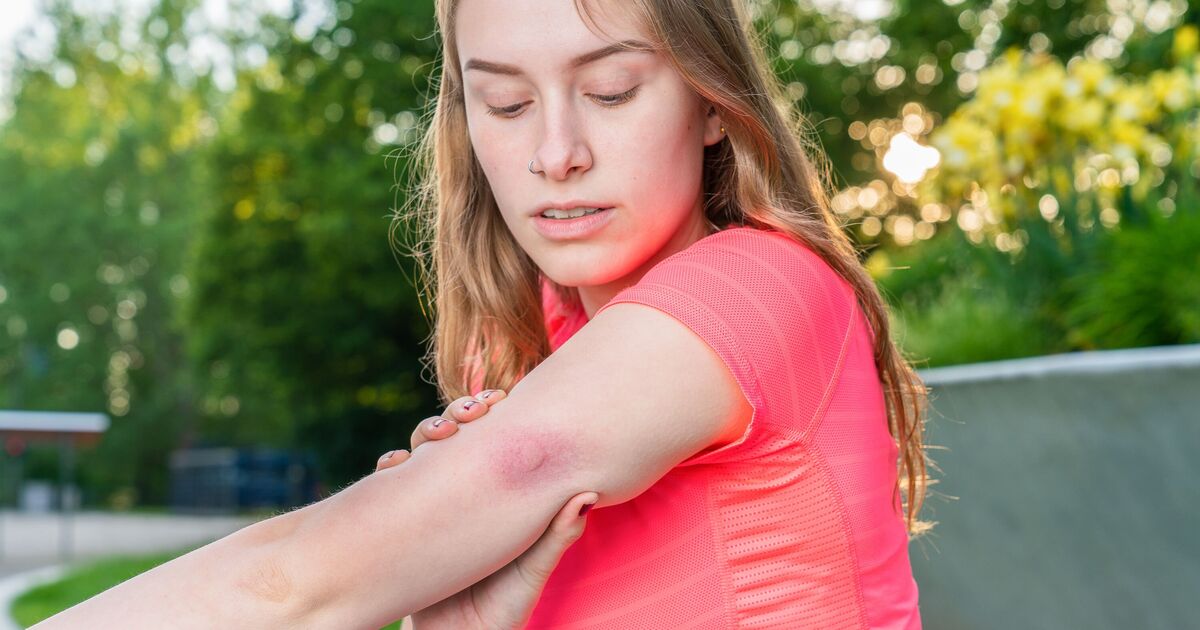
Biting insects are increasingly going to bother us in the UK thanks to temperature rises (Image: Getty)
There was once a period when the fear of being bitten or stung was largely absent unless one was venturing overseas. However, times have changed. Recent trends in milder winters, hotter summers, and increased rainfall have led to a surge in biting and stinging insects. The reality is that we are now facing a rising threat domestically.
Ticks, which are associated with bacteria that cause Lyme disease, have become a significant concern, prompting the UK Health Security Agency (UKHSA) to initiate a national Surveillance Scheme. Mosquitoes, stinging flies, and hornets, while not entirely usual, have become more frequent. Experts caution that their numbers are likely to increase if climate change continues to bring about warmer, wetter summers and milder winters here.
Dr. Tim Bond, an adviser to Puressentiel, remarks: “Many assume that significant risks from insect bites and stings only occur abroad in exotic locations, but that is not the case. In the UK, the threat is quite real and, at times, potentially life-threatening. Due to climate change, stinging and biting insects now have an elongated thriving season, increasing the likelihood of insect-borne diseases.”
With temperature changes, some insects that were previously active only during warmer months are now being observed from early spring through late autumn. As their habitats expand and they become more active, the risk to human health also rises.
Dr. Bond highlights: “Ticks are particularly concerning. They feed on the blood of birds and mammals, including humans. These small, spider-like parasites are being monitored through the UKHSA’s Tick Surveillance Scheme, which keeps track of their spread and activity nationwide.
“A few ticks carry the bacteria that can lead to Lyme disease, a severe condition associated with symptoms like intense fatigue, joint pain, and low energy – these symptoms can persist for years. Therefore, besides using repellent products to prevent a tick bite, it is crucial to promptly remove a tick to minimize the risk.”
Holidaymakers heading overseas also need to remain on high alert. Mosquito-borne diseases such as dengue fever, malaria and Zika virus, can be fatal. Dengue can lead to high fever, severe headaches and joint pain, while malaria can cause fever, chills, fatigue and even death. Zika virus can cause mild symptoms such as a rash and fever but is a concern in pregnancy due to its link with birth defects.
Though they are not spread in the UK, health professionals are seeing cases of exotic mosquito-borne diseases brought into Britain. A recent warning by UKHSA also revealed a rise in chikungunya infections caused by mosquito bites while travelling abroad. Typically found in subtropical regions of the Americas, Africa, South East Asia, India and the Pacific, this can leave people struggling with joint aches for several years.
Dr Bond adds: “Due to these risks, here in the UK and overseas, it’s incredibly important to protect yourself and your family when it comes to bites and stings.”
And even with staycations, countryside walks and festivals, it’s essential to be better informed about the bugs in our own back gardens, parks and nature reserves.
Here Dr Bond shares expert tips to prevent bites and stings:
1. Avoid an open invitation
“Why make it easy for insects and bugs to enter your home? Instead, keep windows and doors shut at dusk, when mosquitoes thrive. Fine mesh screens allow for airflow, if you find closed doors and windows leave your home too hot. A fan in your room can also help to bat mosquitoes away as they are weak fliers and won’t have the strength to fight the airflow.”
2. Turn to natural repellents
“Rather than turning to synthetic products, which can be neurotoxic and irritating at high doses while often offering short periods of effectiveness at low doses, try natural ingredients.
“Java Citronella and Eucalyptus citriodora, which have been studied for their natural repellent properties, can be found in Puressentiel Bite and Sting Tropical Strength Repellent Lotion. Lemon eucalyptus essential oil, with its powerful active ingredient of vegetal origin (Citriodiol), is in Puressentiel Bite and Sting Repellent and Soothing Spray, and has been studied for its effectiveness against insect bites and stings, particularly as a repellent.”
Puressentiel Bite and Sting Repellent Spray for sensitive skin is scientifically proven to provide effective and gentle protection for sensitive skin, including babies from six months. It’s also dermatologically and pediatrician tested and provides up to four hours of protection from ticks and up to six and a half hours protection against mosquitoes.
3. Ditch standing water
“Whether it’s a plant pot saucer, a clogged gutter or a neglected bird bath, stagnant water is a breeding ground for mosquitoes. Plus, there doesn’t need to be much water for mozzies to breed and grow. Clear out water collecting vessels in the garden, especially after rainfall. New eggs can develop into adult mosquitoes in seven to 10 days, so do a sweep of your garden regularly.”
4. Dress for defence
“Whether you’re out on a walk or in the garden, it’s wise to cover your skin with lightweight trousers and long-sleeved tops for an extra line of protection. The colour of your clothes can have an impact on your chances of attracting insects. Neutral, light colours are least attractive to mosquitoes.”

Dr Tim Bond of Puressentiel advises on dealing with bites (Image: Supplied)
5. Swap your lights
“Mosquitos and other bugs are typically more drawn to bright or bluer-toned lights, which is why you might see them flying around bright porch lights. Warmer, yellow LED lights are less attractive and may reduce the number of insects. If possible, swap bright bulbs for warmer, dimmer lights.”
6. Keep your garden tidy
“Although ticks can live in several different outdoor environments, it’s grassy and wooded areas that attract them the most, even more so if these areas are damp. That’s why regularly mowing the lawn, trimming hedges and raking up leaves will make your garden much less of a tick-friendly environment. If you’re out hiking, camping or cycling, wear lightweight clothes that cover your legs and arms.”
7. Soothe with oils
“If you do get bitten, then you may find it itchy and uncomfortable. Luckily, natural ingredients can help soothe bites and stings. The eight organic essential oils including tea tree, clove, geranium and lavender, found in The Puressentiel Bite and Sting Soothing Cream help to reduce inflammatory allergic reactions by 35%.”