Share this @internewscast.com
The market for anti-aging and longevity supplements is experiencing a significant surge, with Americans collectively investing millions of dollars annually in these products.
Among the top choices in this burgeoning sector are derivatives of vitamin B3, including nicotinamide mononucleotide (NMN), nicotinamide riboside (NR), and nicotinamide (NAM).
These B3 derivatives are frequently consumed for their purported benefits, which include boosting energy levels, enhancing brain and heart health, and slowing the aging process. They are highly regarded for their potential to increase NAD+ levels, a molecule vital for metabolism and cellular repair.
Preliminary research suggests that boosting NAD+ levels might provide cells with extra energy, potentially preserving the health of youthful cells or extending the vitality of existing cells.
However, recent findings from a study conducted by Case Western Reserve University School of Medicine suggest that NAD+ might not always be beneficial. In some individuals, rather than improving health, it may actually pose risks.
For cancer patients, the study indicates that while NAD+ supplies healthy cells with energy, cancer cells may exploit this additional energy to enhance their own metabolic processes, effectively ‘hijacking’ the fuel to bolster their growth.
This allows cancer cells to repair any damage done by chemotherapy and avoid the cell death intended by the drugs. As a result, tumors are more likely to survive doses that would have otherwise killed the disease, researchers discovered.
Published in the journal Cancer Letters, the study found the supplements, especially NMN, protected pancreatic cancer cells from three common chemotherapy drugs.

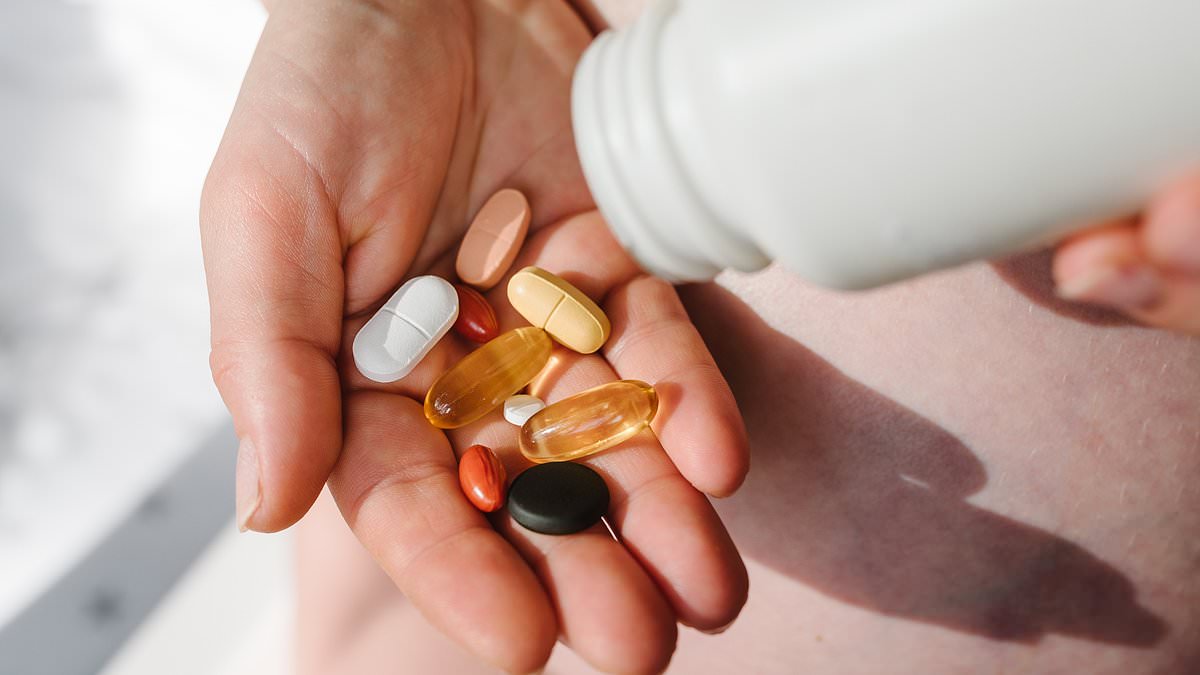
NAD+ is a common over-the-counter supplement used for its purported longevity and anti-aging effects. Pictured above is one NAD+ supplement widely available for purchase online for about $25
Jordan Winter, study author and co-leader of Case Comprehensive Cancer Center, said: ‘Our findings highlight a potentially concerning role for NAD+-boosting supplements in the context of an active cancer, especially when used in conjunction with chemotherapy.
‘Our discovery is a call to action for the medical community.’
The findings come as pancreatic cancer, which kills nearly 80 percent of patients within five years, has surged in young Americans. Between 2000 and 2021, pancreatic cancer diagnoses increased by 4.3 percent per year among Americans ages 15 to 34, and by 1.5 percent annually among those ages 35 to 54, according to a 2025 analysis.
Experts have noted the disease is particularly challenging to treat because it is often diagnosed in stages three and four due to having subtle, easy-to-dismiss symptoms such as abdominal pain, pale stools and unexplained weight loss.
The potential harm from NAD+-boosting supplements could therefore make pancreatic cancer even more difficult to treat.
NMN, NR and NAM, as well as standalone NAD+, are sold over-the-counter as supplements, most commonly in pill and capsule form.
Prices can vary from as little as $18 to over $100. Longevity guru and biohacker Bryan Johnson sells a powder ‘longevity mix’ with a vitamin B complex and NR for $98.
Supermodel Kendall Jenner has also spoken about receiving NAD+ infusions as part of her wellness routine.

Biohacker Bryan Johnson (pictured above in 2025) sells a ‘longevity mix’ with a vitamin B complex and NR for $98
Research has suggested improvements in energy, cognition and metabolic health in study subjects taking NAD+.
For the Cancer Letters study, researchers tested the substances in people with pancreatic cancer.
They found the supplements strengthened cancer in three ways: by boosting cancer cell energy, which made tumors stronger and more resilient; by reducing oxidative stress in tumors, which is a key mechanism by which chemotherapy kills cancer cells; and by suppressing DNA damage and cell death, which blocks how chemotherapy works against malignancies.
Researchers stressed that their findings do not suggest the supplements are dangerous to healthy people, but that ‘for active cancer patients – particularly those on chemotherapy – the risks are serious and demand immediate attention.’
Winter added: ‘This research is a critical reminder that “natural” doesn’t always mean safe, especially in the complex biology of cancer treatment.’
Based on their results, the researchers are calling for cancer patients to be screened for supplement use and for further research into the interaction between NAD+ supplements and cancer treatments.
Additionally, Winter said it is important for cancer patients to discuss risks with their doctors and medical team.