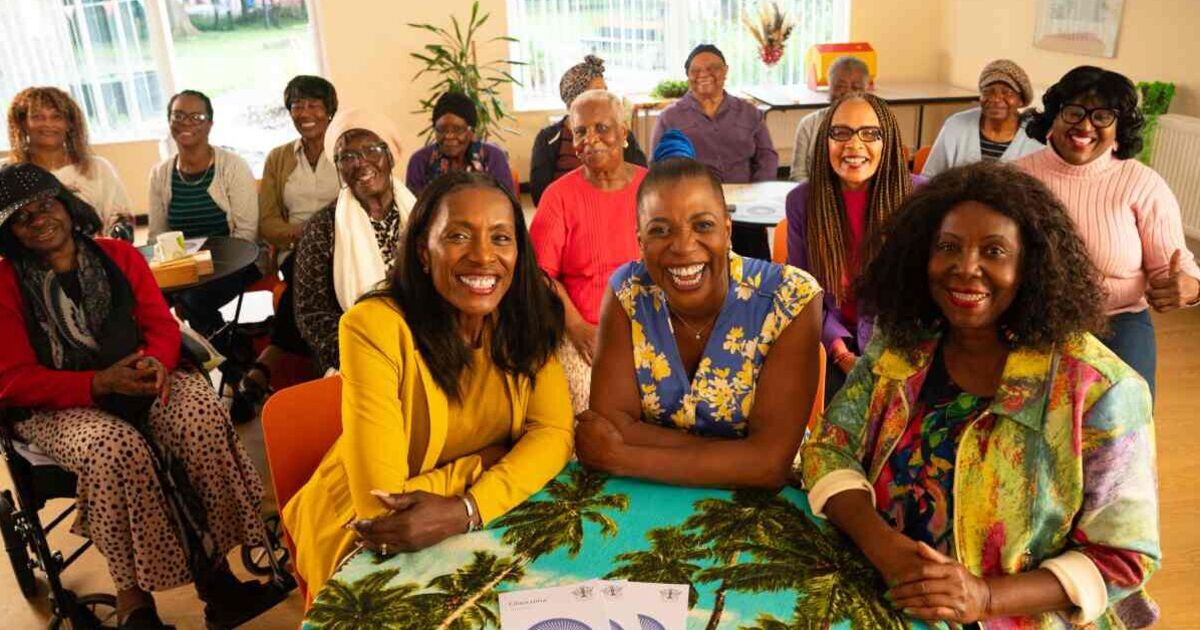

Brenda Edwards, a star of Loose Women, is calling on Britain’s ‘aunties’ to join the fight against preventable sight loss within African-Caribbean communities. The well-known TV figure disclosed that glaucoma—a condition capable of causing lasting vision impairment—runs in her family, and that individuals with African-Caribbean heritage are up to four times more susceptible to this condition.
Her call to action comes in light of findings showing African-Caribbean adults are 33% more likely to delay or skip medical appointments, including visits to general practitioners and eye exams, when compared to other groups. Nonetheless, 78% of those surveyed suggested that advice from older, respected female figures—commonly referred to as ‘aunties’—would influence their healthcare decisions.
The singer and presenter, in collaboration with Specsavers, stated: “Aunties have long been pillars of their communities, offering prayers, meals, and support. It’s time they also encourage their loved ones to undergo eye tests—since they are the voices that will be heeded.”
“With glaucoma being prevalent in my family, I understand the critical nature of regular eye checks,” she added, “So, heed your auntie’s advice and schedule an eye exam today, even if your vision seems flawless.”
“I’m not asking now, I’m telling you – pass the message on.”
Glaucoma UK’s development manager, Robyn Asprey, has highlighted a concerning trend: the number of individuals affected by glaucoma is expected to soar by 44% between 2015 and 2035.
“African-Caribbean individuals have up to four times the likelihood of developing glaucoma,” she mentioned, “And while it is more frequently seen in older adults, glaucoma can impact people of any age.”
“That is why we need to raise awareness of glaucoma amongst higher risk communities and ensure people can access the eye care they need, in an equitable and timely manner.”
Alarmingly, nearly half of Brits remain oblivious to the risks or warning signs of glaucoma. A fifth confessed it had been two years or longer since their last eye check – while one in twenty shockingly admitted they’d never had one at all.
But the study of 2,000 adults – including 500 from African-Caribbean backgrounds – found 71 per cent believe health advice carries more weight when delivered by someone sharing their cultural heritage.
Ebahi Demi Ejegi, an optometry director at Specsavers Sidcup, added: “Glaucoma can develop slowly over time without obvious symptoms, meaning many don’t realise there’s a problem until irreversible damage to their vision has already been done.
“That’s why regular eye checks are so important – they’re not just about checking your vision, they’re vital to catch conditions like glaucoma early.”


