
Share this @internewscast.com
As a urologist, I specialize in addressing incontinence and bladder issues that arise from neurological disorders like Parkinson’s disease, multiple sclerosis (MS), and spinal injuries—ailments commonly found in older demographics.
However, in recent years, my practice has seen an unexpected surge of younger patients. Teenagers and individuals in their early 20s are coming in with severely damaged bladders, requiring significant reconstructive surgeries typically reserved for severe cases such as spinal injuries, including complete bladder removal.
The culprit behind this alarming trend? Ketamine.
This inexpensive club drug is wreaking havoc on young lives in ways many users never anticipated.
Ketamine is expelled from the body through urine, where it lingers in the bladder, turning toxic to its lining.
Just weeks of consistent use can leave the bladder chronically inflamed and ulcerated, resulting in excruciating pain. I’ve encountered patients who need to urinate every ten minutes, enduring unbearable pain each time they attempt to relieve themselves.
Urology departments across the country are already stretched very thin, because we’re facing severe staff shortages and unprecedented waiting lists – and the surge in ketamine cases has been massive: it has quadrupled in the area I cover, an increase my colleagues and I are simply not equipped to handle due to the complexity of the damage and impact of addiction.
The youngest patient I’ve seen started using ketamine at just 12 years old. Most patients are in full-time employment, ordinary young people who thought they were making a harmless choice.

Ketamine is a cheap party drug that’s destroying young lives in ways most users never imagined
Here’s what many don’t realise: ketamine is particularly dangerous because it damages the one organ system it passes through – your urinary tract, which includes the bladder.
The drug is broken down in the liver and excreted in urine, which means it sits in your bladder.
Over time – and I’m talking as little as weeks or months of sustained use, depending on how much and how often someone uses – the bladder becomes inflamed and ulcerated.
The lining breaks down. The muscle wall thickens and scars, a process called fibrosis.
The bladder then shrinks. A normal bladder holds around 500ml of urine. My ketamine patients often have bladders that hold just 50-70ml – barely three tablespoons.
The result? They need to pass urine every ten to 15 minutes. They experience desperate urgency. Many become incontinent.
The inflammation causes blood in the urine and excruciating pain that worsens every time they try to empty their bladder.
I’ve had teenagers arrive wearing adult nappies. Young people losing jobs because they can’t sit through meetings. Some bleeding so heavily the toilet bowl looks full of blood.
And here’s the cruel irony: because ketamine is an excellent painkiller (it was originally developed as a horse tranquiliser, but it’s used medically for anaesthetics, pain relief and epilepsy), many of my patients start using more of it to manage the very pain it’s causing. It becomes a vicious cycle.
What’s particularly insidious about ketamine damage is that you can develop symptoms within weeks or months, or it might take years. There’s no way to predict who will or won’t develop problems.
By the time patients seek help – often delayed because of the stigma around both drug use and incontinence – significant damage has already occurred.
Many have already been treated with multiple courses of antibiotics by their GP (because they didn’t tell their GPs they were taking ketamine and their GP assumes they have a urinary tract infection) over six to 12 months before they’re referred to me, all the while continuing to use larger doses of ketamine to cope with their pain – and crossing the threshold into irreversible damage.
When the bladder damage is severe enough, the inflammation and high pressure in the organ can cause urine to back up into the kidneys, or patients develop strictures – narrowings – in the ureters, the tubes that drain urine from the kidneys.
This can lead to kidney failure. I’ve had to insert nephrostomy tubes – external drainage tubes directly into the kidneys – to prevent complete renal failure in young people who should never have these problems.
The drug doesn’t just damage the bladder – it’s toxic to tissues throughout the body.
Beyond the urinary system, I’ve seen patients with liver failure from ketamine cholangiopathy – scarring of the bile ducts – as well as heart failure, severe abdominal cramping, rectal prolapse, and erectile dysfunction in men. (It’s not clear why they develop heart failure; the cramping is irritation from inhaling it; the rectal prolapse is a combination of chronic constipation and some patients strain when they pass urine because it helps with pain; erectile dysfunction may be related to pain on ejaculation, although this is not clear.)
I’ve sadly had deaths from renal, liver and heart failure.
Dealing with the bladder problems (such as people having to wear incontinence pads and sexual dysfunction for instance) can also have a significant impact on young people’s mental health.
Now here’s the fundamental problem: although ketamine causes devastating urological damage, this isn’t a urology issue to solve. It’s an addiction problem.
Surgical departments like mine are not set up to help people stop using recreational drugs. I don’t have the training or the community connections. I’ve managed by running joint clinics with my local addiction service, but many hospitals don’t have this option.
While patients are still using ketamine, there’s very little I can offer medically. The symptoms will only worsen if they continue, whatever steps I take.
I can prescribe medications to calm the bladder and help with pain. I monitor their kidneys with scans and blood tests. But I can’t do anything more invasive such as surgery, because the treatments won’t work and the risk of complications is far higher in active users.
The good news – and there is some – is that the damage the drug causes is not always irreversible.
If people can stop using completely, a significant proportion will see complete or near-complete resolution of their symptoms. I usually start to see improvement by six months of cessation.

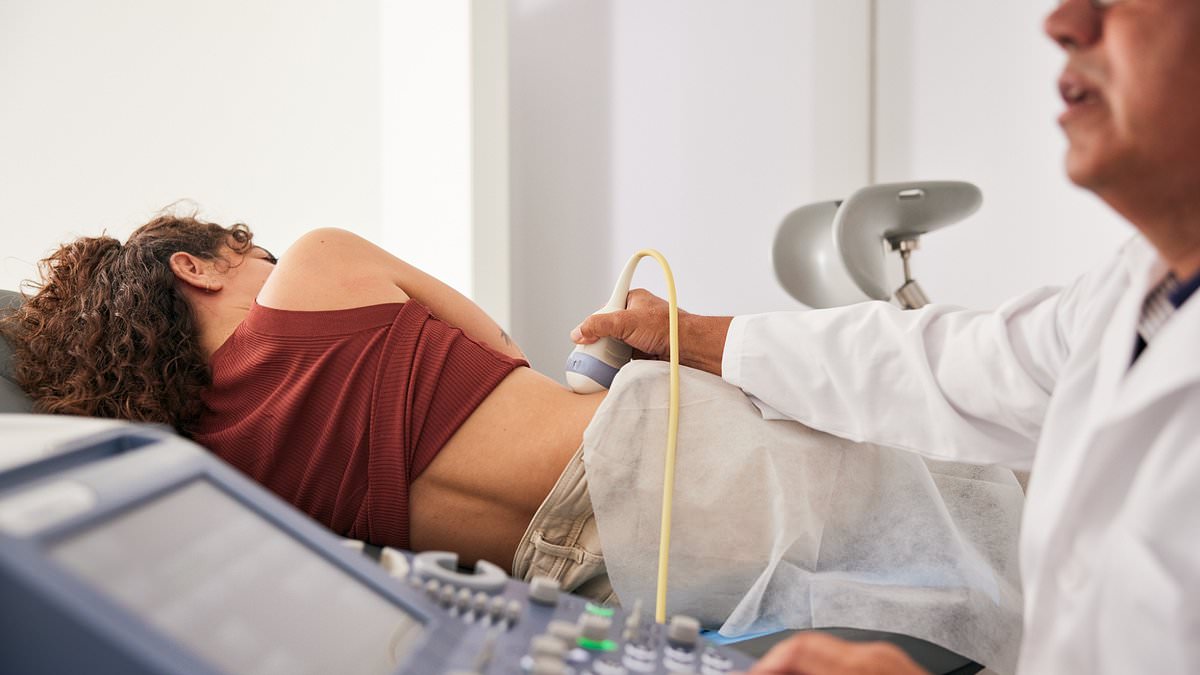
Dr Alison Downey is seeing a growing number of younger people with organ damage (picture posed by models)

Dr Alison Downey is a consultant urologist at Mid Yorkshire Teaching NHS Trust
But for those who can’t stop, or who’ve used too heavily for too long, the damage is permanent.
After six months of abstinence, if symptoms persist, they may need minimally invasive treatments such as botulinum toxin injections (i.e. Botox) into the bladder (this temporarily paralyses the overactive bladder muscle, reducing painful spasms, urgency and frequency – effects last six to nine months before repeat injections are needed).
In severe cases – and I’m seeing more of these – they need major reconstructive surgery: removal of the bladder (cystectomy) and creation of an ileal conduit, where they’ll wear a bag to collect urine for the rest of their lives.
This is surgery with significant risks, long-term follow-up requirements and profound impacts on quality of life – sexual dysfunction, body image issues. For someone in their 20s, it’s devastating.
The message needs to be clear: ketamine may seem like a harmless party drug – it’s cheap, easily available, doesn’t give you a hangover – but what you don’t notice in those early months or years of use is the silent, progressive damage it’s causing to your bladder and kidneys.
By the time you start experiencing symptoms – the constant rushing to the toilet, the pain, the blood in your urine – the damage may already be permanent. Your 20s should be about building your life, not learning to live with a urostomy bag.
The perception that ketamine is ‘safer’ than other drugs is dangerously wrong. It’s not what you’re risking in the moment that should worry you, it’s what you’re destroying, invisibly, for the future.
Dr Alison Downey is a consultant urologist at Mid Yorkshire Teaching NHS Trust
For help visit: talktofrank.com