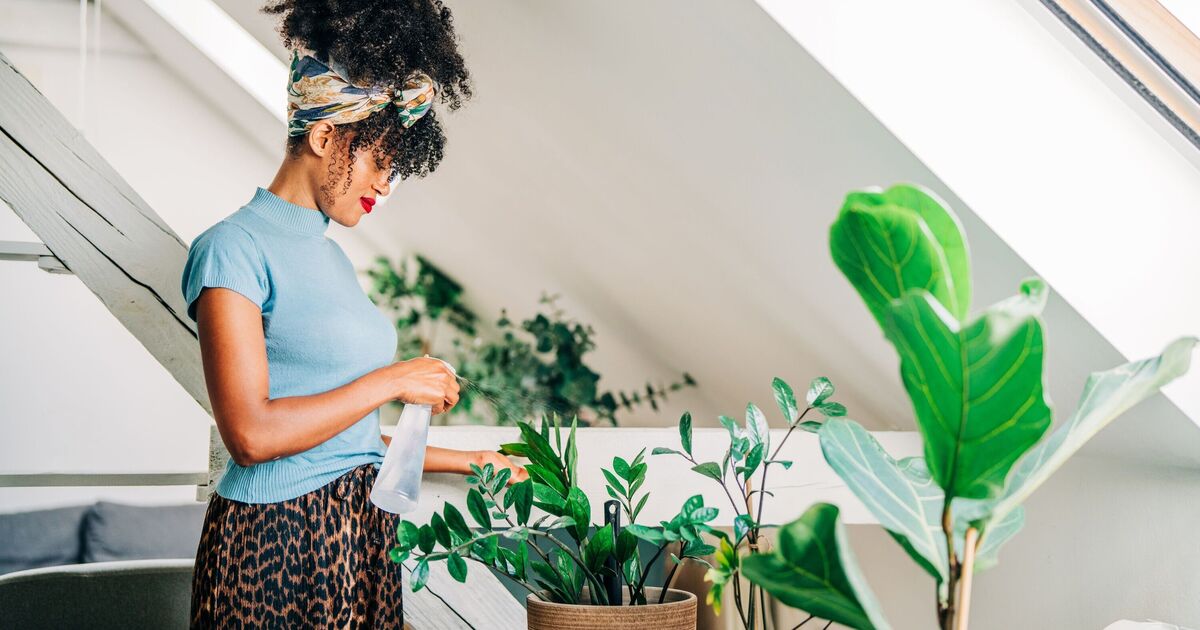

Joe Bagley, the author of ‘How to Make Your Houseplants Love You’ and a presenter for BBC Gardeners’ World Live, has identified five essential plants that can enhance well-being in any home, with Aloe Vera leading the pack. He highlights these plants for their minimal care requirements and impressive oxygen-producing qualities that can improve sleep and focus.
Bagley notes that Indoor Jasmine can bloom for months indoors, offering a sweet scent known for its relaxing and therapeutic effects. The Rubber Tree is lauded in various studies for its air-purifying capabilities. Meanwhile, the Umbrella Tree is ideal for those who work from home, as it is said to alleviate tension and boost productivity.
In collaboration with Bagley, the Plants and Flowers Foundation Holland emphasizes the significant role of houseplants in promoting well-being, particularly during the autumn and winter months.
The organization also conducted a survey of 2,000 individuals, uncovering that the average household contains only four houseplants.
Joe Bagley expressed concern, stating, “It’s alarming to see so many people missing out on their daily dose of ‘Vitamin G’—the incredible benefits that houseplants offer for well-being.”
“Houseplants do more than beautify spaces; they alleviate stress, enhance air quality, and even promote better sleep. Bringing greenery indoors is an easy way to maintain a connection with nature, especially during shorter days,” he added.
The research also revealed 41% get sad about the darkness when the clocks go back in October. While 52% agreed having real houseplants improves their wellbeing, rising to 64% for Millennials.
And 43% feel the need to surround themselves with real houseplants during these colder and darker months, with more than half (53%) saying it helps bring a sense of nature indoors when it’s cold outside. While 49% said they improve their mood in autumn and winter.
Those who have real houseplants in their home said they’re good for air quality (50%), calming to look at (45%) and make the space feel more alive (39%). With the living room, kitchen and hallway are the best rooms in the house to keep them, according to OnePoll figures
Monique Kemperman, a horticulture expert from Plants and Flowers Foundation Holland, added: “As the clocks go back and the days get shorter, many people feel the effects of reduced daylight – from lower energy levels to dips in mood. Being around plants can be a powerful way to counteract that.
“They bring colour, life, and a sense of calm to the home, helping people feel that little more grounded and connected during those colder months.”