
Share this @internewscast.com
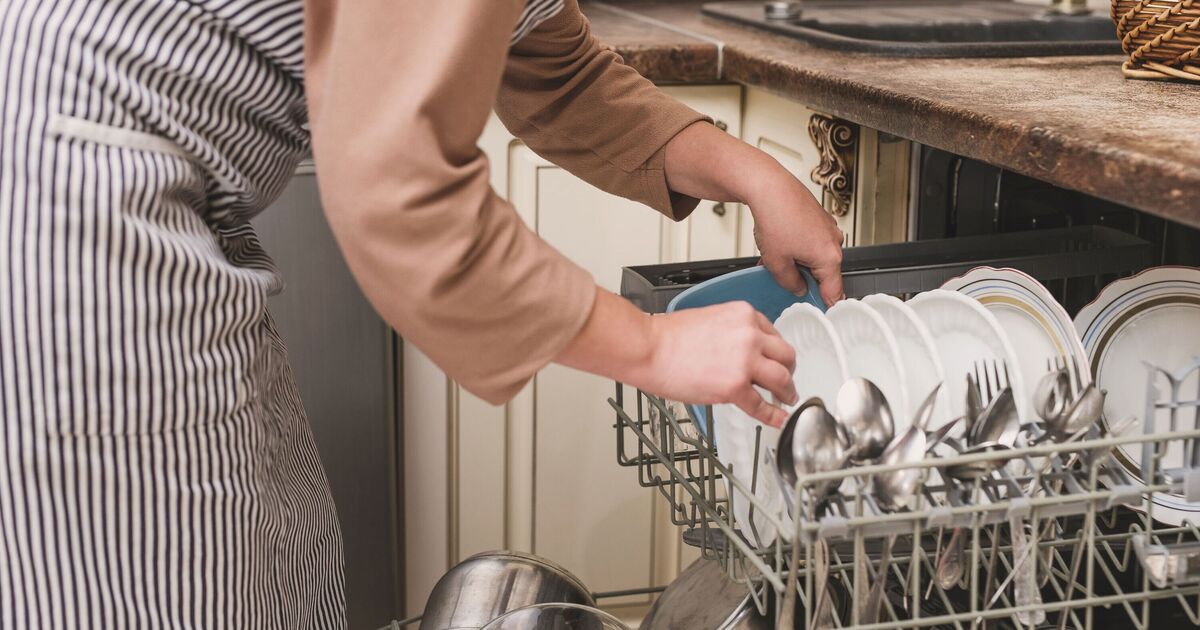
A medical expert has offered guidance on optimizing dishwasher use, highlighting common errors to sidestep. Dishwashers are invaluable kitchen appliances that simplify the lives of many in the UK. Instead of the tedious task of manually scrubbing plates, bowls, and cutlery at the sink, we can simply load them into the dishwasher and let it handle the job. However, certain habits can negatively impact its efficiency.
Understanding both the dos and don’ts of dishwasher use is crucial. Few things are as annoying as unloading a dishwasher only to discover that some dishes are still dirty. While this might indicate a malfunction, it often boils down to improper loading techniques. An expert has provided insights into the optimal way to arrange your dishwasher to ensure everything comes out spotless.
Dr. Richard Anderson, who leads Learning & Development at High Speed Training, emphasized the importance of correct dishwasher loading. He identified four specific mistakes that users should avoid.
According to Dr. Anderson, “The bottom rack is designed for sturdier items that require higher pressure. Plates and large bowls should be oriented towards the center spray arm for consistent coverage. Heavy items like pots and pans should be placed at the sides and tilted slightly to facilitate water drainage. Grouping items of similar size together prevents smaller dishes from being overshadowed.”
- Overcrowding the dishwasher with too many dishes. This prevents water and detergent from properly circulating.
- Blocking the spray arms. Spray arms should be able to spin freely and distribute water effectively, and blocking them with large items can stop this from happening.
- Over-rinsing dishes before loading your dishwasher can make detergents less effective. All you need to do is scrape off large bits of food.
- Ignoring the filter. You have a major dishwasher problem when the filter is clogged, which leads to poor results and bad odours in your kitchen.
He continued, “The top rack is meant for more fragile items, with a gentler pressure setting. Glasses and mugs should be positioned upside down and slightly angled to prevent water from pooling at their base after the cycle. All plastic items must have a ‘dishwasher safe’ label and should be placed solely on the top rack, away from the bottom heating element to prevent warping.”
“The top rack is the delicate zone, designed for gentler pressure. Here, glasses and mugs should be placed upside down and slightly angled—a key trick to prevent water pooling on the base after the cycle. Importantly, all plastics must be labelled ‘dishwasher safe’ and kept exclusively on this top rack, far away from the bottom heating element to stop them from warping.”
He added: “Cutlery placement is crucial for both hygiene and safety. We advise people to avoid ‘nesting’ in baskets by mixing items and alternating the direction of the handles. Always load knives with the handles pointing up to prevent injury during unloading. For a truly sparkling finish, remember to separate silver cutlery from stainless steel to avoid chemical reactions that can cause marks.”