Share this @internewscast.com
Doctors preparing for their upcoming strike have highlighted the timing of their walkout, noting that it coincides with a 10-day break over the Easter period. This strike comes conveniently during school holidays, which many medics see as an opportunity to manage childcare more effectively.
The strike is set to commence at 7 a.m. tomorrow, and some doctors have taken to social media to express their satisfaction with the schedule. One post humorously described the timing as a “chef’s kiss” following a four-day bank holiday weekend.
Despite concerns about participation in the picket lines, one doctor suggested that the prospect of a 10-day break might actually encourage a strong turnout. This sentiment was echoed across various online platforms.
On Reddit, one user remarked that the strike’s timing would pressure healthcare trusts to pay higher rates for locum consultants covering for striking doctors. They also noted that this might lead to an increased likelihood of elective procedures being postponed.
Writing on Reddit, one user said it was ‘good that trusts will have to pay higher locum rates for consultant cover’.
They also rejoiced that there is a ‘greater chance elective work will be cancelled’.
The strike by tens of thousands of resident doctors in England, previously known as juniors, will last until next Monday at 7am.
Health secretary Wes Streeting accused medics of inflicting ‘misery’ on patients and disrupting efforts to fix the NHS.

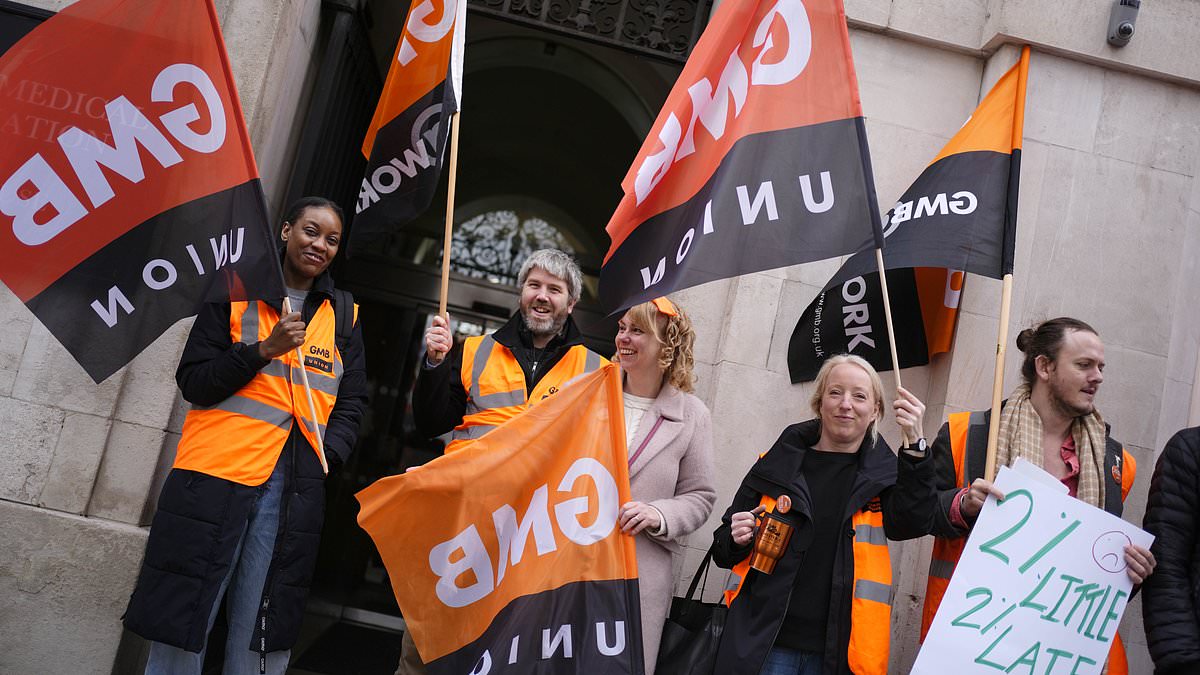
This week’s walk out will be the 15th round of strikes by resident doctors in England since 2023 and is expected to cost the NHS more than £250million in overtime payments and lost activity (Medics are pictured striking on March 27)
In an attack on union bosses, Mr Streeting criticised the British Medical Association (BMA) for trying to ‘slam on the brakes’ on progress and reform.
‘For months, we have been locked in negotiations with the BMA to end the misery that strike action is inflicting on patients and other NHS staff,’ he wrote in The Telegraph.
‘[But] the BMA’s Resident Doctors Committee rejected [our] offer and on the very same day announced an unprecedented six days of strike action, immediately after this Easter weekend, designed to cause maximum disruption to patients.’
First-year junior doctors have seen their starting salaries rise from £25,209 to £40,190 in the past 16 years.
So far, the BMA has rejected a pay rise deal that would have seen average doctors’ salaries rise by another 4.9 per cent.
The proposed deal would have taken their total pay rise over the past three years to 35 per cent.
If the offer had been accepted, first-year junior doctors would have enjoyed a £1,100 pay increase, pushing starting salaries to around £41,226.
The Department of Health and Social Care said an offer of 1,000 extra training places will no longer be ‘financially or operationally’ possible as the NHS prepares to deal with the fallout from industrial action.

The Government has scrapped plans to expand speciality doctor training places after the British Medical Association failed to call off this week’s strike
This week’s walkout will be the 15th round of strikes by resident doctors in England since 2023 and is expected to cost the NHS more than £250 million in lost activity and overtime payments to senior colleagues.
NHS England said hospital teams across the country will be working to minimise disruption for patients during the walkout, which is ‘expected to be particularly challenging’ because of a shorter notice period.
‘It is disappointing for patients and staff alike that the BMA has decided to press ahead with strikes this week, despite the deal we put to them which would have seen resident doctors 35.2 per cent better off, on average, than they were four years ago,’ Mr Streeting said last night.
In response Dr Jack Fletcher, BMA resident doctors’ committee chair, said: ‘We are willing to bring an end to industrial action, but we are not seeing that willingness from the Government so far.’
He added: ‘We know that strikes bring disruption – despite NHS England’s assurances that it can maintain the vast majority of services running for patients during times of industrial action.’