
Share this @internewscast.com
World Alzheimer’s Day, which occurred on Sunday, may not be marked prominently on our personal calendars, yet it is a day worthy of our attention. Alzheimer’s is the leading cause of dementia in the UK, a condition that damages brain nerve cells over time, impacting memory, language, problem-solving skills, and behavior.
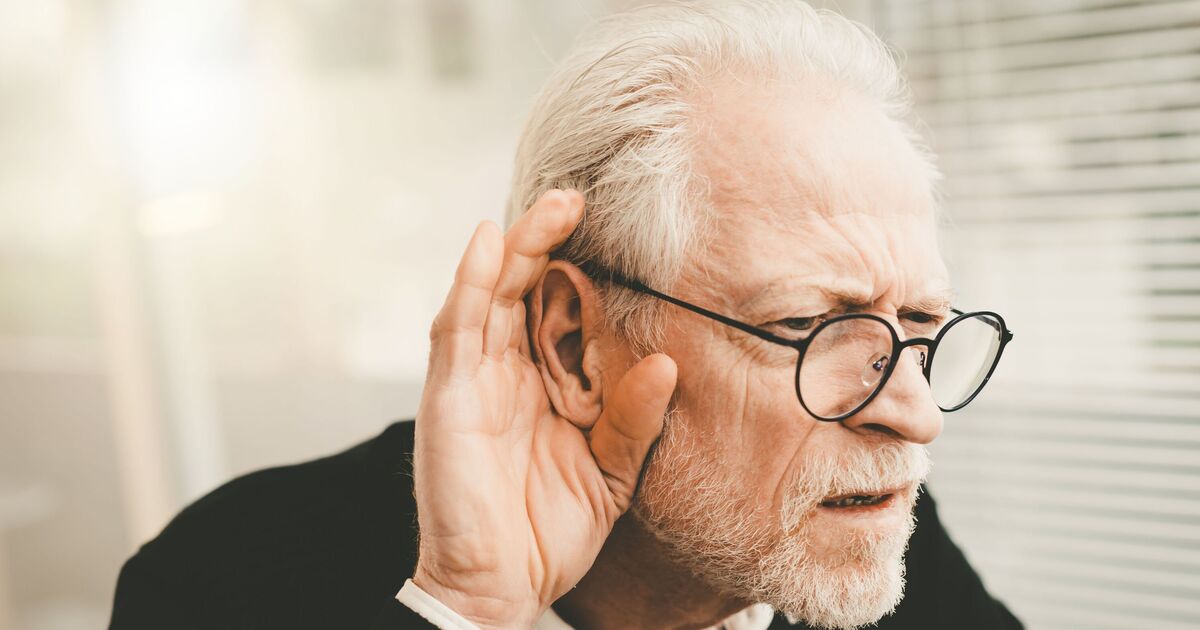
This disease has a profound effect, not only on individuals but also on their families. However, at RNID, Alzheimer’s is a constant consideration, not just on special observances. This is because of the link between dementia and hearing loss. In the UK, around 18 million people experience hearing loss—equivalent to one in three—while nearly one million suffer from dementia.
Globally, approximately 20% of those over 50 have Mild Cognitive Impairment (MCI), a condition surpassing typical aging that may precede dementia. Though aging and genetics are the primary unchangeable dementia risk factors, other factors, like hearing loss, are also related. Many people with dementia or MCI also encounter hearing loss and other hearing-related issues.
These conditions are not only prevalent but are also on the rise. As life expectancy increases, more of us will experience both dementia and hearing loss. This trend is significant, demanding our attention. But what do scientific findings reveal? The link between hearing loss and dementia remains poorly understood and appears complex.
There is increasing evidence that addressing hearing loss, such as by using hearing aids, could slow or prevent cognitive decline, especially in those at greater risk. For individuals already coping with dementia or MCI, managing hearing loss may enhance communication, lessen isolation, and improve the quality of life.
Despite the way we routinely visit dentists or opticians as part of our regular life, getting our hearing checked doesn’t have the same automatic frequency.
At RNID – the national charity supporting people who are deaf, have hearing loss, or tinnitus – we want to change this. One incredibly easy first step is our free online hearing check. It’s simple – you can do it on your smartphone or computer and all you need is headphones and a quiet spot. It takes just three minutes, and you’ll find out straight away if you need to see someone about your hearing.
We increasingly understand that if we are thinking about our health in the future, taking care of our hearing now is vital. But there are benefits to taking our hearing health seriously that can be felt almost immediately. Hindsight is a wonderful thing, and I often hear from people diagnosed with hearing loss who wish they’d acted sooner. For lots of people, taking control of their hearing is a life-changing experience.
For example, wearing modern, high tech hearing aids (which are available to everyone free on the NHS) can have a profound impact on overall well-being, dramatically improving communication with friends, family, and colleagues. People rediscover forgotten sounds – like birdsong – engage more easily in social settings, and once again feel at the heart of conversations.
The effect on relationships can be just as powerful. Couples can find their connection strengthens, and grandparents become fully engaged in family gatherings, no longer missing out on precious moments.
Modern hearing aids are discreet, digital, and at the cutting edge of technology. They come in a variety of different colours and can connect to smartphones via Bluetooth, allowing you to listen to music, stream podcasts, and make calls just like you would with headphones. Someone I know has even admitted to listening to Test Match Special through his hearing aids during some of his longer work meetings… not that I would condone such behaviour, of course!
When it comes to hearing and dementia, it’s an area where more research is needed. At RNID we support studies that aim to deepen our understanding of this association. This research could lead to improvements in how both conditions are diagnosed and treated.
But there are obvious health benefits to seeking help with your hearing right now. And the good news is – empowering yourself and taking notice of your hearing has never been easier.
- Harriet Oppenheimer is Chief Executive of the RNID. Test your hearing at rnid.org.uk and check-in with loved ones to do the same