
Share this @internewscast.com
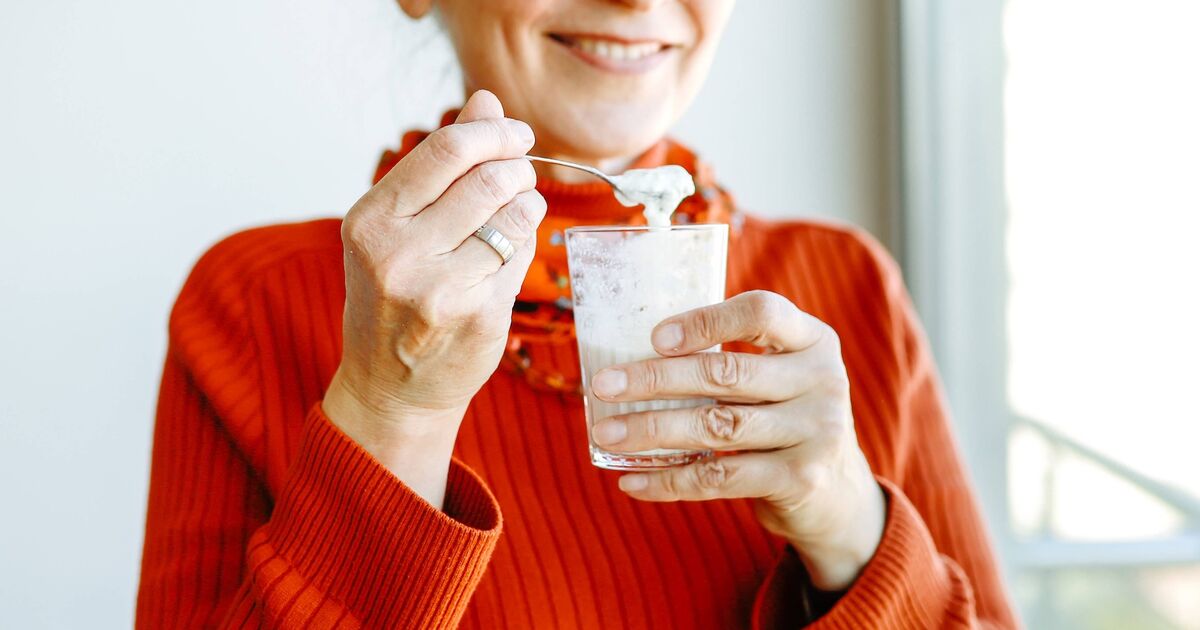
A nutrition expert is advising those who suffer from bloating to incorporate a straightforward routine after meals or snacks.
Various elements can lead to a bloated sensation, with a primary reason being gas trapped in the digestive tract due to daily food and drink intake.
Additionally, bloating can arise from digestive issues like constipation, food sensitivities, celiac disease, and irritable bowel syndrome (IBS).
Many also notice bloating around menstruation, commonly happening in the days before and during the start of their cycle.
Since bloating can be quite uncomfortable, it’s important for those experiencing severe, frequent, or persistent bloating to seek advice from a healthcare professional, as it could signal a more serious issue.
Through a video shared on her TikTok account, @olivia_the_dietitian, she encourages viewers to spend just five minutes daily on methods to reduce bloating.
She explained: “Try this for just five minutes after eating to help your post-meal bloating from a registered gut health dietitian.
“Try taking a light walk or gentle activity for about 5 minutes after eating. This simple hack helps aid digestion and reduce a build up of gas. Let me know if you’ve ever tried this.”
One individual responded to the video, stating: “Yes a little walk after eating has helped my IBS MASSIVELY! we need to help stimulate our bodies the same way babies do.”
Symptoms of bloating encompass your stomach feeling full or larger than normal, experiencing abdominal pain or discomfort, your stomach rumbling or making noises, or passing wind more frequently than usual.
Bloating can be alleviated by avoiding excessive consumption of fizzy drinks, alcohol or caffeine in coffee and tea, and steering clear of foods known to cause gas, such as cabbage, beans or lentils.
Individuals should seek an urgent doctor’s appointment if they experience bloating along with any of the following symptoms: constipation, stomach ache, a high temperature, swelling or a lump, or a burning sensation in your chest.
People should immediately head to A&E if they have bloating accompanied by severe pain that occurred suddenly, extreme difficulty breathing, or if they’re vomiting blood.
Ensure our latest headlines always appear at the top of your Google Search by making us a Preferred Source. Click here to activate or add us as your Preferred Source in your Google search settings.