
Share this @internewscast.com

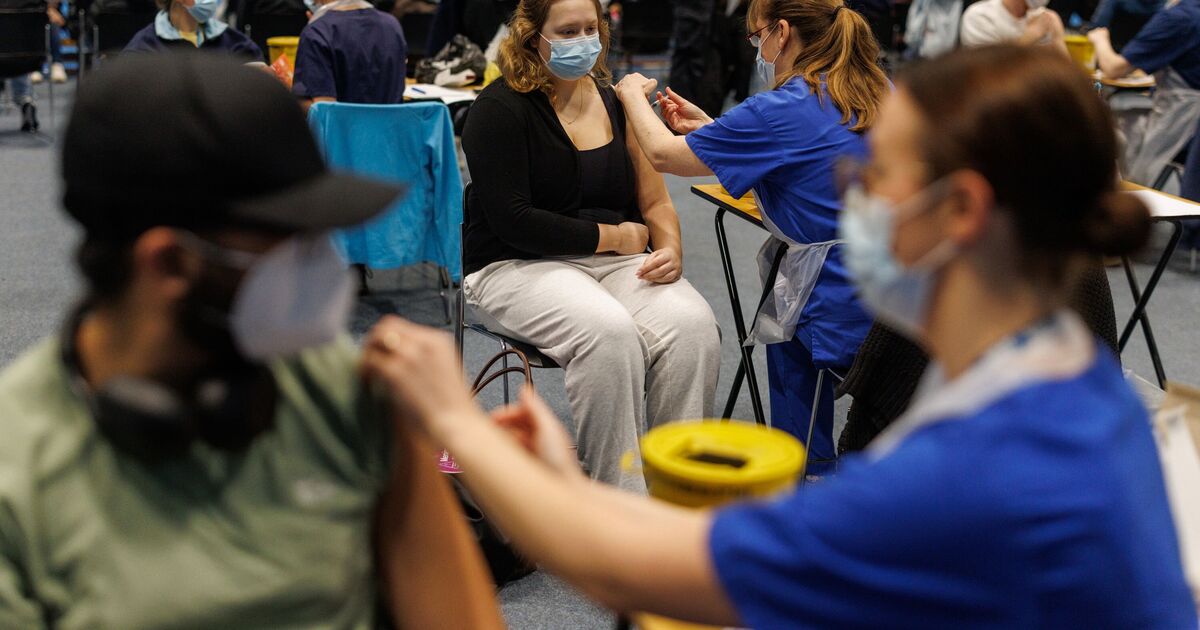
A student receives the Meningitis B vaccine at the University of Kent in Canterbury (Image: Getty Images)
With the number of meningitis cases connected to an outbreak in Kent now at 29, a medical expert has outlined why the situation is so serious. Two people – 18-year-old Juliette Kenny and an unnamed 21-year-old – have died, while students and young people across the region are being offered vaccinations and antibiotics in a bid to contain the spread of the infection.
The meningitis outbreak in Kent has escalated, with cases now reaching 29, prompting a medical specialist to emphasize the gravity of the situation. Tragically, two individuals, including 18-year-old Juliette Kenny and a 21-year-old whose identity remains undisclosed, have succumbed to the disease. In response, health authorities are proactively providing vaccinations and antibiotics to students and young people in the region to curb the outbreak.
The UK Health Security Agency has verified the outbreak’s connection to Kent, confirming 18 cases and identifying 11 additional “probable cases.” Among these, 13 confirmed cases are attributed to the MenB strain of meningitis. All affected individuals have required hospitalization. An A&E doctor, renowned for his nearly half a million followers on TikTok, has taken to the platform to explain the critical nature of this outbreak.
Dr. Ahmed, who brands himself as the “healthcare Gordon Ramsay,” explained: “The culprit behind the meningitis cases among Kent students is neisseria meningitis type B.”
“This particular strain is notorious for its rapid onset and potential to become severe quickly. While individuals born after 2015 are generally protected by the meningitis B vaccine, older teenagers and college students might not have received this vaccination, as it wasn’t available during their childhood,” he elaborated.
He noted that UK teenagers are typically immunized against four other meningitis strains via the MenACWY vaccine, which does not include protection against MenB, as reported by the Mirror. Dr. Ahmed pondered the potential for changes in vaccination policy following the outbreak, stating, “Whether this incident will lead to a policy shift, I can’t say.”
“Currently, targeted vaccinations are being administered to certain individuals, including adults, who may have been exposed to the disease. However, antibiotics remain the primary treatment for those who have had close contact with infected individuals.”
“We see this happen often in the UK in small clusters across the year, normally three or four hundred cases a year. What’s different this time is that it’s type B meningitis, which can be a bit more dicey.”
He concluded: “Anybody who is becoming unwell, especially with a fever, headache, cough, back pain, neck pain, and they feel like they may have been in contact with somebody who could have meningitis down south, they should contact NHS 111, their GP, or go to A&E if they feel unwell.”
What is meningitis?
The NHS describes meningitis as “an infection of the protective membranes that surround the brain and spinal cord”. It states the condition can affect anyone, but is most prevalent in babies, young children, teenagers, and young adults.
The organisation warns meningitis can be extremely serious if not treated swiftly, and can trigger sepsis, which can prove fatal. It can also lead to permanent damage to the brain or nerves.
It is typically caused by a bacterial or viral infection – bacterial meningitis is rarer, but more severe, and it is this form of the illness which the two people in Kent died from. Infections can be transmitted through sneezing, coughing, or kissing, and is generally passed on by people harbouring the virus or bacteria in their nose or throat, but who are not unwell themselves.
What are the symptoms of meningitis?
The NHS says symptoms of meningitis can develop quickly and in any order. Someone with meningitis may not develop all these symptoms. They can include:
- a high temperature (fever)
- being sick
- a headache
- a rash that does not fade when a glass is rolled over it
- a stiff neck
- a dislike of bright lights
- drowsiness or unresponsiveness
- seizures (fits)