Share this @internewscast.com
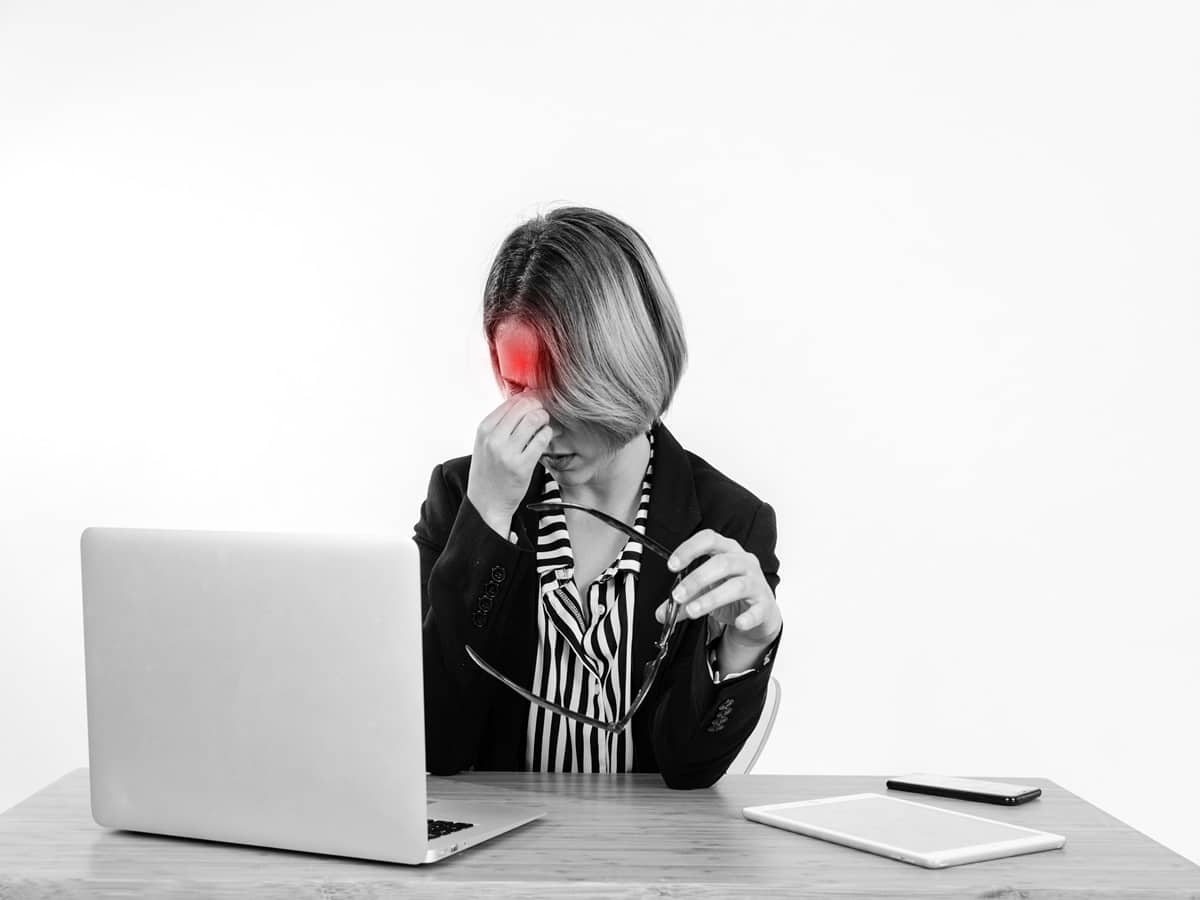
These emerging therapies demonstrate promising potential for individuals seeking drug-free options for migraine management.
In India, millions grapple with the throbbing pain, nausea, and sensitivity of migraine. While medication remains a primary approach to managing migraines, an increasing number of individuals are turning to drug-free therapies for relief. These emerging drug-free therapies offer promising options for those seeking to mitigate migraine symptoms without relying solely on pharmaceuticals. Here are some insights from Dr. Amit Haldar, Neurologist, at Fortis Hospital, Kolkata. Let’s delve into some of the latest drug-free technologies gaining traction in migraine care.
Neuromodulation Techniques
Neuromodulation is a non-pharmacological approach to dealing with patients with migraine. It is conducted with a device that uses electrical currents or magnets to adjust or change activity that occurs in the brain. These advanced medical devices can either increase or decrease nervous system activity, potentially reducing the frequency of migraine attacks and cluster headaches. In addition, conventional medicines used in the treatment of migraine may have systemic side effects on individuals causing medication dependency and overuse headaches. However, these neuromodulation techniques are devoid of such side effects and complications.
Remote Electrical Neuromodulation
A notable advancement in this space is Remote Electrical Neuromodulation (REN). REN presents a non-invasive method for alleviating migraines by utilizing a compact, wearable device that administers precise electrical pulses to the nerves associated with migraine headaches. This device is user-friendly, allowing individuals to customize and activate it as needed for personalized intervention.
REN operates by stimulating nerves in the upper arm with gentle electrical signals, which subsequently travel to the brain and regulate the irregular activity linked to migraines. Studies suggest that REN is a promising alternative for managing acute migraine episodes and could even be considered as a primary treatment option for certain individuals. Its effectiveness has been supported by clinically significant results, including reductions in both migraine intensity and frequency among users.
Transcutaneous Electrical Nerve Stimulation
Another neuromodulation-driven therapy for migraines is Transcutaneous Electrical Nerve Stimulation (TENS). While it involves the placement of electrodes on the forehead or neck, TENS provides an alternative strategy by intercepting pain signals before they reach the brain, thereby addressing pain at its origin. Both REN and TENS exemplify the promising prospect of non-invasive neuromodulation in transforming the management and treatment of migraines. Ultimately, the selection between these methods may hinge on individual inclinations, treatment requirements, and responses to each approach.
Transcranial Magnetic Stimulation
Beyond REN and TENS, another option in non-invasive neuromodulation for migraines is Transcranial Magnetic Stimulation (TMS). Unlike REN, which sends electrical signals indirectly to the brain via the arm nerves, TMS utilizes magnetic pulses delivered directly to the head. While TMS hasn’t replaced traditional treatments yet, studies suggest encouraging results, particularly for chronic migraines resistant to other options.
Conclusion
These emerging therapies demonstrate promising potential for individuals seeking drug-free options for migraine management. Further research is needed to fully understand its long-term effects and individual suitability. Ultimately, the choice between these neuromodulation techniques depends on factors like personal preferences, treatment needs, and individual responses to each approach. It is crucial to consult with a healthcare professional to determine the most effective and appropriate treatment strategy for your specific migraine experience.
Disclaimer suggested: This communication is intended for public awareness purposes only. Please consult your doctor for any medical advice.