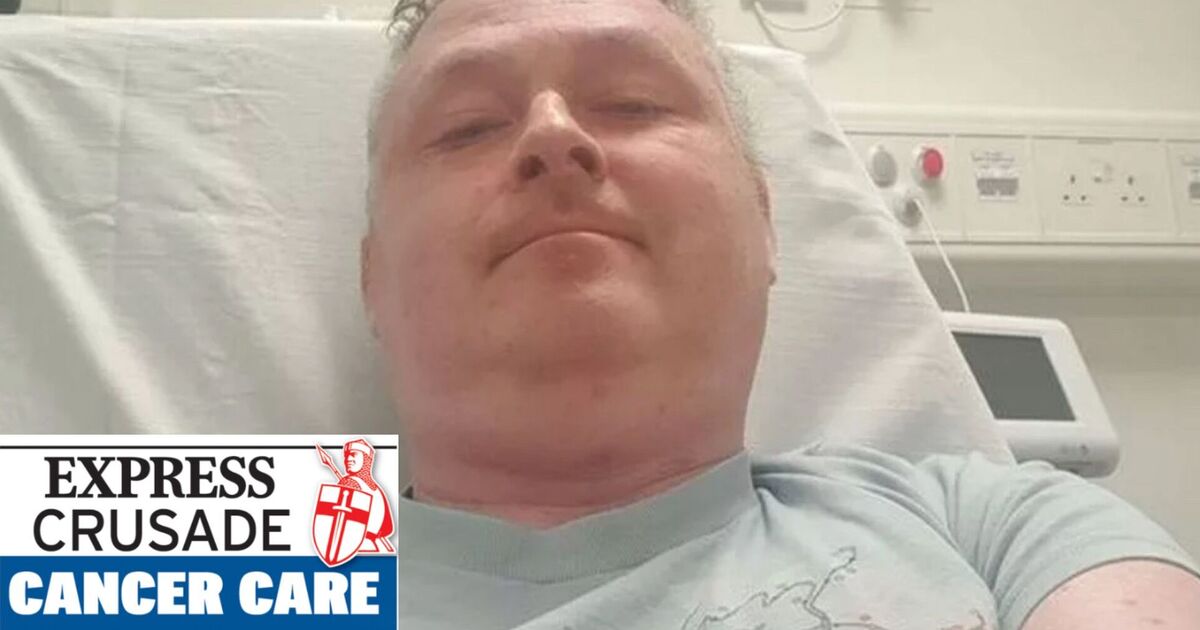

Waking up the day after you’ve been told you have cancer is nerve-wracking enough, with all your thoughts swirling around in your head. Then you realise that there’s also a very strong chance your finances will take a battering because you won’t be able to work like you used to. So how will you survive? Will you have to sell your home? How will you manage to put food on your family’s table? How will you pay the bills?
I think that no matter what diagnosis someone receives, and how much money they have saved for the rainiest of days, they could benefit from someone to help them navigate through the issues. There’s not only the benefits system to work through and see what you’re entitled to as a cancer patient. There’s also the conversations you need to have with your boss about your situation.
You’ll be pleased to read that my employer, the one paying me to write this piece, has been fantastic throughout my entire “cancer journey”. I was on sick leave for a year and now write as much as can when I can but there’s no pressure on me.
Millions of others aren’t so lucky and their employer follows their contract to the letter and then expects them to commit to dedicated hours after their sick leave is over.
Having cancer doesn’t work like that. Someone fighting the disease can’t predict when they’ll feel too tired to work because they’ve been awake since 4am with diarrhoea. They can’t predict when they’ll feel too sick to stare at a computer screen all day or if their legs will feel strong enough to build a brick wall at a building site.
So it is definitely good news that work and finances are listed as key areas on the holistic needs assessment, which patients are supposed to have when they are diagnosed with cancer.
But it just doesn’t happen enough. When I got diagnosed with incurable bowel cancer two years ago the nurse who broke the news also gave me some leaflets about coping with cancer.
I’ve been a journalist quite a few years and have interviewed people ranging from Boris Johnson and Nigel Farage to winners of flower shows. But my questioning skills don’t extend to leaflets. They don’t talk back so couldn’t answer most of the questions I had.
What I needed to be able to do was to be able to express to my medical team that one of my biggest fears wasn’t the dying from cancer part, it was the surviving financially until I die part.
This is why medical teams should be ensuring that they carry out a holistic needs assessment with each and every cancer patient they see.
They need to reassure them that there are people who can advise them about how to speak to their employer and also about how to juggle their budgets day to day.
It’s a huge reason why I believe the Daily Express Cancer Care campaign is so important because we are calling for all patients to have a HNA when they are diagnosed, so they can highlight their fears about all aspects of their life with cancer.
The worries about work and finances won’t go away during a patient’s treatment, unless they win the lottery. This is why the second part of our campaign is calling for discussions about a patient’s worries to be an essential part of the consultation they have with their medical team before every treatment.
Medical teams need to be able to help patients deal with all aspects of their life as cancer sufferers, and not just the physical aspects of the disease.
The Daily Express’s Cancer Care campaign is working to ensure that, whether it is stress about finances or something completely different, all patients get the mental health support they need.


