
Share this @internewscast.com
As the calendar turns toward a new year, millions are gearing up to embrace healthier lifestyles, sparking discussions within the wellness community about the trends likely to define personal routines in 2026.
If you’re envisioning another cycle of intense HIIT workouts and stringent dieting, you might want to reconsider.
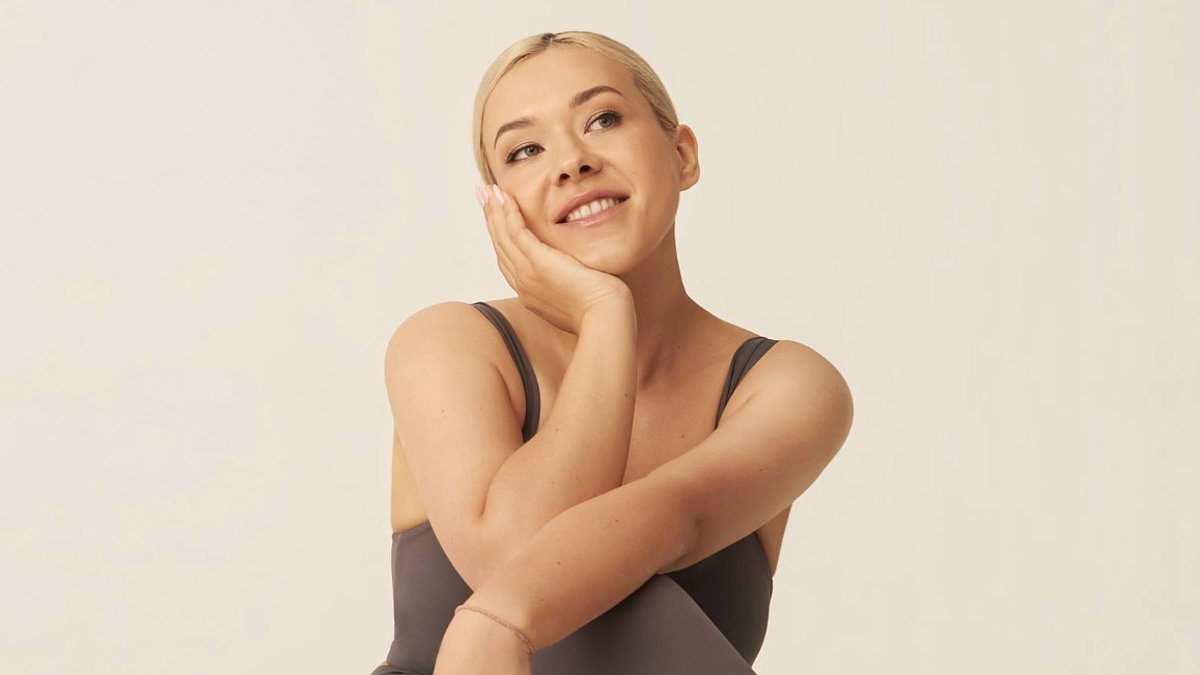
Renowned health coach Victoria Repa anticipates a significant shift toward more gentle, intelligent, and holistic practices that easily integrate into everyday life.
Repa, who is a certified health coach and the CEO and Founder of BetterMe, predicts that 2026 will be characterized by ‘Zone Zero’ fitness. This trend emphasizes short, low-intensity activities such as stretching, Pilates, and restorative yoga, which will become staples rather than mere supplementary exercises.
According to Repa, people’s objectives are evolving. The focus is shifting away from merely burning calories to fostering sustainable muscle tone, enhancing metabolic health, and prioritizing recovery.
This transition is partly influenced by the rising popularity of GLP-1 weight-loss drugs like Ozempic and Wegovy. These medications are changing fitness priorities as they highlight the importance of muscle preservation, a crucial consideration since muscle loss is a common side effect of GLP-1 usage.
It also signals a broader cultural pivot. Walking is being rebranded as a structured workout with viral formats like ’12-3-30′, sleep is being tracked as a key performance indicator for life, and versatile home gym equipment is outpacing expensive studio memberships.
From the protein supplement in your morning coffee to the smart ring tracking your deep sleep, the future of wellness is personal, practical and far less punishing, Repa told Daily Mail.

Leading health coach Victoria Repa predicts that 2026 will be the year of “Zone Zero” fitness. This trend involves making short, gentle movements, like stretching, Pilates, and restorative yoga, an everyday staple rather than an occasional supplement
The trend toward Zone zero signifies a major philosophical shift from a ‘no pain, no gain’ mentality to one of consistent, manageable movement for sustainable health.
‘Zone zero’ refers to low-intensity, functional movement that keeps your heart rate below 50 percent of its maximum. This is in stark contrast to many intense cardio workout trends, like extreme high-intensity interval training, which often push participants to spend time at or near their maximum heart rate.
Zone Zero is ultra-low intensity movement during gentle activities, such as walking, stretching or household chores. It is a modern addition to the well-established five-zone heart rate model.
The traditional five heart rate zones are based on percentages of one’s maximum heart rate (HR max). Zone one (50-60 percent HR max) is for very light warm-ups and recovery.
Zone two (60-70 percent) is the foundational aerobic zone for building endurance and fat-burning at a comfortable, conversational pace. Zone three (70-80 percent) is a moderate tempo zone that improves cardiovascular efficiency, where conversation becomes broken.
Zone four (80-90 percent) is hard threshold training that boosts tolerance to lactate and speed, making speech very difficult. Finally, Zone 5 (90-100 percent) is a maximum, anaerobic effort for peak power, sustainable only in very short bursts.
Zone zero supports the body’s baseline health, including mobility, joint stability and stress relief, rather than pushing for peak performance. It’s about staying lightly active without strain.
It is an intensity level just below a brisk walk. It consists of nearly effortless movement like strolling or stretching, where breathing is so relaxed you can easily maintain a conversation.
Join the debate
Is gentle, low-intensity exercise really the key to lasting health and happiness, or just a fad?

Goals are no longer centered on burning calories but on building sustainable muscle tone, improving metabolic health, and prioritizing recovery. This evolution is largely fueled by the rise of GLP-1 medications like Ozempic, which have redirected focus toward preserving muscle mass
Repa told the Daily Mail: ‘Short formats with low intensity are becoming increasingly popular.
‘Stretching, Pilates and its variants, yoga for sleep and pain relief for office workers are moving from the category of additional activities to daily basics.’
Zone zero alone is not enough to be healthy. Optimal physical health requires a balance of strength and cardio training, and zone zero exercises should complement those.
Zone zero folds well into another 2026 trend: walking for a workout. Walking is being rebranded from a casual activity to a legitimate, results-driven workout through viral, rule-based formats like the 12-3-30 approach (12 percent incline at three miles per hour for 30 minutes) and rucking, walking with a weighted backpack.
This year has seen several walking trends for fitness gurus, including Japanese ‘3-3 walking,’ a practical 30-minute workout where you alternate three minutes of brisk walking with three minutes of a slower pace, repeated five times.
Developed by Japanese researchers to safely bring high-intensity interval benefits to older adults, this simple routine has been shown to improve cardiovascular health, increase thigh strength, aid weight loss, lower blood pressure and even reduce age-related injuries over the long term.
This new approach will seamlessly incorporate into the lives of GLP-1 users. The explosive popularity of the medications taken by roughly 30 million Americans, including Ozempic, Wegovy, Mounjaro and Zepbound, is fundamentally altering the fitness industry by creating an entirely new demographic of clients with distinct physiological needs.
There has been a significant surge in demand for resistance training programs. The objective is no longer just building strength, but actively preserving lean muscle mass, which is often lost rapidly during the dramatic weight loss induced by these medications.

Repa told the Daily Mail: ‘Stretching, Pilates and its variants, yoga for sleep and pain relief for office workers are moving from the category of additional activities to daily basics’
While Repa does not see people’s love for Pilates and yoga classes waning, the home gyms of 2026 will be smarter, not bigger, with consumers prioritizing space-efficient, multi-functional tools over bulky machines.
She said: ‘People are increasingly choosing multifunctional equipment that supports multiple training styles and can be used for home workouts.’
This can include adjustable dumbbells, resistance bands with anchors and compact folding treadmills.
And 2025’s enthusiasm for protein is not going anywhere. Repa said that protein supplements will become near-universal in 2026.
Protein powders are being added to coffee, oatmeal and smoothies as a daily health boost. But formats are diversifying to include ready-to-drink shakes, high-protein snacks and even fortified foods and beverages specifically targeted toward healthy aging and those on GLP-1 medications.
Repa said: ‘Protein is moving beyond the gym culture and becoming an integral part of everyday functional nutrition, particularly in combination with GLP-1 and healthy aging goals.’
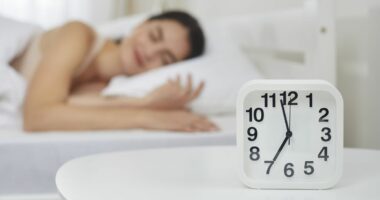
Amid shifts in people’s health habits during the day will be a refocus on sleep from being a vague healthy habit to a quantifiable metric for productivity, longevity and mental stability tracked with the same rigor as fitness goals.
People are creating elaborate nighttime routines, including tech curfews, setting a specific time, usually an hour or more before bed, to stop using all electronic devices as well as an emphasis on room and body temperature.
Surging interest in sleep as a key performance indicator is likely to bolster the ever-growing market for wearables such as Oura Rings, Garmin smart watches and Whoop wristbands, to track not just hours, but sleep consistency, resting heart rate and heart rate variability.
Sleep data is then used to explain energy, mood and cognitive performance.
The 2026 shift reflects a holistic, biohacking-informed view of health in the style of billionaire biohacker Bryan Johnson and longevity guru Peter Attia. By treating sleep as a foundational investment, people believe they can directly enhance productivity, mental stability and longevity.