Share this @internewscast.com
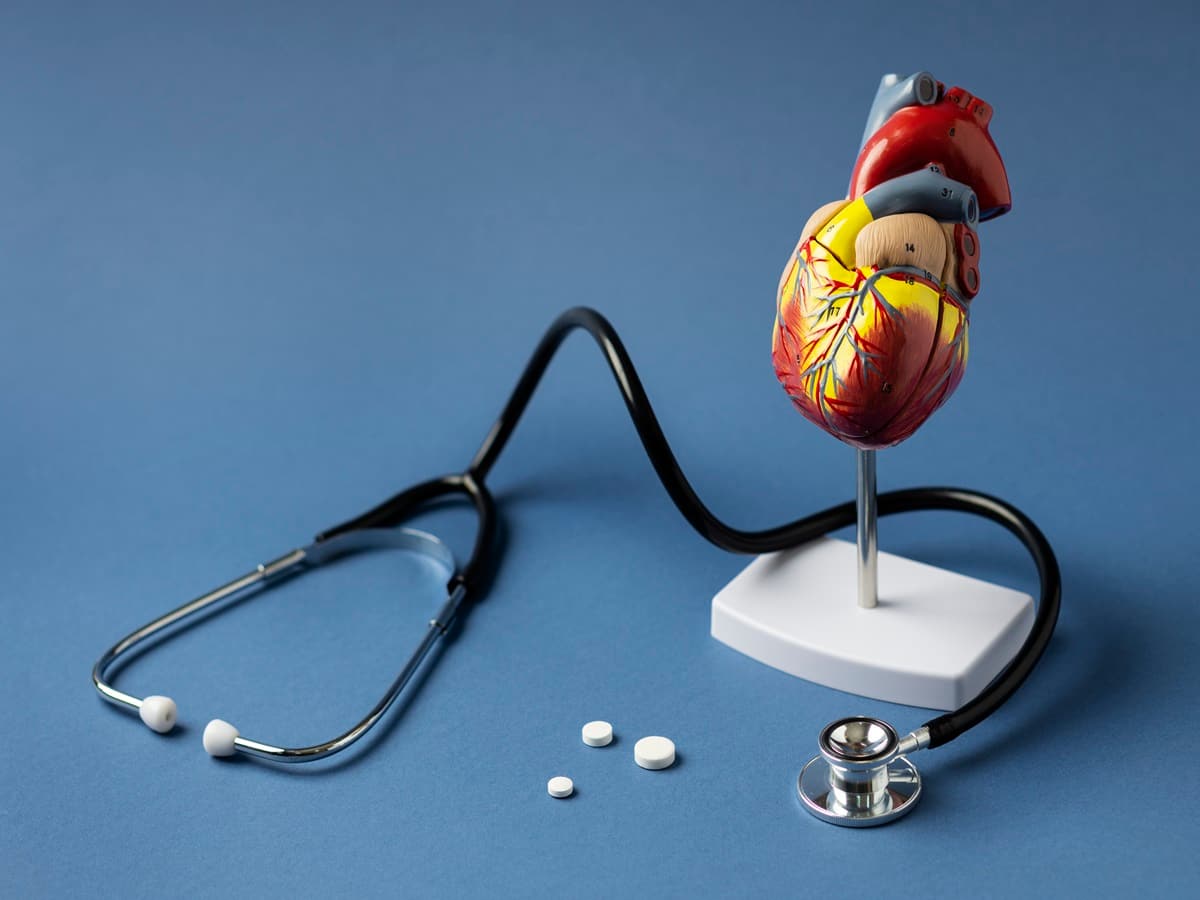
Your heart is extra vulnerable in winter because it has to work harder and pump more blood to keep you warm. This can increase the heart rate thereby increasing risk of heart attack.
Winter season makes heart healthy more vulnerable than any other seasons. When the atmospheric temperature is cold, your body also becomes cold. Your heart has to work harder and pump more blood in order to keep your warm. If your heart health is strong, you will not have any trouble regulating your body temperature in cold weather. However, people with a weak heart may face face difficulties coping in winter. If you are a person who has a weak heart or is living with underlying heart diseases, you need to take extra care of your heart as well we your overall health in winters. In winter, the heart rate will increase and this can cause heart attack in extreme cases. Dr. Abhijit Borse, anInterventional Cardiologist at Asian Heart Institute, Mumbai provides valuable information on the mistakes that may increase the risk of heart attack in winters.
7 Mistakes That May Increase The Risk Of Heart Attack In Winter
Dr. Borse says to not make these following mistakes:
Not Dressing Up With Adequate Warm Clothes
You need to take all the right measures to keep your body warm in winters. If you do not do that, the pressure will be more on your heart to pump more blood to keep your warm. If you take steps to maintain your body temperature by wearing warm clothes, warm cap, woolen mittens and layers of clothing, the risk of heart attacks will automatically be less. Layers of clothes help trap body heat helping you stay warm.
Not Taking Breaks From Strenuous Activities
Staying active is well and good but excess of it can increase your heart rate, increase your blood pressure and risk of heart attack. Do not overexert yourself. Make sure to take breaks, let your heart and body recover. Your body will show signs of overexertion, learn to listen to those signs.
Dehydration
We do not feel like drinking water in winter because of the cold temperature and it is hard to notice the symptoms of dehydration in the body. But, because of these reasons staying hydrated is all the more important, especially because it is connected to your heart health. When you are dehydrated, it will put extra strain on your heart, increase your heart rate and risk of diseases.
Excess Alcohol Consumption
Alcohol will help you stay warm in the cold winter months however, take it in moderation as excess consumption can increase risk of heart diseases. When the temperature is cold, it leads to constricted blood vessels. This, combined with excess alcohol consumption can cause stroke or heart attack.
Eating The Wrong Types Of Foods
The kind of diet you follow has a huge impact on your organs especially your heart. Stop eating junk food, processed food, food high in sodium, food high in trans fat and calories. A balanced diet that include lots of vegetables, proteins like lean meat and more heart friendly foods like fish and wholegrains are very important to evade heart related illnesses.
Not Getting Enough Sun
Vitamin D is essential to maintain your overall health. But, naturally in winters access to direct sunlight is scarce. You must load of on this vitamin through foods and supplements because vitamin D deficiency is linked with heart diseases.
Outdoor Exercises
Do not make the mistake of exercising out in the cold because it can put extra strain on your heart. It can make your dehydrated faster, increase your heart rate and blood pressure.