
Share this @internewscast.com

This ‘silent killer’ increases the risk of organ problems (Image: Getty)
People might be living with a serious health issue that has very few symptoms – but could cause major problems to their organs. An expert has suggested that there are “natural” ways to help settle high blood pressure.
Millions around the globe may unknowingly be grappling with a significant health issue that offers minimal symptoms yet poses a serious threat to vital organs. This condition, known as high blood pressure, can quietly wreak havoc on the body. However, there are “natural” strategies to manage this health risk, according to experts.
Professor Tim Spector, a co-founder of the Zoe Health Study, has highlighted that high blood pressure is often dubbed a ‘silent killer’ due to its subtle presence. With an increasing number of individuals affected worldwide, Spector emphasized that dietary and lifestyle modifications could effectively lower blood pressure, offering an alternative to medication.
“To reverse high blood pressure, boosting potassium intake is crucial,” Spector explained. “In nutrition, we’ve often fixated on salt, but research indicates that potassium plays an even more significant role.”
He continued, “While bananas are a well-known source of potassium, green leafy vegetables are also excellent. Those who consume a diet rich in plants naturally benefit from higher potassium levels. By increasing your intake of these foods, you can improve your blood pressure naturally, potentially delaying the need for medication.”
What leafy green vegetables have the highest potassium?
Vegetables such as beet greens and Swiss chard are particularly high in potassium, delivering between 900 to 1,300 milligrams per cooked cup. Notably, beet greens are the nutrient-rich leafy tops of the beetroot plant.
Other great options are cooked spinach, which has 839mg per cup, and bok choy. To get the most potassium, it’s best to cook leafy greens, as cooking increases potassium levels.
What issues can high blood pressure cause?
According to the NHS website, high blood pressure (also called hypertension) can lead to serious problems like heart attacks or strokes. If your blood pressure is too high, it puts extra strain on your blood vessels, heart and other organs, such as your brain, kidneys and eyes.
People may not realise that they are living with high blood pressure, as there are rarely any symptoms beyond things that are easy to dismiss, like headaches and blurred vision. But, failing to keep this at a safe level can increase the risk of problems like heart failure, kidney disease and vascular dementia.
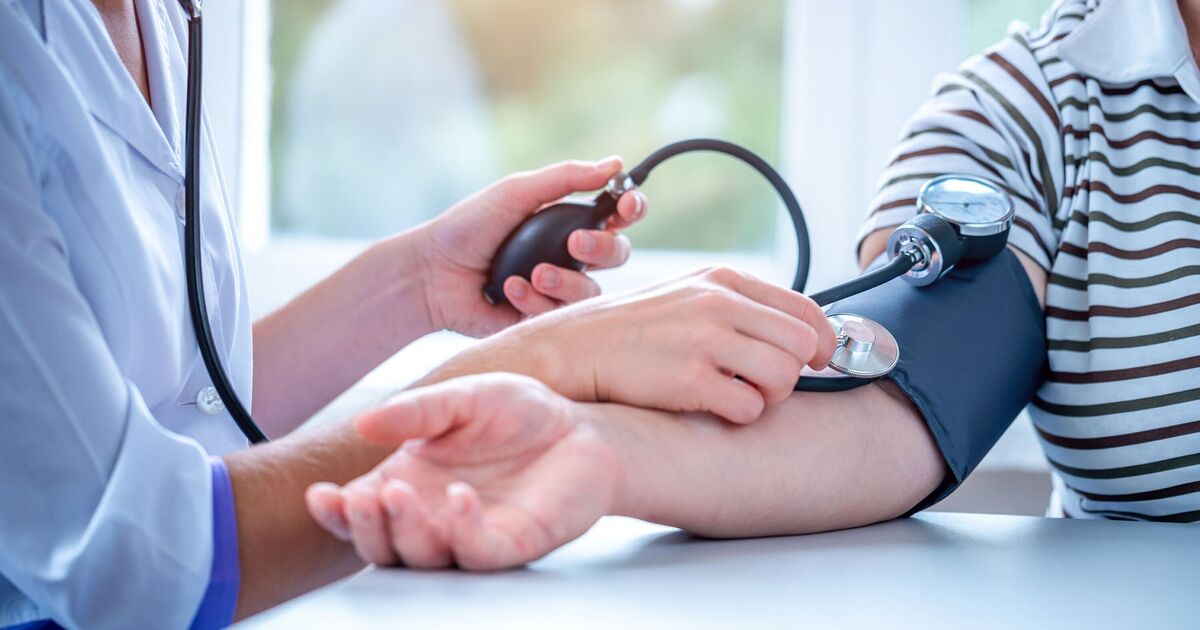
The condition is very common, especially in older adults. The only way to find out if you have high blood pressure is to get your blood pressure checked.
Many pharmacies offer free blood pressure checks for people aged 40 or over. People can find a pharmacy near them that offers free blood pressure checks. Some workplaces also offer blood pressure checks.
How to help lower blood pressure?
Aside from taking any prescribed medication for managing blood pressure, a series of healthy lifestyle changes can help lower your blood pressure in a more natural way. Quite simply, maintaining a “healthy, balanced diet” and aiming for “at least 150 minutes of exercise a week” could lower the risks.
Fruits highest in potassium include dried fruits (apricots, raisins, prunes), avocados, bananas, coconut water, guava, kiwifruit, and melons (cantaloupe, honeydew). All fruits have some form of potassium in them, meaning that people can opt for a variety of their favourites to get added benefits.
The NHS website adds that people should avoid “too much salt”, including salty foods or adding extra salt to meals. Drinks high in caffeine – like coffee, tea and cola – should also be limited.
There are lots of different medicines for high blood pressure. The medicine recommended for you depends on things like how high your blood pressure is, your age and ethnicity.