
Share this @internewscast.com
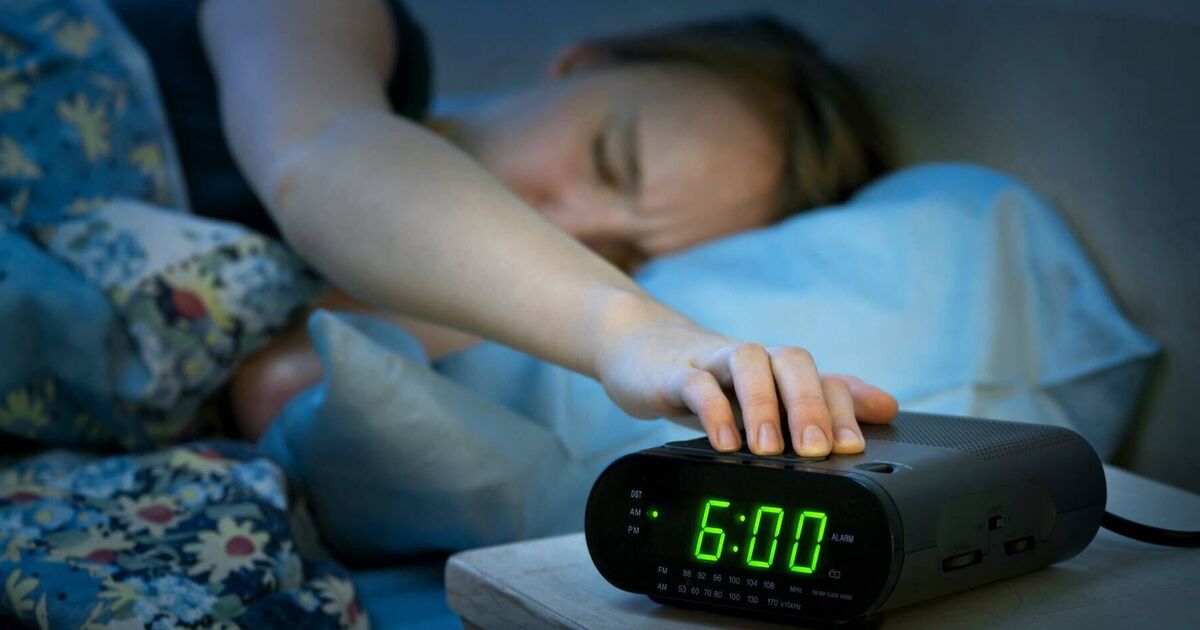
Many individuals are in the habit of setting a series of alarms in an effort to coax themselves out of the cozy comfort of their beds every morning.
If your mornings consist of alarm intervals like “6:30… 6:35… 6:40… okay, now I’ll really get up,” nurse Jordan Bruss has an important message that you should definitely heed.
In a now-viral TikTok, nurse Jordan has warned against the common habit of layering alarms and repeatedly pressing that snooze button.
In the video’s description, she explains: “Maintaining good sleep hygiene is crucial for my physical and mental well-being. I assure you, I wouldn’t be as healthy as I am without conducting thorough research into deep sleep habits.
“Avoid creating unnecessary physical and mental strain on yourself. Elevated cortisol levels can lead to weight gain and retention. So, when your alarm rings, it’s your cue—get up. You’ll feel and look better for it,” reports the Mirror.
Her advice? The habit isn’t helpful – instead, it’s preparing your day for haziness, tension, and a sluggish start.
In her video, Nurse Jordan states: “If you’re someone who relies on multiple alarms, I have some unpleasant news. Waking up to numerous alarms each morning significantly disrupts your REM sleep cycle.
“This actually causes sleep inertia, increased drowsiness, fatigue, mood swings, and it also raises your cortisol levels.
“Every alarm triggers a fight or flight response. So experiencing this repeatedly each morning is highly stressful. When the alarm goes off—just get up,” she advises.
Multiple alarms interrupt your final sleep cycle. You drift off, get startled awake, then the pattern repeats. This broken routine leaves you feeling groggy and sleep inertia persists for extended periods.
Those quick naps reset the mental haze without genuinely revitalising you. Each abrupt awakening releases stress hormones.
Repeated “mini alarms” trigger a fight-or-flight response – scarcely a tranquil beginning to the day. A single, decisive wake-up call proves more gentle.
The longer you stretch the alarm period, the more sluggish you’re likely to feel when eventually rising.
Why it appears helpful (but genuinely isn’t)
Pressing snooze seems kind in the moment – just five extra minutes to soften the transition.
The issue is these brief sleeps aren’t rejuvenating rest.
They merely restart the tiresome cycle.
If you need several alarms to function, your body is probably demanding two vital things – more total sleep and a gentler, more regular waking routine. Sleep experts at Bed Sava have suggested alternative methods to alarms, advising changes to your environment and daily routines so that your body naturally takes on more of the waking up process – without the need for extra alarms.
Start with a bit of light and avoid fully closing the curtains or blinds at night.
Let a touch of dawn seep in, giving your internal clock a natural “time to rise” signal. Pair this with a regular schedule – aim for the same bedtime and wake-up time every day, keeping weekends within roughly an hour of your normal wake-up time.
This pattern of consistency alone can swiftly lessen that heavy, foggy-brain sensation.
Make the final hour of your evening calming for the senses. Lower the lights, step back from bright screens, and partake in a low-intensity activity you truly enjoy – such as reading, gentle stretching, or a few moments of deep breathing.
This lowers arousal and assists in falling (and staying) asleep, removing the need for a flurry of alarms to wake you in the morning. Be mindful of late-day offenders too.
Restricting caffeine intake after mid-afternoon and controlling late-night alcohol consumption can reap benefits the very next morning; both can disturb sleep and cause you to hit snooze out of self-defence.
Let your bedroom play its part. Keep it cool, quiet, and mostly dark – except for a small gap in the curtains to let in the dawn light.
A supportive mattress and the right pillow for your sleeping position can reduce micro-awakenings that leave you feeling worn out.
When you do wake up naturally, embrace it. Fully open the curtains, take a sip of water, and incorporate 30–60 seconds of light movement – such as arm swings, calf raises, or a short walk to the kitchen into your routine.
This small burst of activity gently nudges your brain out of sleep mode without the jolt of another alarm. If mornings continue to be harsh – particularly with loud snoring, gasping, or unrefreshing sleep despite good habits – seek advice from a clinician to rule out issues like sleep apnoea.
Multiple alarms might seem comforting, but they rob you of the smoothest part of your sleep and turn waking up into a series of shocks. Heed Nurse Jordan’s warning: protect your final sleep cycle and rise once, cleanly.
With a hint of morning light, a more consistent schedule, and a wind-down routine that isn’t dreaded, you’ll swap snooze spirals for clearer, calmer starts.