
Share this @internewscast.com

It can make your pet sick (Image: Getty)
Pet owners are being urged to exercise extreme caution after food safety authorities discovered dangerous bacteria in certain animal feed products. Experts found that up to one third of some items harbour harmful pathogens such as Salmonella, Campylobacter and E.coli.
In a recent advisory, pet owners have been strongly advised to remain vigilant following the discovery of hazardous bacteria in certain animal feed products. Food safety experts have revealed that up to a third of these products may contain harmful pathogens, including Salmonella, Campylobacter, and E.coli.
The Food Standards Agency (FSA) has pinpointed raw pet food products as a specific area of concern. They have highlighted the fact that it is not always clear which products contain raw ingredients, as many dried pet treats and chews may also be made from raw meat.
In an official statement, the FSA explained: “Raw pet food consists of unprocessed or uncooked meat, offal, and raw bone. It may not always be obvious that products—such as dried pet treats and chews—contain raw meat.” This guidance underscores the invisible risks linked with these seemingly innocuous items.
Read more: Couples going through divorce urged to remember often overlooked financial assets.
Read more: Former royal gardener shares crucial advice for maintaining a regal garden.
The agency further elaborates: “The meat used in raw pet food originates from animal by-products initially intended for human consumption but later reassigned for pet food use. Despite stringent precautions, the potential for cross-contamination is significantly higher with raw pet food compared to other types.”
A significant number of pet owners opt for raw pet food. However, this survey highlights the potential health hazards these products can pose to both humans and animals , reports the Mirror.
Rick Mumford, the FSA’s Interim Chief Scientific Advisor, cautions: ” Good hygiene practices and safe handling can help reduce the risks to you and your family. Follow the same hygiene principles you would when preparing food for the humans in your life; washing hands thoroughly with soap and water, cleaning all surfaces, and storing and defrosting pet food and treats away from human food.”
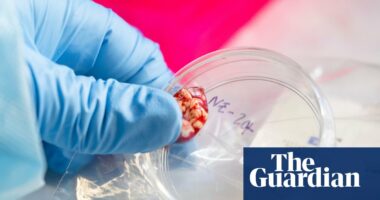
The FSA carried out a survey on 380 raw dog and cat food products purchased from retail outlets and online between March 2023 and February 2024. The UK Health Security Agency (UKHSA) conducted laboratory testing on these items. When problems were detected, the FSA collaborated with local authorities to address them.
These findings are being released to remind pet owners of the importance of sticking to basic hygiene practices when storing, defrosting, handling and preparing these products as this can minimise the risk of illness to themselves and their families. The survey discovered that:
- 35% contained harmful bacteria, including Salmonella, Campylobacter and E. coli that can cause illness in people
- 29% failed to meet UK legal safety standards
The FSA advises that young children, pregnant women, the elderly, and those with compromised immune systems are at a higher risk of severe illness and should exercise extra caution when handling, storing and preparing raw pet food. Pet owners who are worried about the risks to their pets should consult their vet about suitable feeding options.

Some dog treats contain raw meat (Image: Getty)
Salmonella, Campylobacter, and E.coli can lead to diarrhoea, fever, and abdominal cramps. The bacteria is transmitted through contaminated, undercooked food (poultry, raw meat, unpasteurised milk) and poor hygiene.
The regulations governing pet food safety standards are strict. The FSA has confirmed it is collaborating with local authorities to ensure feed businesses understand their obligations regarding pet food safety, whilst also strengthening guidance for pet owners on the proper handling of raw pet food. More comprehensive information about safely managing raw pet food is available on the FSA’s dedicated raw pet food guidance page.