
Share this @internewscast.com
We all have our own preferences about where to store certain food items, such as whether ketchup should be kept in or out of the fridge, or where eggs are best kept. However, a recent study has found many Brits are putting themselves and others at risk of food poisoning.
The study uncovered some worrying trends regarding how households organise their fridge items. And now, an expert has cautioned that proper fridge organisation is ‘essential’ for those wishing to avoid falling ill. The survey, conducted by white goods and tech retailer Currys, questioned 2,000 people about their fridge habits.
It found that more than one in five fridge owners were unaware the ideal fridge temperature should be 0-5C, which is the official recommendation of the Food Standards Agency (FSA). As well as this, some 42% confessed to not regularly checking their fridge temperature, suggesting that potentially millions in the UK are exposing themselves to the risk of food poisoning, as reported by the Daily Record.
When it came to specific storage details, 61% admitted they didn’t know that it’s not advised to store dairy products, such as milk, in the fridge door as it’s typically the warmest part of the appliance. This is due to the temperature fluctuating when the door is opened and closed.
22% of those asked didn’t know raw meat should be placed on the lowest shelf in the refrigerator, and a third confessed to consuming meat from the fridge without being entirely convinced of its safety.
A glance at Google’s UK data reveals over 31,000 queries like “should I keep eggs in the fridge”, a jump of 26% from the previous year. FSA guidance states you should: “Store eggs in a cool, dry place, ideally in the fridge and keep them apart from other foods.”
Kitchen temperatures can fluctuate with changing weather and when cooking appliances are in use, which could potentially compromise egg quality if they’re kept on the counter.
Working with Currys, Dr. Helen Onyeaka, an Associate Professor in the School of Chemical Engineering at the University of Birmingham, specialising in microbiology and sustainable food systems, shared her tips for safer food storage.
Dr Onyeaka said: “To ensure food safety and minimise contamination risks, proper organisation and storage are essential.” Here’s her tips to reorganise your fridge safely:
Top Shelf
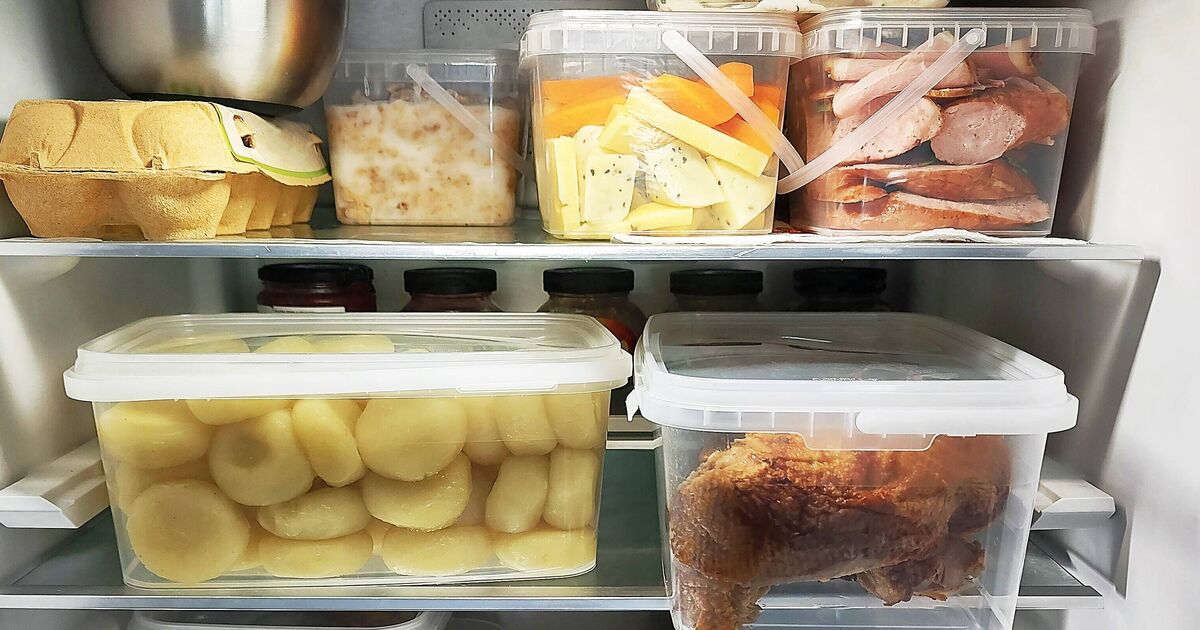
This is where you should store ready-to-eat foods such as leftovers, cooked meals, and packaged dairy products. This reduces the risk of contamination from raw foods below.
Middle Shelf
Suitable for dairy products like milk, cheese, and yogurt, as these require consistent cold temperatures.
Bottom Shelf
This is the coldest area, ideal for raw meat, poultry, and fish. Always store these items in sealed, leak-proof containers to prevent raw juices from contaminating other foods.
Crisper drawers
Designed for fruits and vegetables. Keep fruits and vegetables in separate drawers to prevent ethylene gas emitted by fruits from speeding up vegetable spoilage.
Fridge door
The warmest area, suitable for condiments, sauces, and beverages.