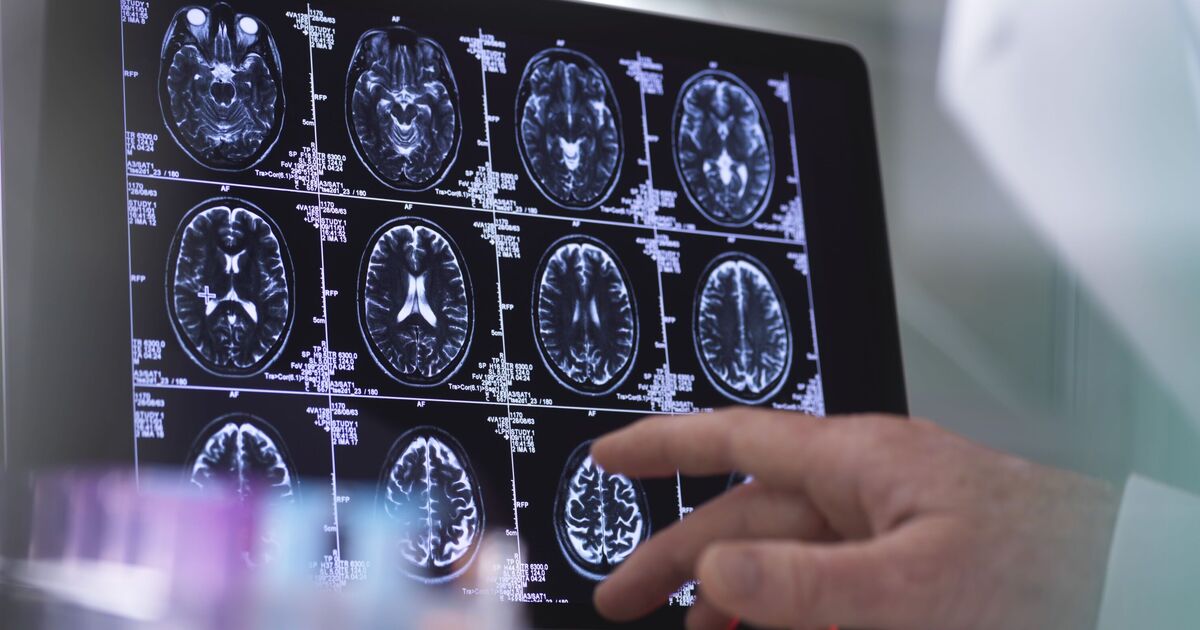

New research indicates that individuals with suboptimal heart health during middle age may face a higher risk of developing dementia later in life. This study, involving 6,000 participants, discovered that those who eventually received a dementia diagnosis exhibited increased levels of a protein known as troponin, a marker of heart muscle damage, up to a quarter-century prior to their diagnosis. Participants with elevated troponin levels at the study’s outset had a 38% increased likelihood of developing dementia.
Professor Eric Brunner, a specialist in epidemiology and health at University College London, commented: “The brain damage associated with dementia builds up gradually over many years before symptoms manifest. Managing risk factors that are common to heart disease, stroke, and dementia during middle age, such as hypertension, could potentially decelerate or even prevent the onset of both dementia and cardiovascular disease.”
Doctors frequently assess troponin levels when they suspect a patient may have experienced a heart attack.
Elevated troponin levels, even in the absence of symptoms, can signal ongoing heart muscle damage or functional issues. This situation can influence the health of blood vessels and subsequently affect the brain’s blood supply.
The research team utilized data from the Whitehall II study, a long-term investigation tracking civil servants since 1985.
Participants underwent troponin testing between the ages of 45 and 69 and were monitored for an average duration of 25 years. During this period, 695 individuals were diagnosed with dementia.
Prof Brunner added: “We now need to carry out studies to investigate how well troponin levels in the blood can predict future dementia risk.
“Our early results suggest that troponin could become an important component of a risk score to predict future probability of dementia.”
Professor Bryan Williams, chief scientific and medical officer at the British Heart Foundation, which part-funded the research, said: “This study is an important reminder that our heart and brain health are inseparable.
“Our advice to focus on heart health throughout life also gives our brains the best chance of ageing well. That means keeping our blood pressure under control, managing our cholesterol levels, staying active, maintaining a healthy weight, and not smoking.
“This also underscores why the British Heart Foundation is investing £10 million into its Centre for vascular dementia research, alongside the UK Dementia Research Institute, to find better ways to prevent and treat the devastating impact of vascular dementia.”
The findings were published in the European Heart Journal.