Share this @internewscast.com
Get to know “Is Instant Noodles Maggi Healthy To Consume?” Maggi instant noodles are not particularly nutritious and can have negative health effects when consumed frequently. They are high in calories, primarily from carbohydrates and fats, and low in protein, fiber, vitamins, and essential nutrients.
Maggi contains refined flour, which is devoid of nutritional value and can contribute to obesity when consumed in excessive amounts. The noodles are also high in sodium, which can lead to high blood pressure and other health risks.
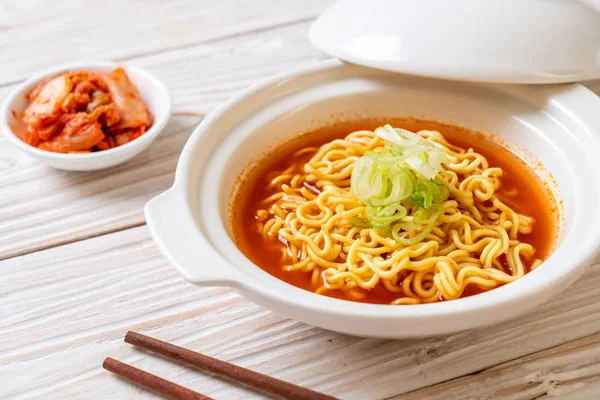
Trans fats, found in Maggi, are a concern because they can increase bad cholesterol levels and contribute to heart diseases. Maggi also contains preservatives, such as monosodium glutamate (MSG), which can enhance flavor but may have negative long-term effects on health. Consuming Maggi daily or more than once a week has been linked to an increased risk of high blood pressure, obesity, cholesterol, diabetes, heart disease, and stroke. However, eating Maggi occasionally, once or twice a month, is relatively safer. It is recommended to add vegetables, lean meat, and tofu to Maggi to improve its nutritional content.
Calories in 1 Maggi Noodles and Recommendation
It is not recommended to consume more than one serving of Maggi noodles per day due to their high-calorie content, lack of essential nutrients, and potential health risks. One standard serving of Maggi noodles is approximately 70-80 grams of dry noodles and contains between 290 to 350 calories which can contribute to weight gain and other health issues when consumed frequently. However, the exact calorie count can vary depending on the specific flavor and formulation of Maggi noodles. For example, Maggi 2-Minute Noodles contain about 310 calories per packet. To maintain a healthy diet, it’s best to consume Maggi noodles in moderation, and to add vegetables, lean meat, and tofu to improve their nutritional content.
Nutritional Breakdown: A Closer Look at What’s Inside
Maggi noodles typically contain refined wheat flour, vegetable oil, flavorings, spices, and a seasoning packet. Let’s break down the key nutrients:
- Carbohydrates: High in refined carbohydrates, providing around 200-300 calories per serving. This can lead to blood sugar spikes and dips, leaving you feeling hungry soon after.
- Sodium: A single serving of Maggi noodles often packs around 800-1000mg of sodium, exceeding the recommended daily intake of 2,300mg. This can contribute to high blood pressure and heart disease risks.
- Fat: Varies depending on the specific variety, but some contain trans fats, which raise “bad” LDL cholesterol and increase heart disease risk. The World Health Organization recommends eliminating trans fats from your diet.
- Protein: Low in protein, typically around 5-10g per serving. This is insufficient for building and maintaining muscle mass or feeling satiated.
- Vitamins and Minerals: Generally low in essential vitamins and minerals like fiber, vitamin A, vitamin C, and iron.
Health Risks and Side Effects: Separating Fact from Fiction
While the convenience of instant noodles is undeniable, frequent consumption can pose some health risks:
- Heart Disease: The high sodium and potential presence of trans fats in Maggi noodles contribute to increased risk factors for heart disease, the leading cause of death globally. A 2020 study published in the Journal of Nutrition found an association between frequent instant noodle intake and higher cardiovascular disease risk.
- Digestive Issues: The refined flour used in Maggi noodles is low in fiber, which can lead to constipation and bloating.
- Nutrient Deficiencies: Due to their low vitamin and mineral content, regular consumption of Maggi noodles may contribute to nutrient deficiencies, especially for individuals with limited dietary diversity.
- Metabolic Syndrome: Studies suggest a link between frequent instant noodle consumption and an increased risk of metabolic syndrome, a cluster of conditions including obesity, high blood pressure, and abnormal blood sugar levels.
However, it’s important to remember individual differences and moderation. Some people may be more sensitive to the potential negative effects than others. Additionally, enjoying Maggi noodles occasionally as part of a balanced diet is unlikely to have significant adverse health impacts.
The MSG Myth: Understanding the Science
Monosodium glutamate (MSG) is a flavor enhancer commonly found in Maggi noodles. While some individuals report experiencing headaches and other symptoms after consuming MSG, extensive research has not found conclusive evidence linking it to adverse health effects. The FDA and other regulatory bodies consider MSG safe for consumption within reasonable limits.
Recommendations for Healthier Consumption: Making Maggi Noodles a Better Choice
Fortunately, there are ways to make Maggi noodles a more nutritious and enjoyable part of your diet:
- Boost Vegetables: Add chopped vegetables like broccoli, carrots, and onions for additional vitamins, minerals, and fiber. A 2019 study published in the Journal of Food Science found that adding vegetables to instant noodles significantly increased their nutritional value.
- Lean Protein Power: Include lean protein sources like grilled chicken, boiled eggs, or tofu for increased satiety and muscle building.
- Seasoning Savvy: Limit the seasoning packet and explore healthier alternatives like herbs, spices, and low-sodium soy sauce.
- Mindful Moderation: Enjoy Maggi noodles occasionally as part of a balanced diet rich in fruits, vegetables, whole grains, and lean protein.
FAQs: Addressing Your Instant Noodle Concerns
- Are Instant Noodles Good for Weight Loss? No, the high carbohydrate content and low protein content make them unsuitable for weight loss goals.
- Are Instant Noodles Addictive? While some studies suggest psychological factors may play a role in frequent consumption, there is no evidence of physical addiction to instant noodles.
- Are Instant Noodles Safe for Children? Children are more sensitive to sodium and may experience negative health effects from excessive consumption. Ensure moderation and consider healthier alternatives where possible.
Conclusion: A Balanced Perspective on Instant Noodles
Maggi noodles offer convenience and affordability, but their nutritional profile necessitates mindful consumption. By incorporating vegetables, protein, and healthy seasoning alternatives, you can enjoy them occasionally without compromising your health. Remember, moderation and a balanced diet are key to optimal well-being. If you have specific health concerns, consult a registered dietitian or healthcare professional for personalized guidance.