
Share this @internewscast.com
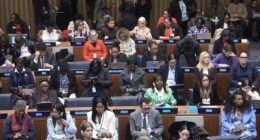
When 45,000 of the world’s leading cancer experts descend on Chicago each year for the American Society of Clinical Oncology’s annual meeting, there is always a lot of talk about drugs. Billboards across the city bear the names of new medicines and goody bags containing leaflets about the latest pharmaceutical offerings are delivered to our conference hotel rooms.
But this year, there has been huge excitement about a very different intervention: the power of exercise. We all know by now that exercise is good for us, but surprisingly there has never before been a randomised controlled trial (RCT) — the gold standard for proving the effects of a particular intervention — that looked at whether exercise improved cancer survival.
So, 16 years ago, long-distance runner Dr Christopher Booth and his colleagues set out to answer this question.
Their pioneering study found that patients who received an “exercise prescription” and were supported by a personal trainer to increase their activity levels were 28% less likely to see their cancer return and 37% less likely to die over eight years.
The amount of exercise needed was equivalent to brisk walking for 45 minutes, three to four times per week, but could also include other activities such as swimming, cycling or cross-country skiing.
Colon cancer is the most common type of bowel cancer, claiming 31,800 UK lives every year. The study looked specifically at patients who had been treated for stage two or three disease with surgery and chemotherapy.
However, there were promising signals that exercise could benefit patients with other types of cancer too, with lower rates of new breast and prostate diagnoses among those who exercised.
NHS England’s top doctor, Prof Sir Stephen Powis, is excited. He said the “landmark” findings suggest exercise can “help turbocharge the body’s ability to prevent cancer from returning after treatment and save more lives”.
With a price tag of around £2,000-£3,000 per patient for the three years of health coaching, it is also a far cheaper intervention than many cancer drugs.
When you take into account the potential savings to the NHS through prevention of recurrent or new cancers, reducing demand for treatment, the potential impact is huge.
At a press conference announcing the findings, a panel of experts was asked whether patients with other cancers should also consider exercising or if more research was needed first.
ASCO’s chief medical officer, Dr Julie Gralow, replied: “We shouldn’t wait to be prescribing this. If the only [negative] thing is that you get some more aches and pains, why wouldn’t we recommend it to our patients?”