
Share this @internewscast.com

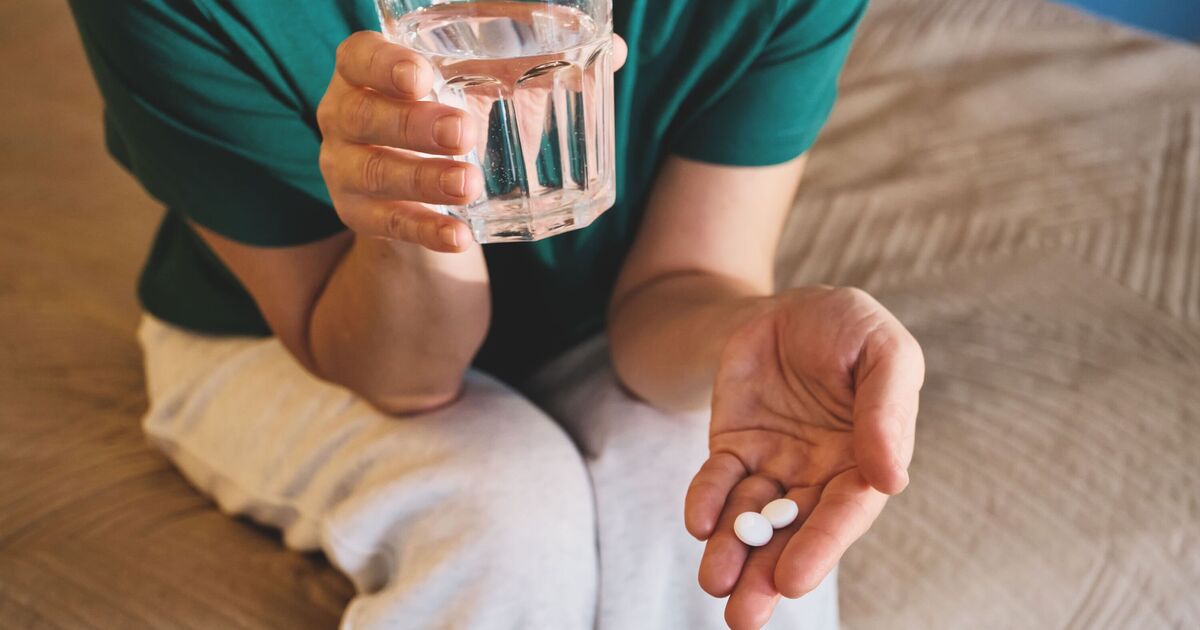
Taking vitamin D is vital at this time of year – but it it possible to take too much, doctors say (Image: Getty)
The NHS has given a warning for anyone taking vitamin D – and said it could lead to a potentially killer disease if people take too much for too long. Taking vitamin D supplements is advocated by UK health chiefs – especially at this time of year.
The NHS has issued a cautionary note regarding vitamin D consumption, highlighting the potential dangers of excessive intake over prolonged periods. As the colder months approach, UK health authorities recommend vitamin D supplements, given the limited sunlight exposure from October to March.
The health service advises: “During these months, our bodies cannot synthesize sufficient vitamin D from sunlight. To maintain bone and muscle health, a daily supplement of 10 micrograms of vitamin D is recommended. These supplements are widely available at pharmacies and retailers.”
Economically, vitamin D supplements are quite accessible, with 400 tablets available online for under £8, translating to less than 2p per day. Beyond bone health, vitamin D has also been associated with lowering the risk of dementia.
Research conducted in France indicates that individuals with vitamin D levels below 50 nmol/L are nearly three times more likely to develop Alzheimer’s disease. For those at risk of vitamin D deficiency, including all children aged 1 to 4 and infants not consuming more than 500ml of infant formula daily, a year-round supplementation is advisable.
However, pharmacists and the NHS warn against the dangers of excessive supplementation. The NHS explains that prolonged overconsumption of vitamin D can lead to hypercalcaemia, a condition where excessive calcium accumulates in the body, potentially weakening bones and causing harm to the kidneys and heart.
For those opting to take vitamin D supplements, 10 micrograms a day is deemed sufficient for most individuals.
Children aged 1 to 10 years should not have more than 50 micrograms (2,000 IU) a day. Infants under 12 months should not have more than 25 micrograms (1,000 IU) a day. The NHS added: “Some people have medical conditions that mean they may not be able to safely take as much. If in doubt, you should consult your doctor.
“If your doctor has recommended you take a different amount of vitamin D, you should follow their advice.
“You cannot overdose on vitamin D through exposure to sunlight. But always remember to cover up or protect your skin if you’re out in the sun for long periods to reduce the risk of skin damage and skin cancer.”
The NHS says: “Vitamin D helps regulate the amount of calcium and phosphate in the body. These nutrients are needed to keep bones, teeth and muscles healthy. A lack of vitamin D can lead to bone deformities such as rickets in children, and bone pain caused by a condition called osteomalacia in adults.
Find out about the symptoms you need to watch out for and get health advice with our free health newsletter from the Daily Express
“Government advice is that everyone should consider taking a daily vitamin D supplement during the autumn and winter. People at high risk of not getting enough vitamin D, all children aged 1 to 4, and all babies (unless they’re having more than 500ml of infant formula a day) should take a daily supplement throughout the year.”
Expert Dr Michael Mosley, who sadly died in 2024, had advocated taking vitamin D supplements. He said: “I take 25 mcg (1,000 IU), which is within the limits of what’s considered safe (anything under 100 mcg a day for adults or 50 mcg for children, according to the NHS) but closer to the sort of doses studies show you need to take to ward off infections, cancers, and maybe even dementia.”
For NHS advice on Vitamin D click here.