
Share this @internewscast.com
For the first time, the NHS is introducing a chickenpox vaccine as part of the UK’s child vaccination program, beginning today. This vaccine will be integrated into the existing MMR vaccine, which already protects against measles, mumps, and rubella.
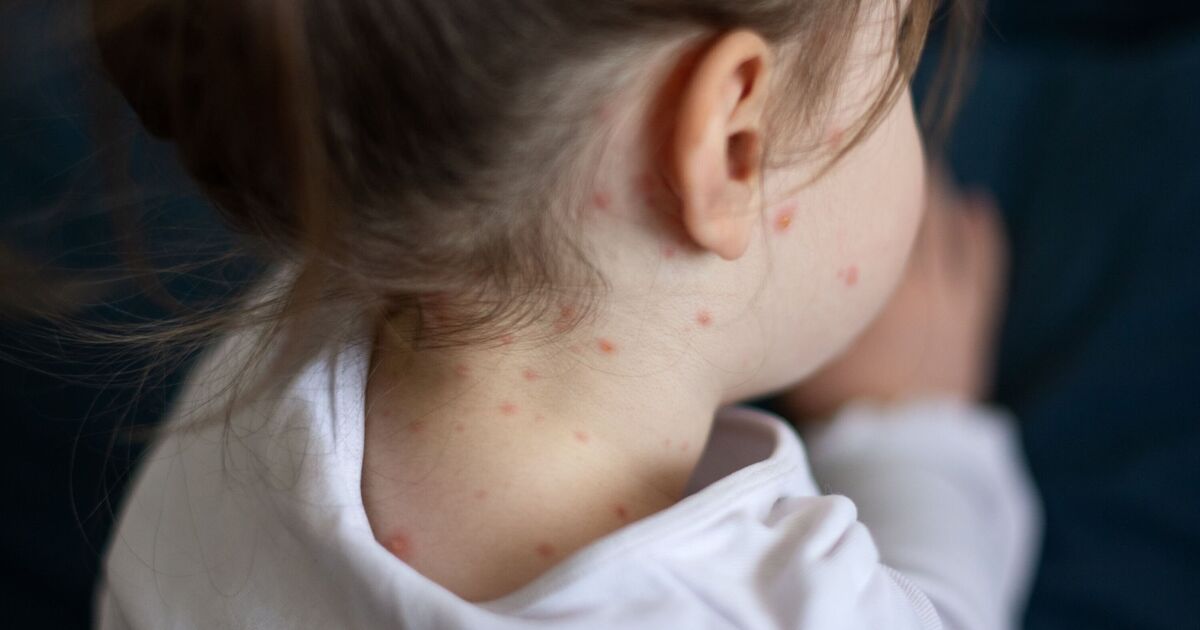
Chickenpox, caused by the varicella-zoster virus, is a common illness that primarily affects children. While most cases result in mild symptoms manageable at home, a small percentage can escalate into severe complications or even result in death.
Health Secretary Wes Streeting hailed this development, stating, “Today signifies a historic advancement in safeguarding the health of our children. For the first time, the NHS is incorporating chickenpox vaccination into our standard immunization schedule for children. Many families have faced the risk of chickenpox, which can lead to serious health issues.”
Streeting also highlighted the disruption caused by the disease, noting, “Chickenpox often results in significant anxiety and inconvenience, with children having to miss school or nursery, and parents needing to take time off work to care for them.”
“This new vaccine offers parents peace of mind, knowing their children are safeguarded against a disease that results in thousands of hospitalizations each year,” he added.
The NHS’s announcement follows the acceptance of a recommendation by the Joint Committee on Vaccination and Immunisation (JCVI) by the UK and devolved governments, effective from 2023.
The rollout across the four nations of the UK will see hundreds of thousands of children become eligible for the jab from Friday. GPs will be contacting families to offer the new combined MMRV vaccine as part of the routine childhood vaccination programme.
Dr Gayatri Amirthalingam, deputy director of immunisation at the UK Health Security Agency, said: “Most parents probably consider chickenpox to be a common and mild illness, but for some babies, young children and even adults, chickenpox can be very serious, leading to hospital admission and tragically, while rare, it can be fatal.
“This vaccine has been used extensively for many years in a number of countries and has been shown to be highly effective with a good safety profile. The programme will have a really positive impact on the health of young children.”
The combined MMRV jab has been used in other countries for decades and is part of routine childhood vaccines in the US, Canada, Australia and Germany.
In rare cases, chickenpox complications can include bacterial infections such as group A streptococcus, a swelling of the brain called encephalitis, inflammation of the lungs called pneumonitis, and strokes. Very young infants under four weeks of age are more likely to experience serious illness, as are adults.
Until now, parents concerned about chickenpox had to pay privately for their child to be vaccinated at a cost of around £150. The NHS only offered the jab for children in close contact with someone at risk of getting seriously ill if they catch it, such as a parent with cancer.
NHS England said children born on or after January 1, 2025, will be offered two doses of the MMRV vaccine at 12 months and 18 months, while children born between July 1, 2024, and December 31, 2024, will be offered two doses at 18 months and three years and four months.
Children born between September 1, 2022 and June 30, 2024, will be offered one dose at three years and four months, and the NHS is also planning a single-dose catch-up programme later in the year for children born between January 1, 2020, and August 31, 2022.
Professor Steven Turner, president of the Royal College of Paediatrics and Child Health, said: “It is welcome news that a chickenpox vaccine is now being rolled out across England and the whole of the UK in order to protect children and young people.
“Vaccinations are proven to be a very effective way to protect children’s health and prevent serious illness. Making sure your child is vaccinated is a vital step for parents and carers in keeping them safe.”