
Share this @internewscast.com
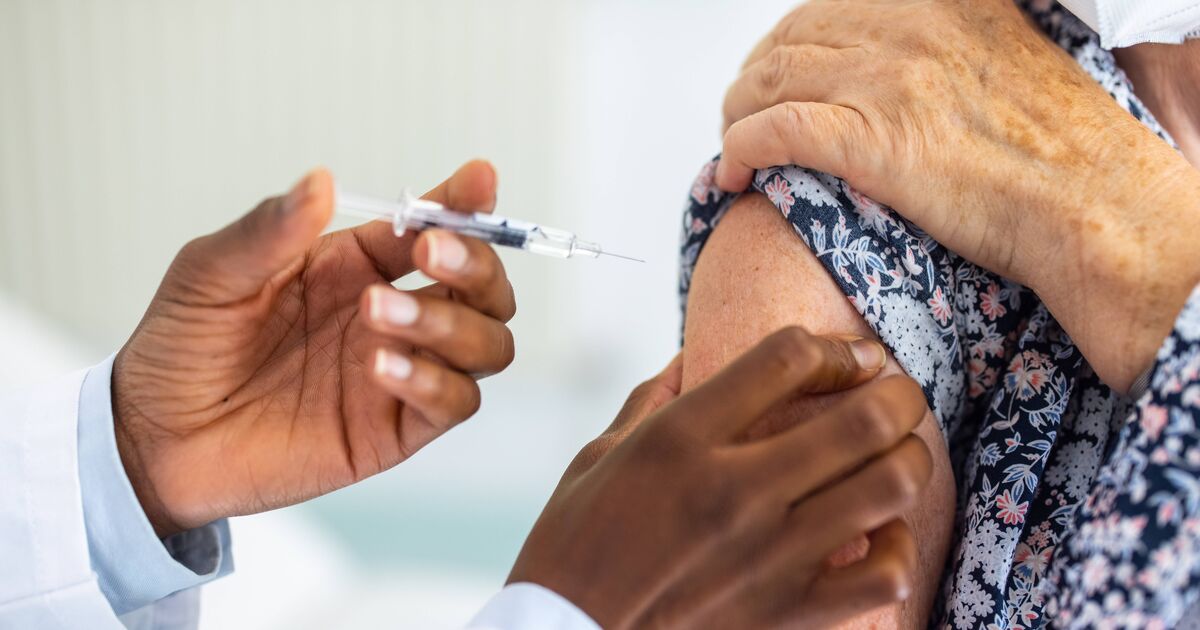
With flu cases on the rise in the UK, authorities are urging vulnerable populations to receive vaccinations. The NHS has raised alarms about a potential surge in infections, which has already prompted some schools to shut down due to an earlier-than-usual onset of flu season.
The UK Health Security Agency (UKHSA) took to X this week, emphasizing the importance of flu vaccination with a message: “Safeguard yourself with a flu vaccine; it acts like a shield for individuals with chronic conditions such as #kidney disease. Stay resilient. Get your shot.”
The flu vaccine is specifically crafted to combat influenza, which can pose serious risks to certain individuals. Each year, as autumn or early winter approaches, the NHS rolls out these vaccinations to those more susceptible to severe flu complications.
According to UKHSA guidelines, twelve key groups have been prioritized for flu vaccinations this year. Six of these groups became eligible from September 1, with the remaining six gaining eligibility from October 1.
Eligibility began for some groups starting September 1, while others could receive their vaccinations from October 1, 2025.
- Pregnant women
- All children aged two or three years old on August 31, 2025
- Children with certain long-term health conditions (aged six months to less than 18 years)
- Primary school-aged children (from reception to Year 6)
- Secondary school-aged children (from Year 7 to Year 11)
- All children in clinical risk groups aged from six months to under 18 years
And from October 1, 2025, this included:
- Everyone aged 65 years old and over
- Anyone aged 18 to 65 with long-term health conditions
- Care home residents
- Carers in receipt of Carer’s Allowance, or those who are a main carer of an elderly or disabled person
- Those living with people who are immunocompromised
- Frontline health and social care workers
The NHS App can be used to check eligibility for vaccinations. These jabs are available at GP surgeries, selected pharmacies, maternity clinics, and care homes.
Health or social care workers may also be able to get their jab at their place of work. It’s possible to have a flu jab alongside other vaccines, such as COVID-19 and shingles vaccines.
While the RSV vaccine is typically not given at the same time, the NHS indicates that a doctor might administer both vaccines together if necessary.
In light of a recent influx of flu cases, a spokesperson at No 10 also advised this week: “There is long-standing guidance in place for people on a range of measures they can consider taking to help limit the spread of winter bugs if they have flu-like symptoms.
“This is neither new nor an instruction but simply something people can consider when trying to limit the spread of winter respiratory illnesses.”
According to a previous Mirror report, they added: “It’s been a long-standing position. The best defence against flu is the vaccine, which is why we’re ramping up our vaccination efforts this winter with almost 17 million flu jobs already delivered, which is 350,000 more than this time last year.”
For more information, head to the NHS website.