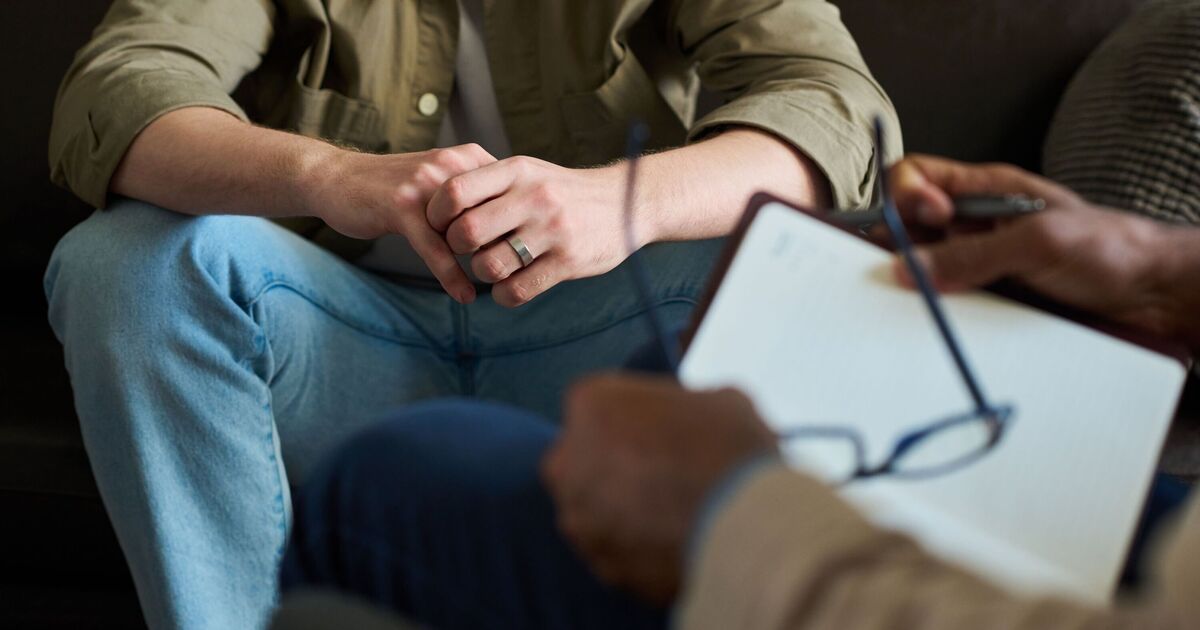

In a recent survey of 2,000 adults in the UK, it was revealed that nearly 25% of men are unwilling to seek professional mental health support, even when facing difficulties. While 38% of respondents have tried therapy or counseling at some point, a steadfast 22% of men remain resistant to the idea.
Among those hesitant, 13% believe they should handle their issues independently, and 11% doubt that therapy would be beneficial. Moreover, around 10% feel uncomfortable discussing their emotions openly. Of those who have attempted therapy, 21% eventually stopped attending sessions, with 11% deterred by the notion that therapy isn’t something meant for men.
Richard Whitenstall, a qualified therapist with BetterHelp, the organization behind the study, commented, “The stigma surrounding mental health is deeply entrenched, particularly among men, where seeking help is often misconstrued as a sign of weakness.”
“Research indicates that many men give therapy only one attempt. If their initial experience is unhelpful, they tend to discontinue seeking support. It’s crucial to ensure that the first encounter is both positive and accessible,” he added.
The research also uncovered that 19% of individuals who have tried counseling are reluctant to disclose this to friends. Men, in particular, are six times more likely than women to fear ridicule from their peers for attending therapy.
On a positive note, half of the men who have experienced therapy expressed a willingness to try it again, showing an increasing acceptance of online therapy options. Notably, men appear to be twice as open as women to engaging in video therapy sessions.
But of those who didn’t continue with their sessions, 12% blamed this on a previous negative experience with two in 10 suggesting the professional supporting them didn’t really understand their experiences.
What’s more, a quarter admitted they were put off as they felt really nervous before their sessions.
Richard Whitenstall added: “It’s understandable that previous experiences can affect someone’s willingness to seek professional help again.
“But it’s worth knowing that there are many different types of help available, as one size most certainly does not fit all.
“Online therapy can offer a softer entry point, so for men hesitant about traditional therapy, this can feel less intimidating and more accessible.”