Endothelial dysfunction is a significant contributor to the development of cardiovascular disease, and polyphenols have been shown to improve endothelial function by increasing the bioavailability of nitric oxide, a molecule that plays a crucial role in maintaining healthy blood vessels.
3. Better Cognitive Function
Polyphenols may also play a role in maintaining cognitive function and preventing cognitive decline.
Studies have shown that polyphenols can improve memory and cognitive function in older adults and may also reduce the risk of neurodegenerative diseases such as Alzheimer’s disease.
4. Lowered Risk of Certain Cancers
Polyphenols have been linked to a lowered risk of certain types of cancer, including breast, colon, and prostate cancer.
Studies have shown that polyphenols can inhibit the growth and proliferation of cancer cells and may also reduce the risk of cancer by scavenging free radicals and other reactive oxygen species that can damage cells and DNA.
Foods Rich in Polyphenols
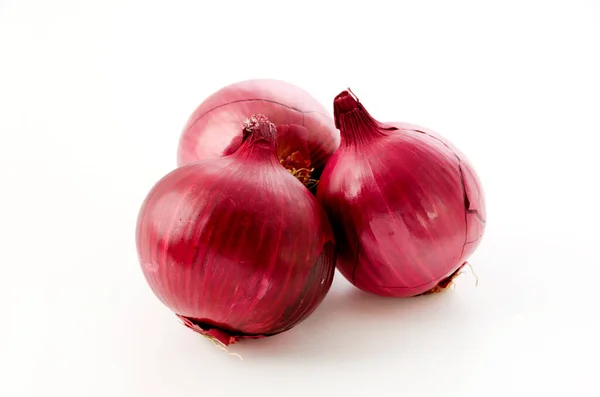
Polyphenols are found in a wide range of plant-based foods, including fruits, vegetables, nuts, and seeds.
Fruits
Fruits that are particularly rich in polyphenols include berries, such as strawberries, raspberries, and blueberries, as well as cherries, apples, and pomegranates.
Vegetables
Vegetables that are rich in polyphenols include artichokes, broccoli, spinach, kale, and onions.
Read Related Also: Potential cure for sickle cell disease raises few concerns for FDA panel
Nuts and Seeds
Nuts and seeds that are rich in polyphenols include almonds, walnuts, pecans, and flaxseeds.
How to Maximize Your Polyphenol Intake
To maximize your polyphenol intake, it’s essential to consume a wide variety of plant-based foods, including fruits, vegetables, nuts, and seeds.
In addition, certain cooking methods, such as boiling and frying, can reduce the polyphenol content of foods. Therefore, it’s best to consume these foods raw or lightly cooked to preserve their polyphenol content.
Potential Side Effects of Polyphenol Consumption
While polyphenols are generally considered safe, consuming large amounts of these compounds can cause gastrointestinal discomfort, including bloating, gas, and diarrhea.
It’s also essential to note that some polyphenols, such as those found in tea and coffee, can interfere with the absorption of certain minerals, such as iron and zinc.
Final Note…
In summary, polyphenols are a group of naturally occurring compounds with potent antioxidant properties. They are found in a variety of plant-based foods and have been linked to numerous health benefits, including improved heart health, reduced inflammation, better cognitive function, and a lowered risk of certain cancers. While consuming polyphenols in moderation is generally considered safe, it’s essential to be mindful of potential side effects and to consume these compounds through a varied diet of fruits, vegetables, nuts, and seeds. By incorporating these foods into your diet and being mindful of cooking methods, you can help maximize your polyphenol intake and reap the potential health benefits.
I hope this article has been informative and helpful in understanding the role and benefits of polyphenols in our diets. If you have any further questions or concerns about polyphenol, be sure to consult with your healthcare provider or a registered dietitian.
Note: This article is written based on scientific evidence found by the INC team. Sources are duly referenced with keywords hyperlinked to source websites and are clickable for reference.