
Share this @internewscast.com
When Sandra Burke’s husband accidentally stepped on her foot, the impact was severe enough to fracture it in 14 different places. Subsequent medical scans revealed that Sandra, who was 71 at the time, was suffering from osteopenia, an early indicator of bone thinning that can eventually lead to osteoporosis.
In the UK, osteoporosis affects over three million people, significantly increasing the likelihood of serious and potentially life-threatening fractures due to fragile bones.
However, the number of those at risk of bone density issues is believed to be much higher. Experts suggest that up to 40% of individuals over the age of 50 might have osteopenia. Notably, it’s not just a condition associated with aging. Actress Gwyneth Paltrow was diagnosed with it at the relatively young age of 37.
Unlike osteoporosis, which often requires medication, osteopenia can be addressed and potentially reversed through lifestyle modifications. The challenge, however, is that many people remain unaware of their condition until they experience a significant fracture, as routine scans are typically reserved for those with these injuries.
“In a strange way, I was fortunate to have had the accident; otherwise, I would have remained unaware of my condition. Like anyone, the prospect of developing osteoporosis was something I wanted to avoid,” Sandra reflects.
Determined to improve her bone health, Sandra committed to a rigorous exercise routine, participating in five classes weekly. Her regimen included two Pilates sessions, a conditioning class, yoga, and regular workouts on an exercise bike.
‘I had been going to pilates for years but after my diagnosis I added the strength classes, and I found that made a real difference,’ she says.

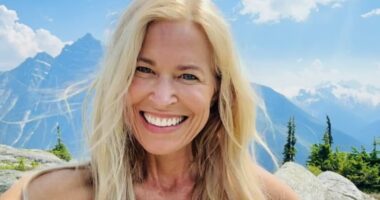
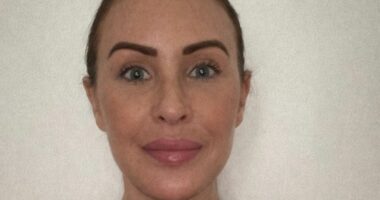
After Sandra Burke embarked on a strict training regime and made changes to her diet, she has completely reversed her osteopenia
Alongside her packed training schedule, she made changes to her diet.
‘I follow the Mediterranean diet, make sure I eat plenty of green vegetables and avoid ultra-processed foods,’ says Sandra.
‘Doctors told me I needed calcium tablets, but I just eat a lot of cheese – although I do take a multivitamin supplement.’
Recent scans show that Sandra, now 81, has completely reversed her osteopenia.
‘I really feel the difference now. I feel as good as when I was 40, honestly – I feel great,’ she says.
Experts warn that many more people need to be aware that bone thinning can be prevented.
‘For most people, this is a silent condition,’ says Professor Hamish Simpson from the Academic Centre for Healthy Ageing at Queen Mary University of London. ‘You are unlikely to know you are suffering from bone thinning until you have a fracture, so prevention is key.’
It’s a fact
Research suggests that women can lose up to 20 per cent of their bone density in the first seven years of the menopause.

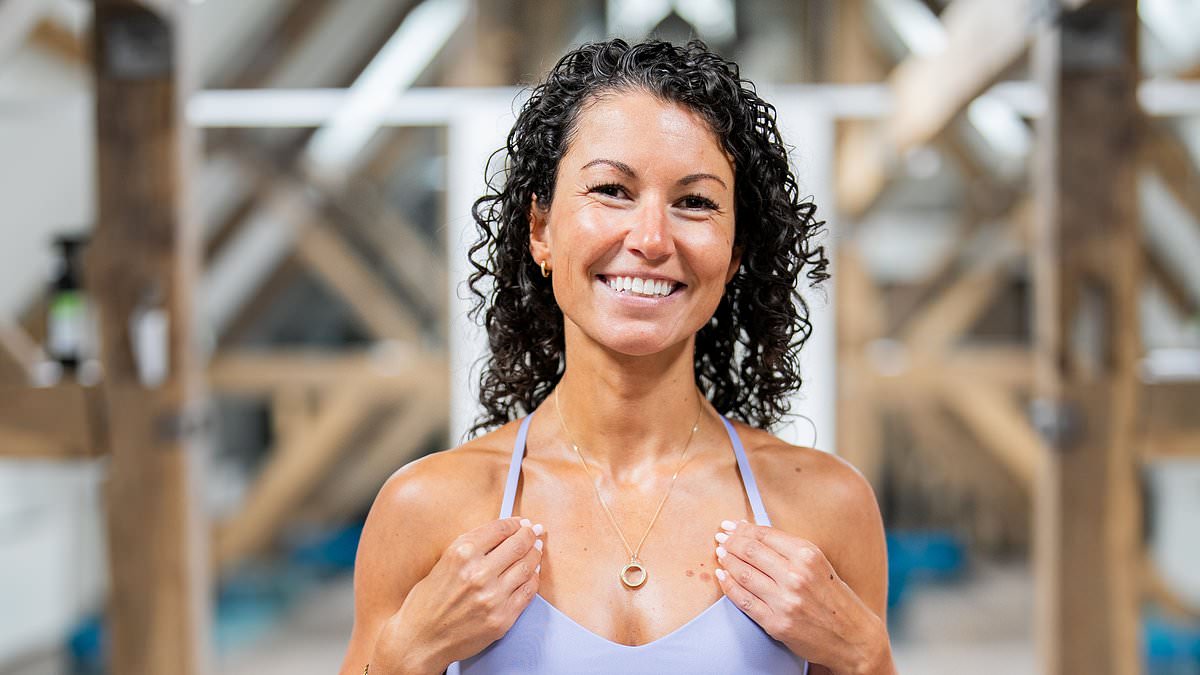
Strength and conditioning coach Victoria Mann reversed her bone condition through exercise
Smokers, heavy drinkers, people who never exercise and post-menopausal women are most at risk, although bone loss is also a natural part of ageing.
The condition is diagnosed with a Dexa scan, which measures how much bone mineral – mainly calcium – you have compared with a healthy person in their 20s. A score of zero is normal. Between -1 and -2.5 indicates osteopenia, while anything below -2.5 is classed as osteoporosis.
‘Scans are not automatically offered as people age,’ says Julia Thomson, a specialist nurse at the Royal Osteoporosis Society (ROS). ‘However, if you have multiple risk factors, you should speak to your GP.’
She recommends the ROS calculator at thegreatbritishbonecheck.org.uk to assess your personal risk.
‘Eating well, reducing alcohol intake and increasing exercise can all reduce the risk of falls and fractures in later life,’ says Dr Richie Abel, who leads a bone health research group at Imperial College London. He recommends a diet rich in calcium from food such as dairy products, rather than supplements where possible.
Experts do, however, recommend taking vitamin D supplements. Alongside diet, experts say the most effective intervention is exercise.
‘Any increase in activity is beneficial, but for bones in particular you want loading exercises – jumping or skipping – which create the small shocks that stimulate bone growth,’ Professor Simpson says.
Strength and conditioning coach Victoria Mann has reversed osteopenia through exercise. She was diagnosed aged 31 after years of steroid treatment for rheumatoid arthritis.
‘I knew there was a risk with the medication, but I was still surprised because of how active I was,’ she says. Small changes to her training routine were transformative.
The Buckinghamshire-based coach, now aged 37, recommends plyometrics – explosive movements such as jumping.
‘For bone density, the most effective exercises are compound movements that load the spine, such as squats or deadlifts,’ she says.
Experts stress that it is never too early to start protecting bone health. ‘There is a strong genetic component to bone thinning,’ says Dr Abel. ‘If you are affected, it’s important your children and grandchildren know so they can take preventive steps.’