
Share this @internewscast.com
A horse in Maó, Menorca, has been confirmed as having West Nile virus, representing the first documented instance of the disease in the Balearic Islands. The horse, which exhibited neurological signs, was diagnosed at Madrid’s Central Veterinary Laboratory in Algete.
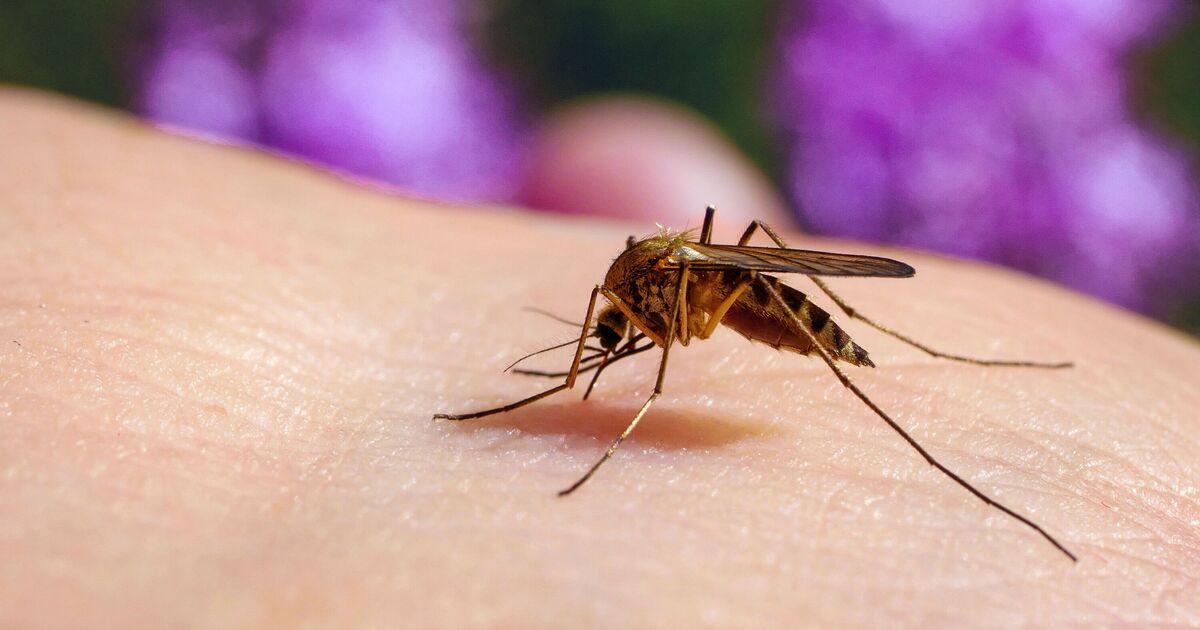
This case is under careful scrutiny as part of Spain’s comprehensive West Nile monitoring initiative, which keeps track of horses, wild birds, and mosquitoes to catch the virus in its preliminary stages. West Nile virus primarily spreads through mosquito bites. Mosquitoes become vectors after feeding on infected birds, potentially transmitting the virus to humans or other animals. Horses and birds are key “sentinel” species as they often display virus symptoms before human cases are observed. Spain has dealt with outbreaks previously. In 2020, there were 77 reported human cases, primarily in Andalucía and Extremadura. More recently, 2024 saw 138 confirmed cases nationwide, resulting in 15 fatalities.
So far this season, there have been no other detected cases in the Balearic Islands or mainland Spain. Health officials are advising people to take precautions against mosquito bites, especially during late summer when the risk is elevated.
Suggestions include using insect repellent, wearing long sleeves and pants in areas prone to mosquitoes, and reducing outdoor activities at dawn and dusk.
The World Health Organization states that about 80% of people infected with West Nile virus do not exhibit symptoms. Among those who do, most experience a mild illness named West Nile fever, characterized by fever, headache, fatigue, body aches, nausea, or rash.
In uncommon instances, the infection can result in severe neurological complications like encephalitis or meningitis. Around 1 in 150 infected individuals develop these more severe issues.
People over 50 and those with weakened immune systems are considered at higher risk of severe illness. There is currently no vaccine or specific treatment for West Nile virus. Patients who require hospital care are typically treated with intravenous fluids, respiratory support, and monitoring to prevent secondary infections.
Authorities in Menorca stress that this is a single confirmed animal case and that measures are already in place to monitor and reduce the risk of further spread.