
Share this @internewscast.com
An NHS general practitioner and surgeon, Dr. Karan Rajan, who has also penned the Sunday Times bestseller “This Book May Save Your Life,” has issued a crucial reminder about a widespread bathroom habit. He emphasized a “10-minute” guideline that everyone should adhere to, aiming to increase awareness about a practice that might be overlooked by many.
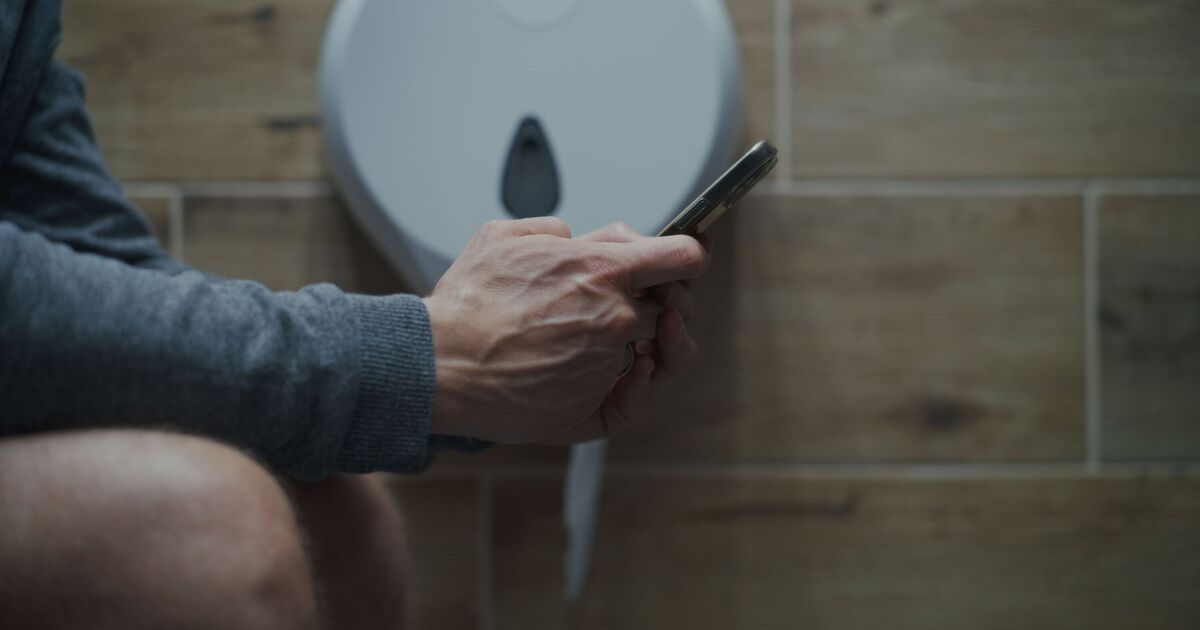
Dr. Rajan pointed out the potential dangers of spending excessive time on the toilet and straining too much. He noted that while it may seem normal or relaxing to sit there scrolling through your phone, such habits could inadvertently lead to health problems that might cause discomfort.
He cautioned that prolonged sitting on the toilet can elevate pressure on the rectum and buttocks. He emphasized that distractions aren’t limited to smartphones; tablets and newspapers can pose the same issue.
The doctor further explained that the design of the toilet seat itself can contribute to these problems. “The cut-out shape of the toilet seat allows your rectum to hang lower than the rest of your backside,” he noted.
Consequently, gravity causes blood to accumulate in the rectal veins. Dr. Rajan elaborated, “Gravity causes blood to pool, collect, and potentially clot in these veins. When combined with straining or pushing, this increases pressure, causing the veins to swell, which can lead to hemorrhoids, also known as piles.”
He described hemorrhoids as “essentially swollen blood vessels around the anal area,” which can cause pain, itching, and bleeding. According to the NHS, additional symptoms of this condition may include:
- bright red blood after you poo
- an itchy anus
- feeling like you still need to poo after going to the toilet
- mucus in your underwear or on toilet paper after wiping your bottom
- lumps around your anus
- pain around your anus
Noting his “take-home points”, the doctor concluded that you should only ever go to the toilet when you need to. You should also avoid straining and never spend longer than 10 minutes on the toilet.
It is essential to know when to seek medical advice for haemorrhoids (piles). Depending on the severity of your symptoms, you should take the following actions:
See a GP if:
-
Symptoms do not improve after 7 days of self-treatment
-
You keep getting piles (recurrent episodes)
-
You notice any unusual changes around your anus that are not normal for you
Request an urgent GP appointment or call NHS 111 if:
-
You have a very high temperature or feel generally unwell (feverish, hot, cold, or shivery)
-
There is pus leaking from your piles
Call 999 or go to A&E if:
-
You are bleeding non-stop or there is a significant amount of blood
-
The toilet water turns red or you see large blood clots
-
You are experiencing severe pain