
Share this @internewscast.com
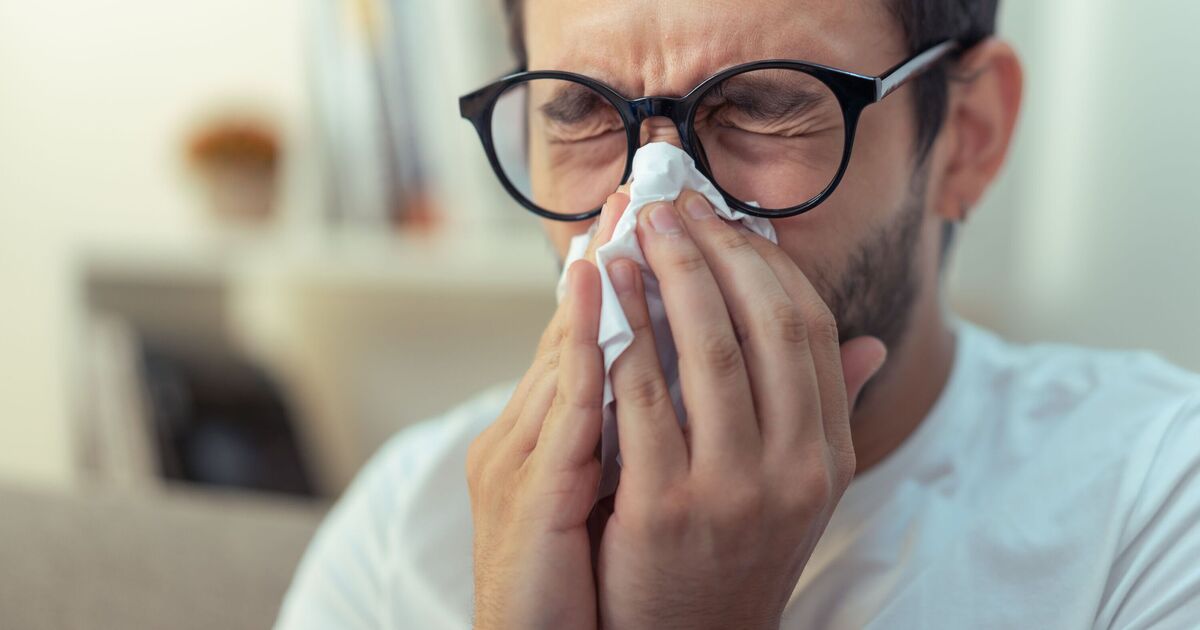
It seems as though almost everyone is experiencing symptoms like sniffing, coughing, or sneezing right now, which is supported by data. Covid cases are on the rise, influenza is making a resurgence, and the common cold is circulating widely.
Based on data from the UK Health Security Agency (UKHSA), rhinovirus—commonly known as the common cold—has seen an increase recently, and Covid cases are being driven by two new variants, though for most individuals, the infections are relatively mild. Meanwhile, flu cases have seen a rise in individuals aged 15 to 25 over the past week.
According to Prof Jonathan Ball from the Liverpool School of Tropical Medicine, several factors contribute to the current ideal conditions for the spread of respiratory infections.
One factor is that children have just returned to school, sharing new germs with peers they haven’t encountered in a while. The same applies to many adults who are back at work after their summer vacations.
Additionally, as the weather cools down, more people are spending time indoors where ventilation is limited. These combined factors create an environment conducive to the spread of respiratory viruses.
Prof Ball explained to the BBC that all these occurrences are typical for this time of year. “This is normal, it’s autumn after all,” he noted, adding that a “big mixing pot of viruses” is now circulating, which, coupled with waning immunity, leads to more people falling ill.
More than 100 different viruses cause respiratory tract infections and some bacterial infections. However, people react differently to them, and Prof Ball admitted it is not exactly clear why.
“Of course, age and fitness have a lot to do with it, but sometimes it is just your individual genetics or how tired and rundown you may be, or when you were last exposed to that particular virus,” he added.
Even though it may seem like everybody is ill, Dr Jamie Lopez Bernal, a consultant epidemiologist at UKHSA, said the current illness levels are not particularly high.
He confirmed flu and COVID-19 levels are “starting to slowly increase”, which is to be expected at this time of year, but urged eligible people to come forward for their winter vaccines.
If you do get sick, UKHSA recommends protecting others by washing your hands regularly, especially after coughing or sneezing, staying at home if you can and considering wearing a mask if you must go into public places.
Prof Ball added that getting infected isn’t necessarily a bad thing, because it can build up natural immunity for when you get older, so you may not be as severely impacted at a more vulnerable age. However, he said precautions should be taken to try to protect vulnerable people.