
Share this @internewscast.com
Christmas dinner is often a joyful affair, with tables brimming with delectable dishes, the glow of twinkling lights, and the lively sounds of family gatherings. However, for those who endure migraines, this festive scene can sometimes set the stage for an onset of this debilitating condition.
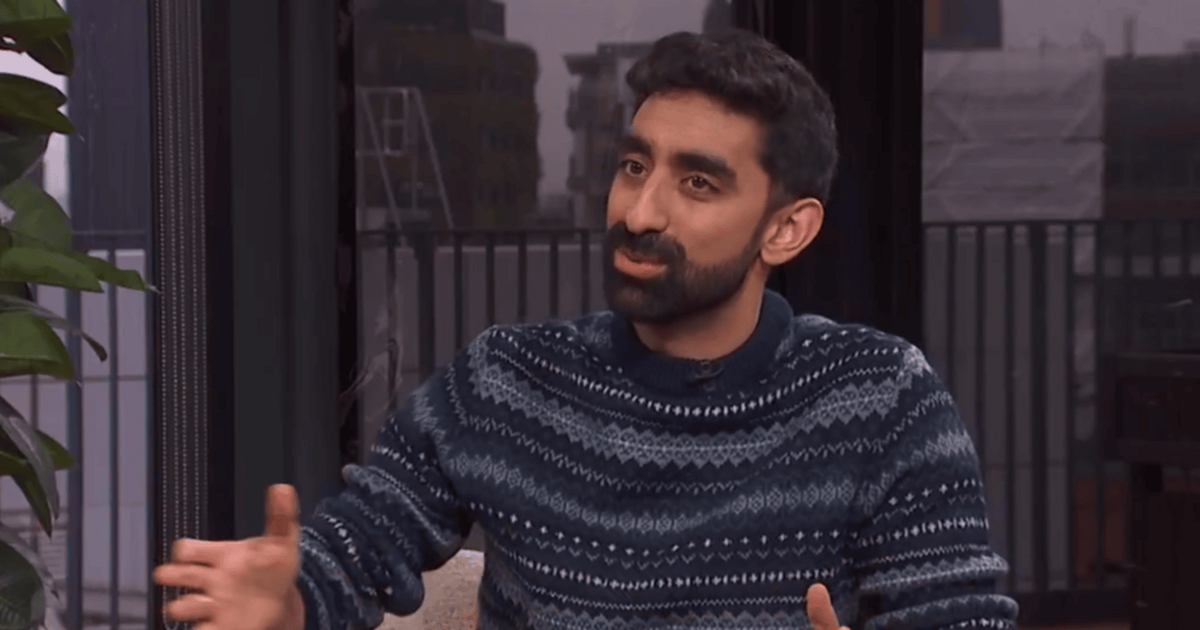
Dr. Kasim Ahmed, speaking on BBC Morning Live, revealed that he is one of the approximately 10 million individuals in the UK, or around one in six people, who suffer from migraines. He highlighted the widespread nature of this affliction by noting, “If you’re attending a family gathering, it’s likely that three or four people present are migraine sufferers.”
Dr. Ahmed shared that the triggers for migraines vary widely among individuals. For him, they include sleep deprivation, stress, and a lack of hydration. He emphasized the importance of staying hydrated, especially since alcohol, commonly consumed during the holidays, can cause dehydration if not balanced with adequate water intake. The holiday season, he noted, often brings together these triggers, making it a particularly challenging time for those prone to migraines.
The doctor advised migraine sufferers to remain vigilant about their specific triggers and be aware of their personal early warning signs, which can differ greatly from one person to another.
Among the common early signs of migraines, one of the most recognizable is what is known as an aura. This can manifest as visual disturbances, including seeing flashing lights, kaleidoscopic colors, zig-zag patterns, or experiencing blurred vision.
- Sight problems
- Difficulty speaking
- Excessive yawning
- Numbness or tingling
- Stiffness
- Difficulty concentrating
One of the most frequent and well-recognised signs is known as an aura. Visual auras might involve seeing flashing lights, kaleidoscope-style colours, zig-zag lines or blurred vision.
These auras generally last around 20 to 30 minutes and will appear 20 to 30 minutes before the migraine actually begins. Dr Kas advised: “If you know what your warning signs on, get on top of it early on. Things like paracetamol and ibuprofen, taking those responsibly and regularly. Making sure you’ve had something to eat at the same time.”
The GP suggested considering blackout eye masks with cold pack inserts to cool the area surrounding the eyes. Addressing the recent social media trend of placing your feet in hot water to draw blood away from the head, Dr Kas noted there’s “no evidence it actually works, but you can see how theoretically it might work”.
He continued: “Over the Christmas period I think it’s important to say if you are someone who suffers from migraines, you’ve got family who does, just think how to accommodate for them – speaking to people about their migraines, the symptoms they might be getting. But don’t be scared, if you need that space don’t be afraid to ask for it so you can really enjoy the festive period as best you can.”
Simple ways to help migraine sufferers during Christmas include dimming the lights and turning down the music, steering clear of strong fragrances, and setting up a quiet space away from the celebrations where they can retreat if necessary.
Dr Kas emphasised: “Migraines are not just headaches. They’re a clinical syndrome of what you get as a result of this brain overload that happens.
“There’s a whole sequence that builds up into a migraine, it can be days to hours beforehand. People who suffer from migraines will know what that feels like and they’ve had these trigger signs.”