
Share this @internewscast.com
For those who suffer from acid reflux, the discomfort can be relentless, manifesting as heartburn and indigestion. While over-the-counter treatments abound, relief can sometimes remain elusive. However, one doctor has shared a surprisingly simple remedy for this common ailment.
Dr. Ahmed, who has garnered nearly half a million followers on TikTok and is known for his candid, no-nonsense approach to health advice, recently posted a video that has captured attention, according to the Mirror. In his video, Dr. Ahmed addresses viewers: “Many of you have tried everything imaginable—chewing gum, sleeping on your side, even medications from your doctor—but stubborn acid reflux persists.”
He candidly points out, “The truth is, the root of the problem might be something you haven’t considered: constipation.”
Dr. Ahmed explains, “Even a moderate level of constipation can exacerbate acid reflux and make it resistant to treatment. It’s a matter of simple physics. If your abdomen is backed up, and you’re adding more to it, the pressure has to go somewhere.”
He continues, “With increased intra-abdominal pressure, lying down can cause contents to move upward, worsening the situation.”
The doctor highlights advice from gut health expert Dr. Karan Rajan, suggesting a straightforward solution: “Increase your fiber intake. That’s the key.”
“Thirty grams of fibre a day keeps, well, Doctor Karen Rajan away, and also will help with your constipation and your acid reflux.
“So there you go. That’s the secret remedy for acid reflux.”
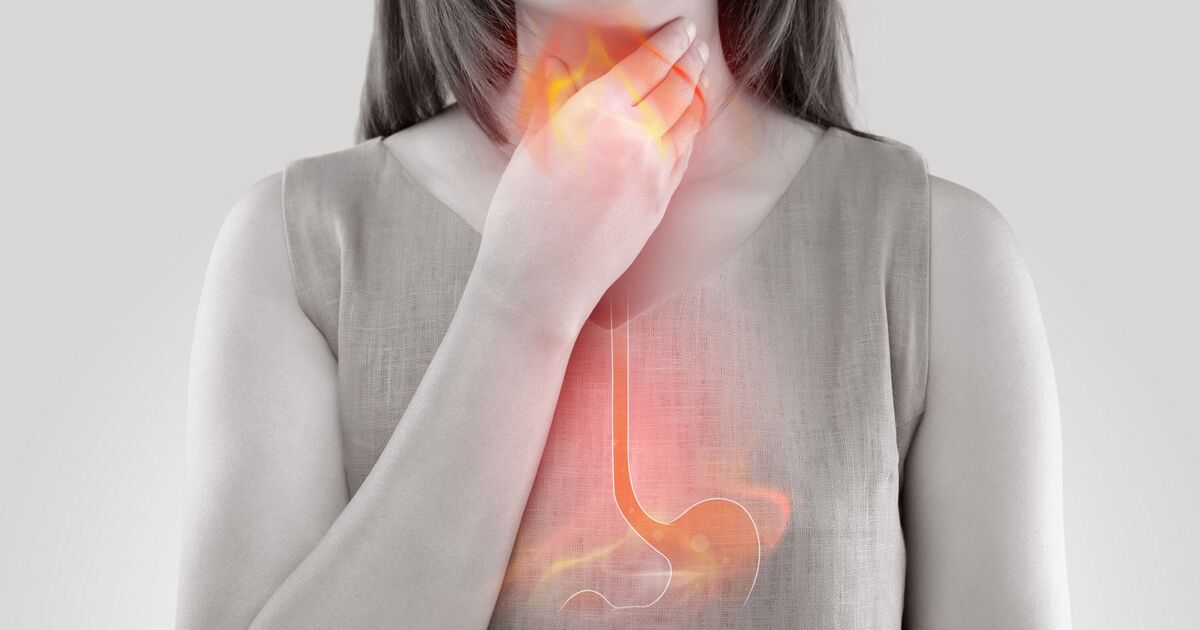
What is acid reflux?
According to the NHS, acid reflux occurs when stomach acid ascends towards the throat. The primary symptoms are heartburn – a burning sensation in the centre of your chest – and an unpleasant sour taste in your mouth.
It may also result in a persistent cough or hiccups, a raspy voice, bad breath, and bloating or nausea. Symptoms typically worsen after eating, when lying down, and when bending over.
Potential causes include:
- Some foods and drinks, including coffee, tomatoes, alcohol, chocolate, and fatty or spicy food
- Being overweight
- Smoking
- Pregnancy
- Stress and anxiety
- An increase in some types of hormones, such as progesterone and oestrogen
- Some medicines, including anti-inflammatory painkillers such as ibuprofen
- A hiatus hernia – when part of the stomach moves into the chest
- A stomach ulcer
- A bacterial infection in the stomach
It can be stopped or reduced by: