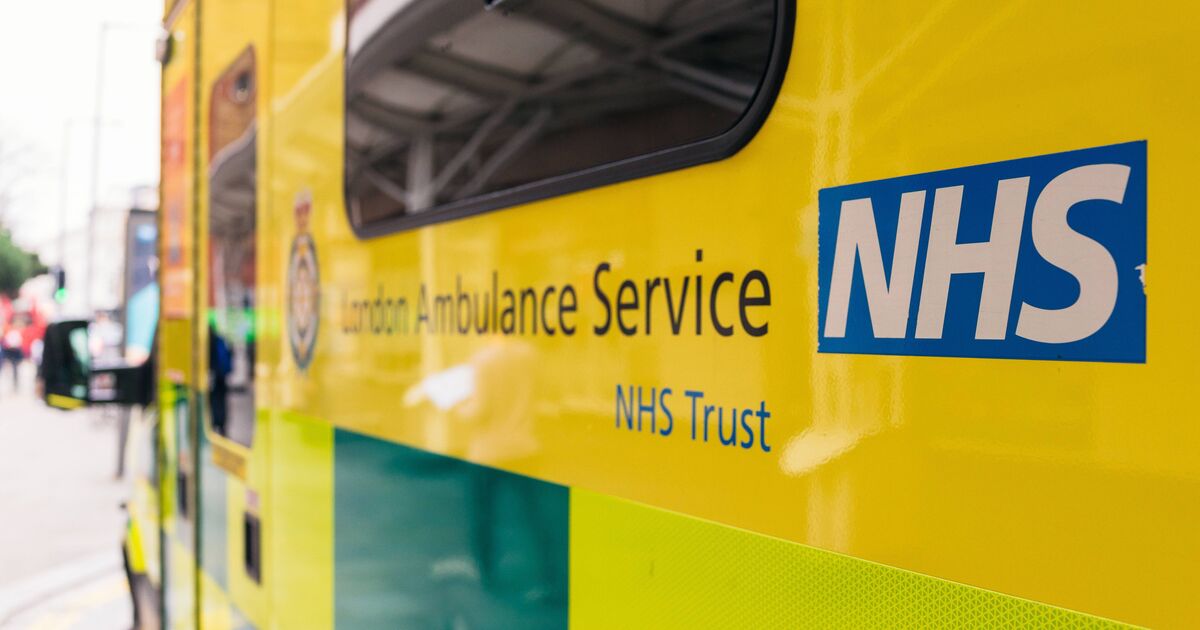

The NHS has sounded a nationwide alarm, urging the public to ‘stay at home’ as winter illnesses, notably the H3N2 variant, spread swiftly across Britain. In a recent social media alert, the health service also recommended that people ‘cover your nose and mouth’ and ‘avoid contact with others’ to mitigate the spread.
This year’s flu season has not only arrived earlier than expected but is also proving to be more severe. According to the latest figures from the UK Health Security Agency (UKHSA), flu activity has surged and is currently circulating at moderate levels.
The report highlights a rise in accident and emergency (A&E) visits due to flu-like symptoms, as reported by the Mirror. It noted, “The number of influenza-confirmed acute respiratory infection (ARI) incidents increased.”
Among the influenza viruses analyzed by the UKHSA Respiratory Virus Unit, the predominant strain is A(H3N2). This H3N2 variant is the leading flu strain circulating throughout Britain in the 2025/2026 flu season.
The UKHSA has identified a specific subtype of H3N2, known as subclade K, as the main cause of recent infections, which is adding significant strain on healthcare services.
To curb the spread of the flu and other respiratory illnesses, it’s crucial to use tissues to cover your mouth and nose when coughing or sneezing and consider wearing face masks.
They achieve this by blocking infectious particles, which safeguards both the mask wearer and those nearby, particularly when someone is unwell or in busy locations such as hospitals. Face coverings act as a protective barrier that prevents germs from spreading through the air when you cough, sneeze, or speak.
This makes them an invaluable resource for safeguarding public health during the flu season, according to guidance from the UKHSA.
Taking to X this morning (December 8), the NHS stated: “If you have flu, there are some things you can do to help get better more quickly. Flu will often get better on its own, but it can make some people seriously ill. It’s important to get the flu vaccine if you’re eligible. If you have flu, there are some things you can do to help get better more quickly.”
The health service then outlined the most effective methods for self-care, including: “Rest and sleep, keep warm, take paracetamol or ibuprofen to lower your temperature and treat aches and pains. Drink plenty of water to avoid dehydration.”
In a nationwide “reduce the spread” warning, the NHS also advised: “Cover your mouth and nose with a tissue when you cough or sneeze.” Another recommendation was to cleanse your hands thoroughly with warm water and soap.
The final appeal stated: “Try to stay at home and avoid contact with other people if you have a high temperature or you do not feel well enough to do your normal activities.”
Concluding the post, the NHS added: “A pharmacist can give treatment advice and recommend flu remedies. If you’re worried about your symptoms, or you’re not getting better, call 111 or get help from 111 online.”
What are the symptoms of flu?
Flu symptoms typically appear quickly, with the most common ones outlined below. While the symptoms are comparable in children, they may also experience ear discomfort and appear less energetic.
- a sudden high temperature
- an aching body
- feeling tired or exhausted
- a dry cough
- a sore throat
- a headache
- difficulty sleeping
- loss of appetite
- diarrhoea or tummy pain
- feeling sick and being sick
According to the NHS website: “Flu is very infectious and easily spread to other people. You’re more likely to give it to others in the first five days. Flu is spread by germs from coughs and sneezes, which can live on hands and surfaces for 24 hours.”
The flu vaccine helps protect against flu. It’s safe and effective. It’s offered on the NHS every year in autumn or early winter to some adults and children at higher risk of getting seriously ill from flu.