Share this @internewscast.com
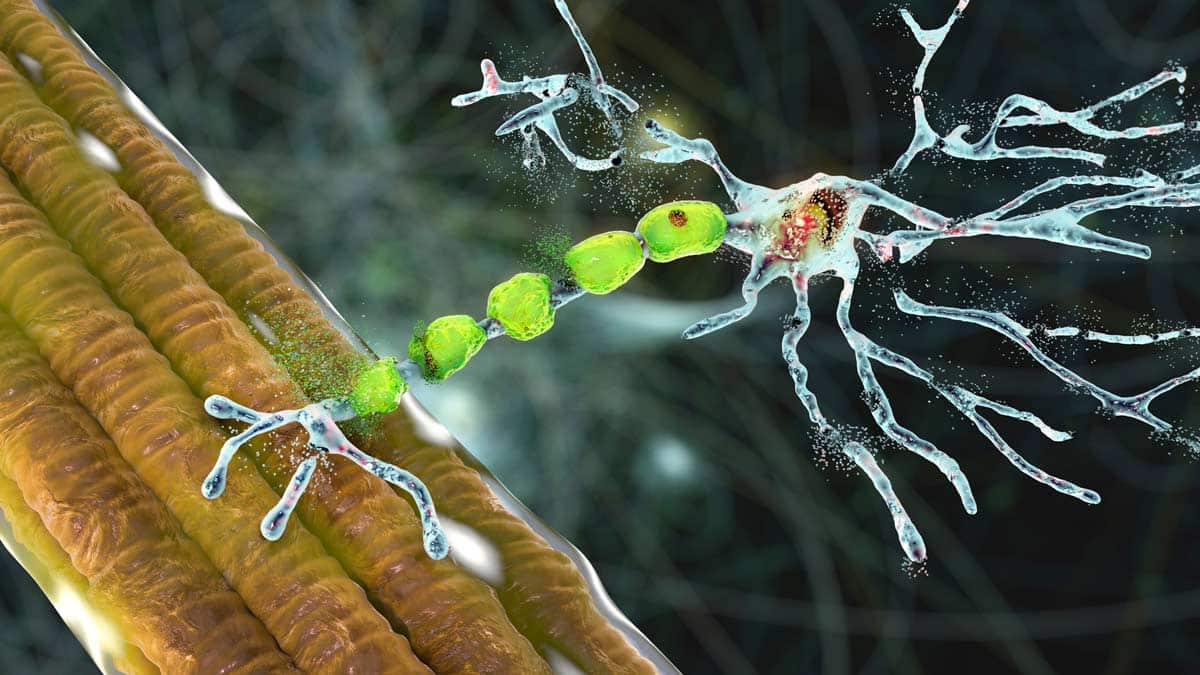
A Beacon of Light for Those Affected by the Silent Battle Of MND Motor Neuron Disease
Motor Neuron Disease (MND), a progressive and debilitating neurodegenerative disorder, continues to cast a long shadow over the lives of those affected. Amyotrophic Lateral Sclerosis (ALS), in some regions, MND leads to severe disability and, ultimately, respiratory failure. However, amidst the challenges posed by MND, a ray of hope is emerging through the groundbreaking advancements in regenerative medicine.
Understanding Motor Neuron Disease
MND primarily affects motor neurons, the nerve cells throughout the body. As these neurons degenerate, the muscles weaken and waste away, resulting in symptoms such as muscle twitching, difficulty speaking and swallowing, and eventual paralysis. Generally, MND is believed to be caused by environmental, lifestyle, and genetic factors. Most people experience the onset of symptoms after age 40; MND is most common in people between 50 and 70 years.
The Role Of Regenerative Medicine
“Regenerative medicine, a rapidly evolving field that harnesses the body’s healing mechanisms, offers novel approaches to treating MND. Unlike traditional treatments that aim to manage symptoms and cells, providing new hope for those battling this relentless disease.” Says Dr Pradeep Mahajan.
- Stem Cell Therapy: One of the promising avenues within regenerative medicine is stem cell therapy, which can replace damaged motor neurons and promote tissue regeneration. Researchers are exploring the transplantation of stem cells into affected areas to replenish lost neurons and restore motor function. Early clinical trials have shown encouraging results, providing a glimmer of optimism for patients and their families.
- Gene Therapy: Another groundbreaking approach involves gene therapy, where scientists work to correct or replace faulty genes associated with MND. By addressing the genetic underpinnings of the disease, gene therapy aims to halt or slow down the progression of MND. This avenue holds immense promise for individuals with familial forms of MND, where a genetic mutation is a known contributing factor.
Challenges And Ethical Considerations
While strides in regenerative medicine are promising, challenges and ethical considerations persist. The complexity of the human nervous system poses unique hurdles, and extensive research is needed. Additionally, ethical considerations surrounding the use of stem cells and genetic modification necessitate careful navigation to balance scientific progress and ethical standards.
Conclusion
The quest for a cure for Motor Neuron Disease has entered a new era, fueled by the potential of regenerative medicine as a beacon of hope, offering a glimmer of possibility for individuals facing the daunting challenges of MND. As research progresses and clinical trials expand, the collective efforts of scientists, healthcare professionals, and advocates may one day lead to a transformative breakthrough, bringing relief to those affected by this devastating disease. In the meantime, the journey toward a cure continues, guided by the unwavering commitment to improving the lives of individuals impacted by Motor Neuron Disease.