Share this @internewscast.com
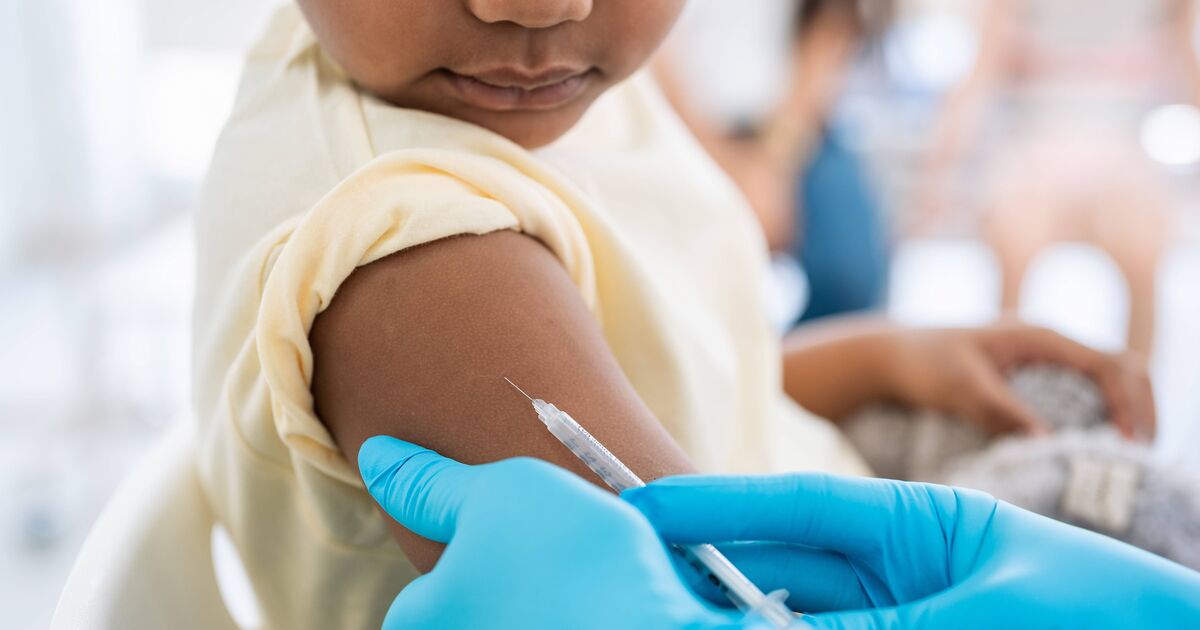
Parents are being urged to conduct an important health check on their children’s vaccination status, as highlighted by the UK Health Security Agency (UKHSA). The agency has issued a warning emphasizing the role of vaccinations in preventing severe illnesses among the youth.
In a message shared on the social media platform X, the government agency stated, “Diseases like measles and whooping cough can pose serious health risks. Vaccinating your child helps safeguard them and others. To see if they’re missing any vaccinations, consult their red book or contact your GP practice.”
The UKHSA is not alone in this advisory. The NHS also underscores the critical need for timely vaccinations to ensure optimal protection. If a vaccination appointment has been missed, arranging a catch-up session is simple by reaching out to your GP surgery.
The NHS further advises, “Misinformation about vaccines can commonly circulate online and offline. Always seek vaccine and health guidance from credible sources, such as the NHS or the World Health Organization (WHO).”
“Vaccine-related information found on social media might lack scientific credibility and potentially endanger your child’s health. Current evidence strongly supports that getting vaccinated is safer than not,” the NHS adds.
When should children be vaccinated?
The health service provides a detailed outline of the standard vaccination schedule for children, ensuring parents are well-informed about necessary immunizations.
- MMRV vaccine (1st dose for children born on or after 1 January 2025)
- MenB vaccine (3rd dose)
- Pneumococcal vaccine (2nd dose)
One year and 6 months (18 months)
- Children’s flu vaccine (every year until children finish Year 11 of secondary school)
Three years and four months
MMRV vaccine (1st or 2nd dose for children born between 1 September 2022 and 31 December 2024)
- Td/IPV vaccine (3-in-1 teenage booster)
- MenACWY vaccine
Some vulnerable groups may also qualify for additional vaccines through the NHS for enhanced protection. This might include children with weakened immune systems or those with chronic health conditions.
For additional information regarding immunisations for young people, visit the NHS website.