
Share this @internewscast.com
Health chiefs have sounded the alarm and urged Britons to stay indoors after a new Covid strain, dubbed ‘Nimbus’, has been identified in the UK – and added that countries where it is ‘prevalent’ are seeing soaring hospitalisations.
The UK Health Security Agency (UKHSA) said the NB.1.8.1 variant is now being monitored by the World Health Organisation due to rising hospitalisations in countries where it’s prevalent.
And officials have said if people do have respiratory illness symptoms they should ‘stay at home’ and if they do have to go out, suggest waring a mask to avoid infecting others.
In an update, Dr Gayatri Amirthalingam, Deputy Director at UKHSA, warned in a blog post: “NB.1.8.1 has been detected in small numbers in the UK to date, but international data suggests that it is growing as a proportion of all Covid-19 cases.”
Despite the concern, Dr Amirthalingam offered some reassurance, stating: “Based on the available information so far however, there is no evidence to suggest that this variant causes more severe disease than previous variants, or that the vaccines in current use will be less effective against it.”
The UKHSA has confirmed the presence of the ‘Nimbus’ variant in the UK, noting that while it remains rare, its growth rate is outpacing other Covid-19 cases globally. Although there is an uptick in cases and hospital admissions in areas hit by NB.1.8.1, experts have yet to conclude that it results in more serious health outcomes compared to other strains.
The most crucial step is to get vaccinated when eligible, as viruses naturally mutate over time. As more information about this variant becomes available, understanding how it interacts with immune systems and how to enhance protection, as well as ways to safeguard the most vulnerable and live normally, will improve.
Due to the rise of the Nimbus variant, UKHSA has issued guidance on what to do if you contract it, including wearing a mask when going out. The advice states: “If you have symptoms of a respiratory infection, such as COVID-19, and you have a high temperature or do not feel well enough to go to work or carry out normal activities, you should avoid contact with vulnerable people and stay at home if possible.”
UKHSA recommends that if you leave home while experiencing symptoms of a respiratory infection with a high temperature or feeling unwell, you should “avoid close contact with anyone who you know is at higher risk of becoming seriously unwell, especially those whose immune system means that they are at higher risk of serious illness, despite vaccination.”
UKHSA advice on reducing chance of passing on infection to others:
- Wear a well-fitting face covering made with multiple layers or a surgical face mask
- Avoid crowded places such as public transport, large social gatherings, or anywhere that is enclosed or poorly ventilated
- Taking any exercise outdoors in places where you will not have close contact with other people
- Covering your mouth and nose when you cough or sneeze; wash your hands frequently with soap and water for 20 seconds or use hand sanitiser after coughing, sneezing and blowing your nose and before you eat or handle food; avoid touching your face.
For more informmation and advice click here.
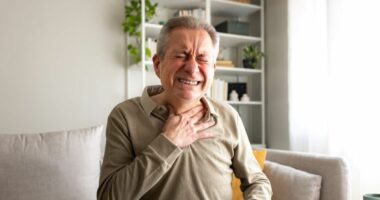
Symptoms include:
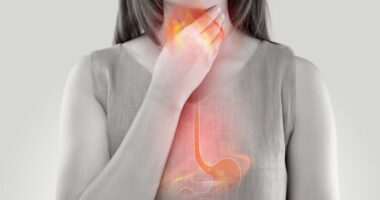
- severe sore throat
- fatigue
- mild cough
- fever
- muscle aches
- congestion