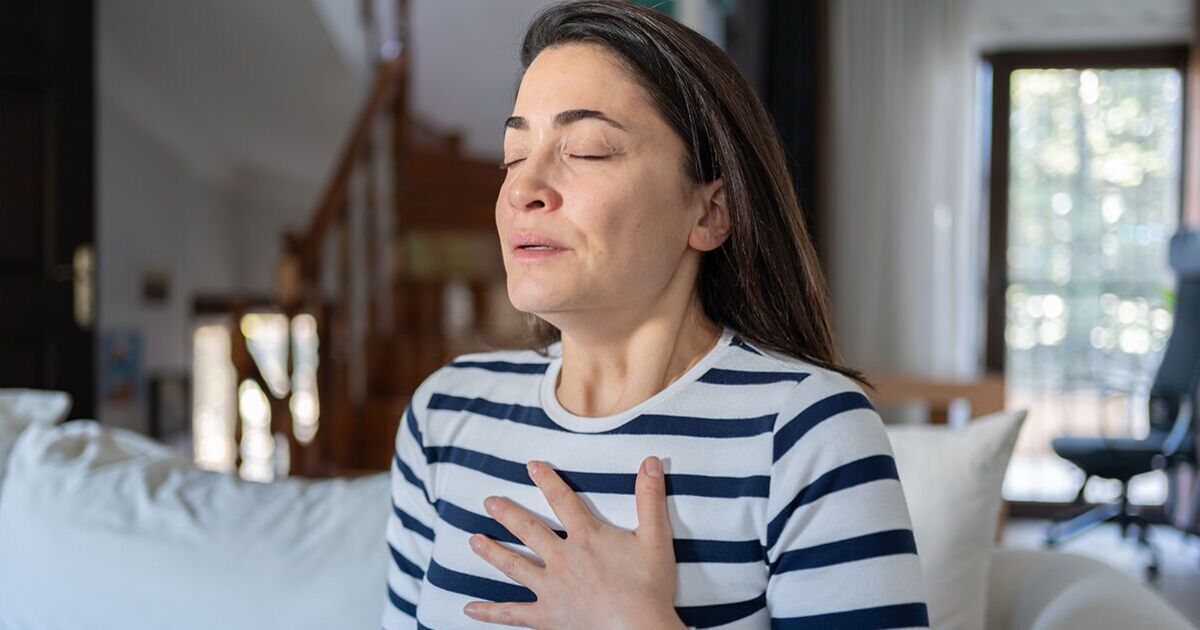

People with one of more than 20 breathing conditions could be eligible for up to £749 a month from the Department for Work and Pensions (DWP). If you have one of these respiratory issues that affects your daily life you could be entitled to Personal Independence Payments (PIP).
The latest figures from the DWP show that at the end of January, some 137,957 people were receiving PIP to help with a respiratory condition. That figure also includes 1,251 people living in Scotland whose existing PIP claim has still to be transferred to Adult Disability Payment (ADP).
These conditions include severe asthma, disease of the upper respiratory tract, Chronic Obstructive Pulmonary Disease (COPD), and asbestosis, among others. As reported by the Daily Record, a successful claim for PIP or ADP is worth between £29.20 and £187.45 each week in additional financial support.
As the benefit is paid every four weeks, this amounts to between £116.80 and £749.80 every pay period.
The latest figures from Asthma and Living UK show that there are now 5.4 million people across the UK receiving treatment for asthma, including 68,000 people living in Scotland, the equivalent of one in 14.
The statistics from the charity also show that approximately 160,000 people across the country are diagnosed with asthma every year and that roughly 250,000 adults and children are living with severe asthma.
Respiratory conditions eligible for PIP:
- Diseases of the upper respiratory tract including sleep apnoea – obstructive
- Chronic obstructive pulmonary disease (COPD)
- Chronic bronchitis
- Emphysema
- Bronchiectasis
- Cystic Fibrosis
- Asthma
- Pulmonary fibrosis including extrinsic allergic alveolitis, and fibrosing alveolitis
- Pneumoconiosis incluing asbestosis, pneumoconiosis – coal workers, and silicosis
- Granulomatous lung disease and pulmonary infiltration
- Sarcoidosis
- Disease of the pleura including empyema, pleural effusion, pneumothorax, and lung transplantation
- Heart and lung transplantation
- Pulmonary embolus
- Pneumonia
- Lower respiratory tract – other diseases of/type not known
The most important thing to understand about the PIP claims process is that awards are based on how your condition, long-term illness or disability affects you, not the actual condition itself. The DWP makes this distinction clear in the current edition of the online PIP Handbook.
The guidance on GOV.UK explains: “As the assessment principles consider the impact of a claimant’s condition on their ability to live independently and not the condition itself, claimants with the same condition may get different outcomes. The outcome is based on an independent assessment and all available evidence.”
Eligibility
To be eligible for PIP or ADP, you must have a health condition or disability where you:
- Have had difficulties with daily living or getting around (or both) for three months
- Expect these difficulties to continue for at least nine months.
You usually need to have lived in the UK for at least two of the last three years and be in the country when you apply.
In addition to what we have outlined above if you get or need help with any of the following because of your condition, you should consider applying for PIP or ADP:
- Eating, drinking or preparing food
- Washing, bathing, using the toilet, managing incontinence
- Dressing and undressing
- Talking, listening, reading and understanding
- Managing your medicines or treatments
- Making decisions about money
- Mixing with other people
- Working out a route and following it
- Physically moving around
- Leaving your home
There are different rules if you are terminally ill. You will find these on the GOV.UK website here.
You can make a new claim by contacting the DWP, and you should find all the information you need to apply on the GOV.UK website here.