
Share this @internewscast.com
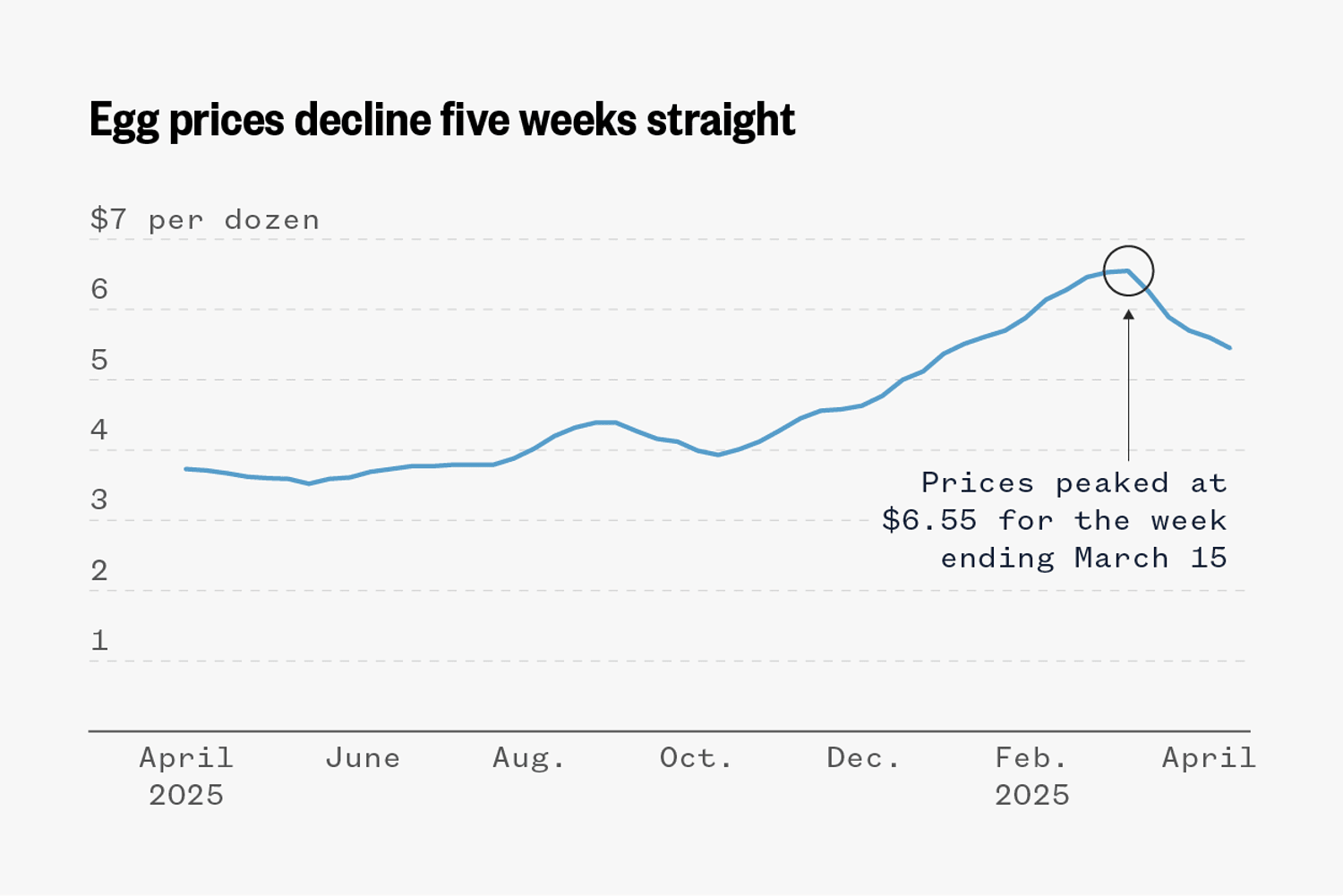
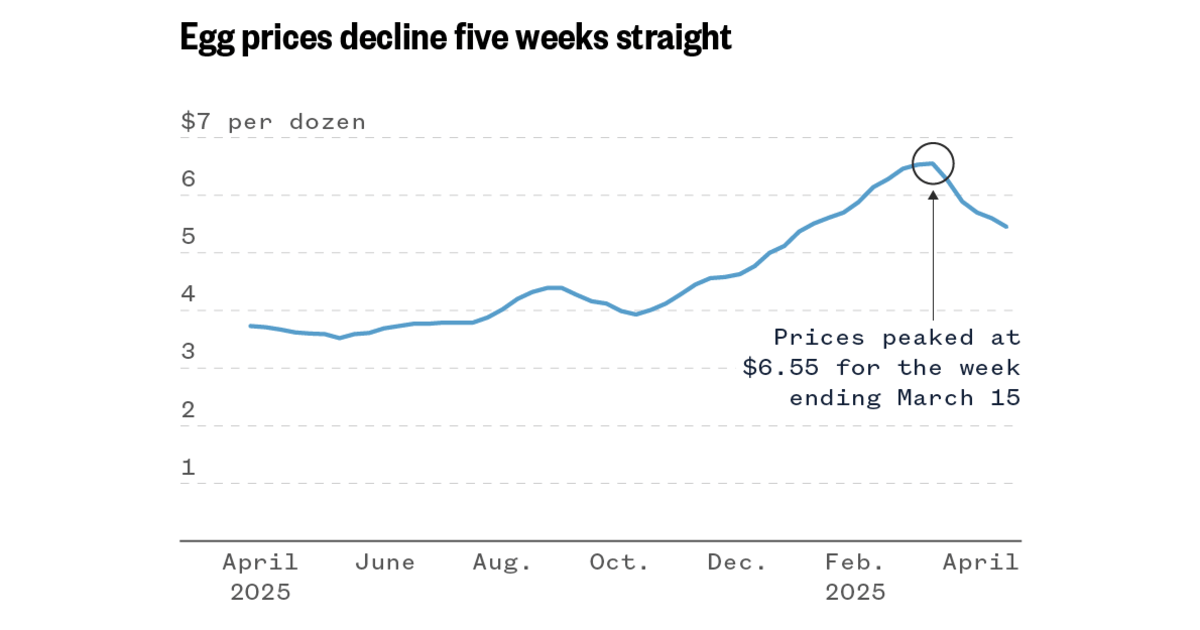
The rise in prices has adjusted shoppers’ expectations, with many gradually accepting the significantly higher costs, albeit reluctantly. According to the market research firm Numerator, the average price consumers are willing to pay for a dozen eggs reached $5.56 last month, a noticeable increase from $4.90 in January.
Researchers observed that this heightened willingness to pay suggests consumers are becoming accustomed to elevated egg prices, either consciously or subconsciously.
And it isn’t just eggs: Many shoppers are bracing to pay more for groceries overall as they shift focus toward covering essentials.
According to a late April survey by the consulting firm KPMG, many people plan to cut their spending this summer on items such as clothing, furniture, and travel. Groceries were one of the only two categories where shoppers anticipated an increase in spending.
“Tariffs have gone from background noise to front and center for consumers — and their grocery receipts show it,” Heather Rice, consumer and retail tax leader at KPMG, said in a statement with the results. “Shoppers are more price-sensitive than ever, and many are connecting rising costs directly to tariffs.”
Consumer sentiment recently hit a 12-year low in a closely watched Conference Board survey as more households anticipate inflation climbing this year. The annual pace of consumer price increases clocked in at 2.4% in March, down from 2.8% the prior month, but that was before President Donald Trump vastly expanded his global trade war in April.
Many shoppers have already raced to scoop up foreign-made goods, including big-ticket purchases like cars and trucks, to get ahead of import taxes on a broad range of products.
The White House touted progress toward a new trade deal with the U.K. on Thursday, and Trump has repeatedly asserted that “almost all costs,” including eggs and other groceries, have fallen on his watch. But despite revisions, walk-backs and delays to various parts of his trade agenda, the president’s tariffs have already made many products more expensive than they were earlier this year.
Both the NIQ and federal inflation data show ongoing price increases for a range of common purchases. Corporate executives caution that tremendous uncertainty remains over how Trump’s evolving policies will shake out across the consumer economy, and some are already warning of potential price hikes this year.
In the meantime, many sticker prices in supermarkets’ refrigerated aisles are ticking up, rising 2% for chicken breasts and 1% for ground beef in the latest NIQ data since four weeks earlier. Year over year, beef costs nearly 10% more and egg prices nearly 50% more.
But not everything has gotten more expensive. Among the staples surveyed, bacon and orange juice prices have declined.
The prices of many meat and dairy products could continue to swing depending on the course of Trump’s trade war.
The United States is a major pork producer, for example, and exports about a fifth of that meat overseas, noted Michael Swanson, chief agricultural economist at the Wells Fargo Agri-Food Institute. About 15% of both U.S. chicken and dairy are typically also shipped abroad — a situation other nations’ retaliatory tariffs now threaten.
“If those three [product categories] couldn’t find those export markets because of tariff actions and people simply weren’t buying them, that would force the U.S. to keep that product home,” Swanson said, which would likely mean lower prices for shoppers domestically.
That would be welcome news for consumers but not for farmers. Agricultural exporters are already raising alarms of a “full-blown crisis” as foreign buyers pull back on purchases. Chinese importers recently halted delivery of 12,000 tons of American pork, the biggest such cancellation since 2020.
For now, Swanson said, “there’s actually more risk of deflation in some categories than inflation in the overall food package, if we have extended trade disputes.”
That remains a big “if,” though, as the Trump administration angles for a trade deal with Beijing while publicly signaling a hard line on talks. Until any truce is brokered, China still faces an effective U.S. tariff rate of 145% and has hit back with its own duties of up to 125%.
When it comes to agricultural goods, Swanson noted, “the Chinese do have the ability to pressure us, because they actually buy more from us than we buy from them.”